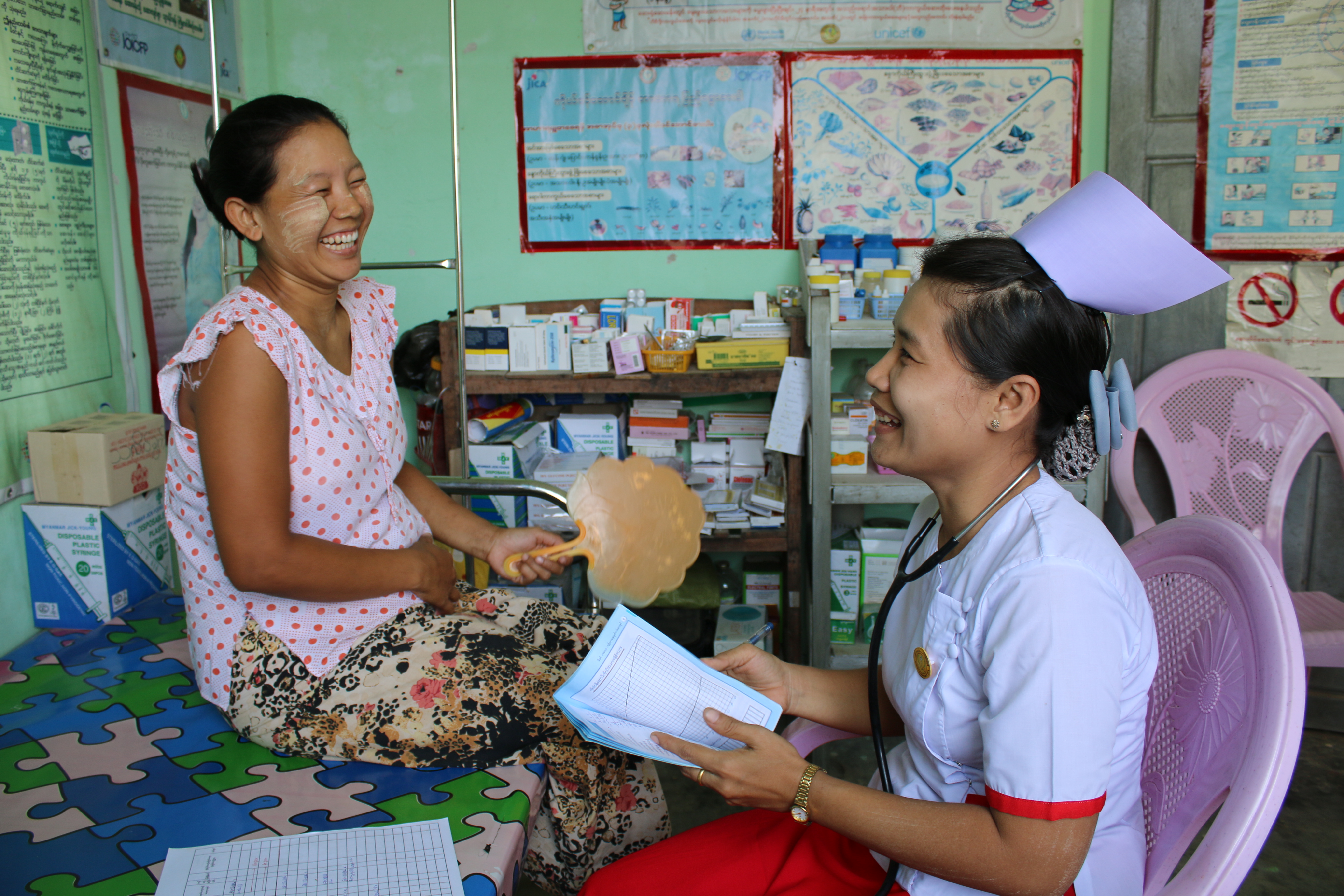


October 9, 2026 (Bangkok) — When an adolescent cannot afford contraception, is denied confidential care or fears being judged by a health worker, the consequences can shape the rest of their life. Preventable illness and unintended pregnancy can interrupt education, limit opportunities and deepen inequality.
A new report launched by UNFPA, the United Nations Population Fund, calls on governments to close the gap between commitments to adolescent health and the care young people can actually access.
650 Million Reasons: Achieving Universal Health Coverage for Adolescent Sexual and Reproductive Health in Asia and the Pacific examines policies, laws and health data across 30 low- and middle-income countries. Developed with the Burnet Institute, the review finds that despite widespread policy commitments, services remain fragmented and underfunded, leaving many adolescents without essential information, protection and care.
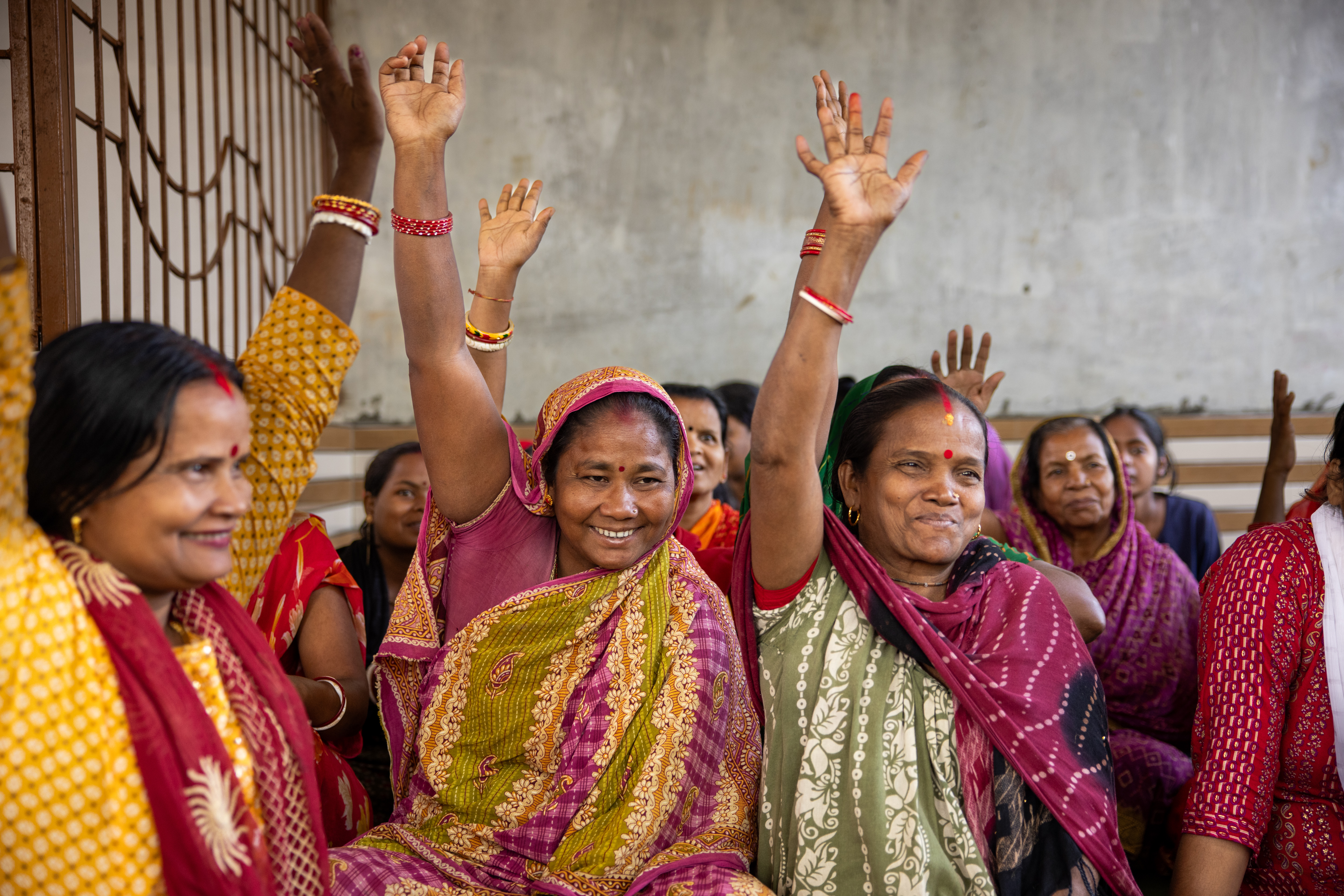
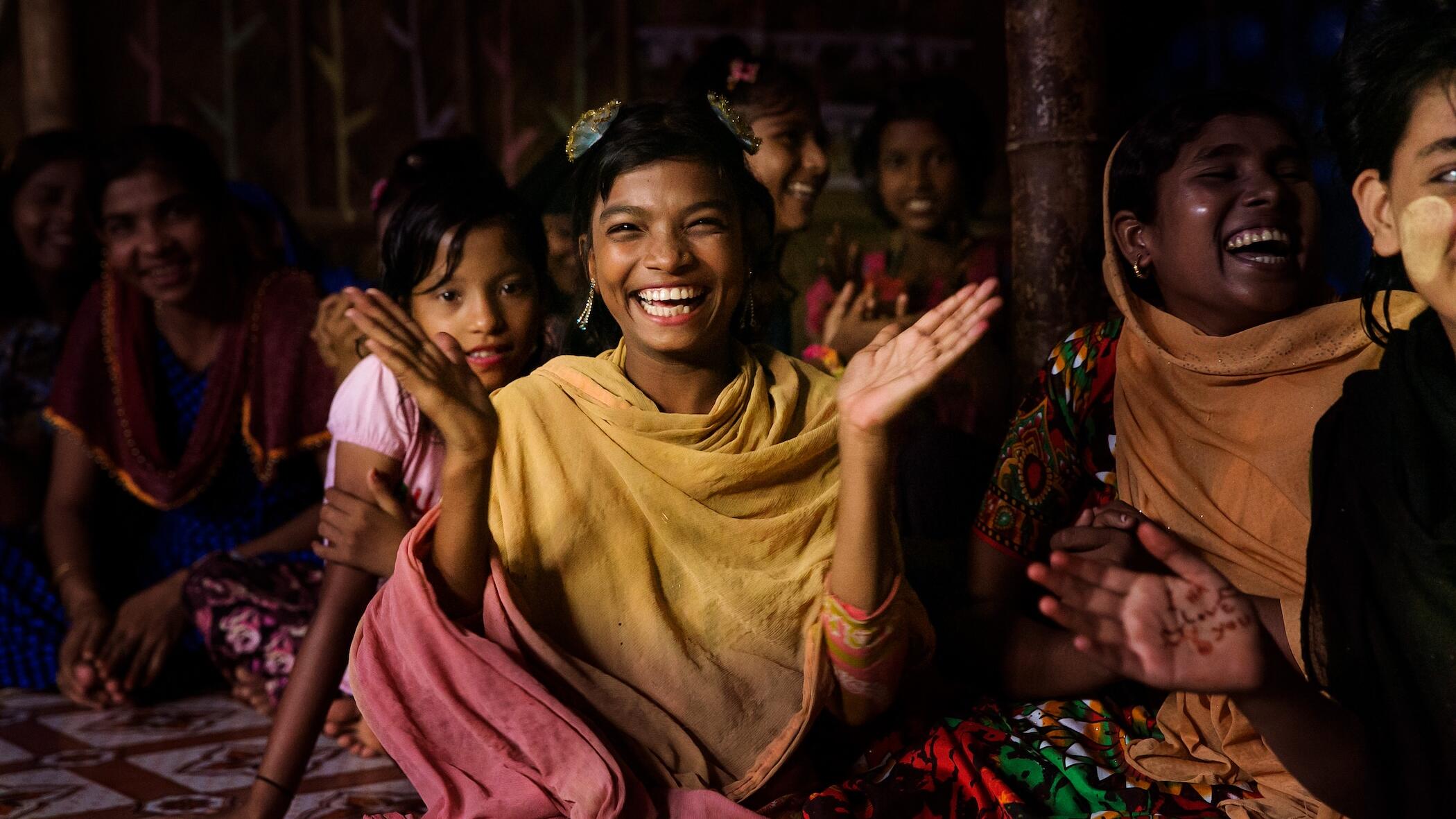
Asia and the Pacific is home to nearly 650 million adolescents aged 10–19, almost half the world’s total. Meeting their needs is essential to achieving universal health coverage: ensuring everyone can obtain quality health services without financial hardship.
“For an adolescent who cannot afford care or is turned away because of their age or marital status, a policy commitment offers little protection,” said Pio Smith, UNFPA Regional Director for Asia and the Pacific. “Governments must turn those commitments into services young people can access, afford and trust. Investing in their health protects their choices, their education and their futures.”
The report identifies a strong foundation for action: most countries recognize adolescents in national health policies and have standards for services tailored to their needs. Yet contradictory laws, insufficient financing and uneven implementation undermine these commitments.
The findings reveal overlapping financial and legal barriers to care. In countries with available data, up to 65 per cent of adolescent girls report financial difficulties accessing health care. An average three-year gap separates the legal age of consent to sex from the legal age of consent to health care, while only nine of the 30 countries provide clear guidance on accessing contraception without parental consent. In most countries, fewer than half of sexually-active adolescent girls who need family planning are able to use contraception.
Beyond laws and costs, adolescents describe judgmental treatment, discrimination and concerns about privacy. Even when services are free, transport costs, informal fees and uncertainty about their entitlements can prevent young people from seeking help.
The report sets out seven priorities for reform, including placing adolescent sexual and reproductive health at the centre of national health coverage plans, securing sustainable financing and improving the quality and reach of services. It also calls for reviewing discriminatory restrictions, clarifying consent rules, strengthening health information and community support, and involving adolescents in decisions about their care.
UNFPA urges governments, development partners and civil society to translate these recommendations into funded action, with particular attention to adolescents who are out of school, displaced, living in poverty or otherwise excluded from services.
Universal health coverage will remain an unfinished promise until adolescents can access the care they need.
Note to Editors
The review combines a literature review, mapping of national policies and legislation, and analysis of existing national data. It was commissioned by UNFPA Asia and the Pacific and conducted by the Burnet Institute, with secondary data analysis by the Murdoch Children’s Research Institute. Funding was provided by the Gates Foundation through the Catalytic Leadership Investment grant.
Download the report: https://unf.pa/4i9sYf4
Media enquiries: Katie Elles, Regional Communications Advisor, UNFPA Asia-Pacific Regional Office, Bangkok: elles@unfpa.org