

1. What is Obstetric Fistula and its Consequences
Obstetric fistula is a hole that develops between the birth canal and the bladder and/or rectum. It is caused by prolonged, obstructed labour without access to timely, high-quality medical treatment, such as a caesarean section. The lack of emergency intervention results in tissue damage, leaving the mother with chronic suffering, and tragically, approximately 90 per cent of fistula cases result in a stillborn baby.
For survivors, the consequences are devastating and lifelong, making Obstetric Fistula a human rights issue, in addition to a health one.
Consequences of Obstetric Fistula include:
- Physical: Chronic incontinence, frequent infections, kidney disease, painful sores, and infertility. Physical suffering is often accompanied by other morbidities, including severe depression, sexual dysfunction, obstetric palsy and ammoniacal (urine) dermatitis.
- Socioeconomic: The stigma associated with the injury often leads to social isolation, abandonment by family, profound psychological harm, and deep poverty, as women are often unable to work and are ostracized by their communities.
In addition to Obstetric Fistula, in this region we are also seeing a concerning rise in the number of Iatrogenic Fistula cases. Iatrogenic Fistula is a consequence of complications arising from poor quality surgical care and medical interventions, particularly poor quality caesarean sections.
With the rise in deliveries performed via caesarean sections in this region, poorly-performed surgeries are increasingly becoming an important driver of iatrogenic fistula cases. This increase points directly to deficiencies in the quality and safety of obstetric care and highlights the urgent need for expanded access to safe surgical care.
2. Asia-Pacific's Holistic Fistula Strategy: Prevention, Repair, and Reintegration
UNFPA’s Strategy to End Obstetric Fistula in Asia and the Pacific region is focused on investing in long-term, holistic solutions and strengthening national capacity. You can learn more on UNFPA’s OF campaign page.
UNFPA’s Impact Highlights:
- Repair & Reintegration: To date, UNFPA has supported 140,000 fistula repair surgeries globally over the past two decades. Your support ensures we continue to fund these life-changing operations. For approximately USD 600, you can fund a single reconstructive surgery that completely transforms a woman’s life and restores her dignity.
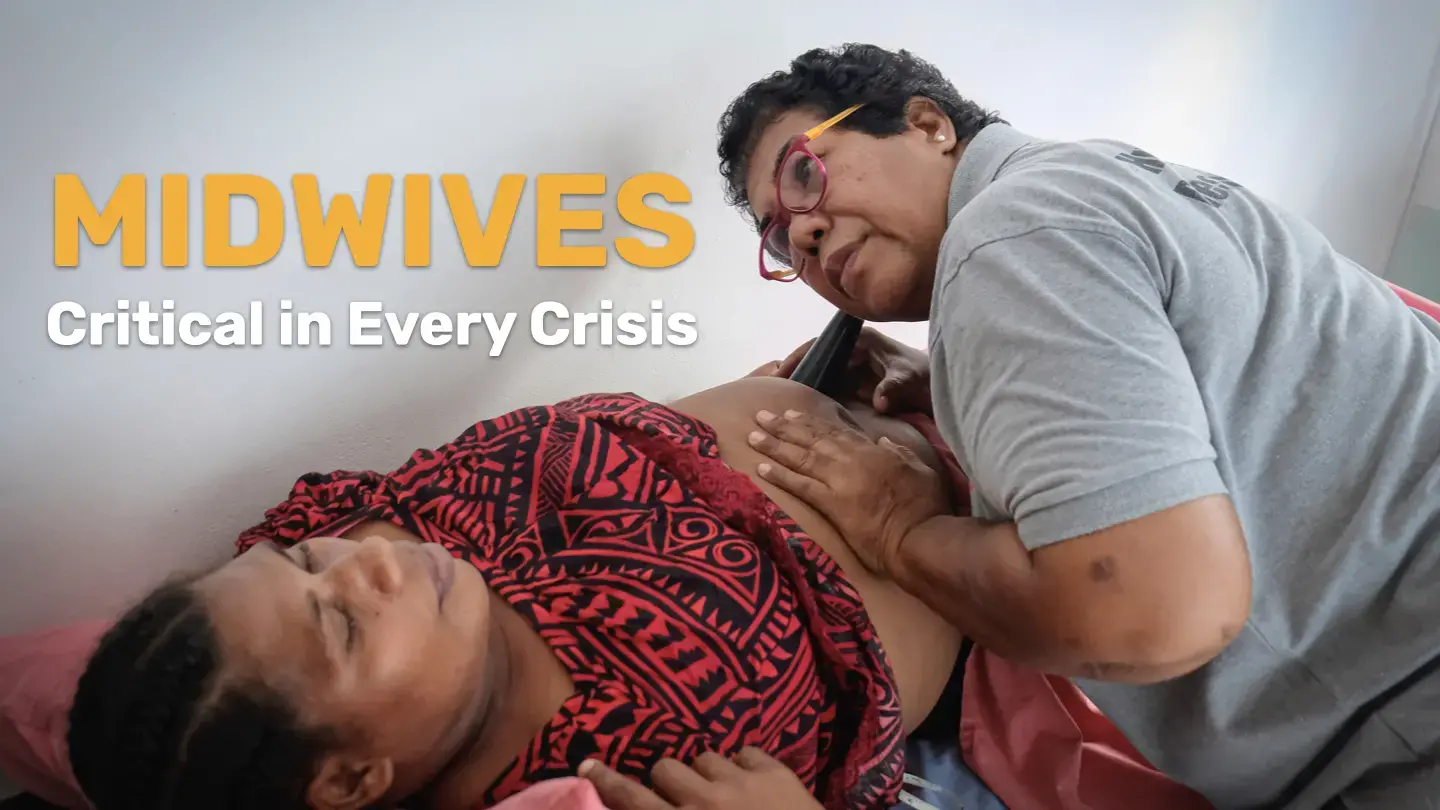
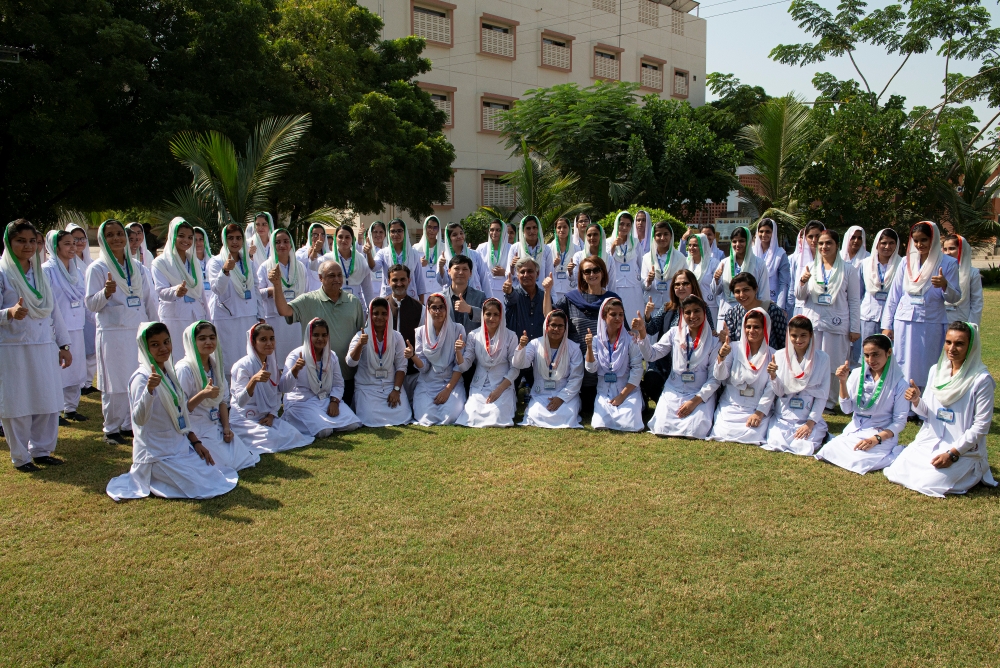
- Prevention is Key: We strengthen health systems by training key personnel, such as midwives, to ensure skilled birth care and quality emergency obstetric and newborn care (EmONC) services are available, especially in remote communities across the Asia-Pacific.
Targeted Country Action: We develop in-depth, country-specific strategies to address the structural barriers, such as poverty and child marriage, that fuel fistula. You can see this data-driven approach in our country briefs on Nepal, Pakistan, Afghanistan, and Bangladesh.
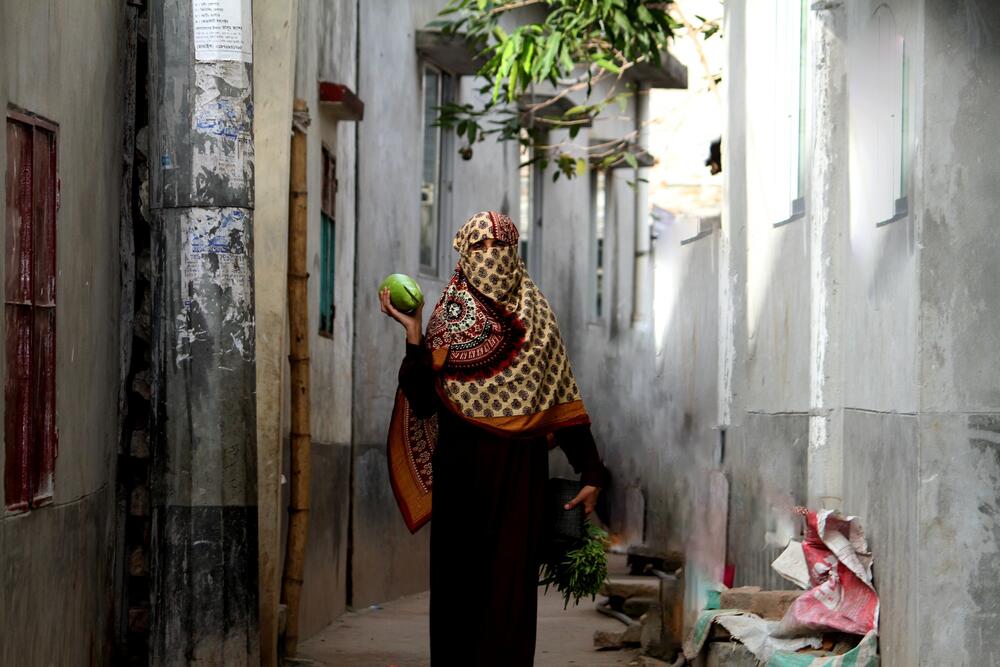
Pakistan: Building National Capacity and Expertise
The Koohi Goth Hospital (KGH) Centre in Pakistan is a critical and strategic health system partner, treating over 1,100 fistula cases annually with surgical and psychosocial care. UNFPA in Asia and the Pacific designated KGH as a regional training centre of excellence for fistula repairs and prevention, fostering regional learning and South-South Collaboration. Targeted funding is essential to strengthen operational systems, including robust patient data tracking and expanded community outreach for early case detection. Securing multi-sectoral partnerships can also ensure that vulnerable women in Pakistan and beyond can access the free, life-changing treatment available at this high-impact facility.
Nepal: Scaling Regional Excellence in Fistula Treatment
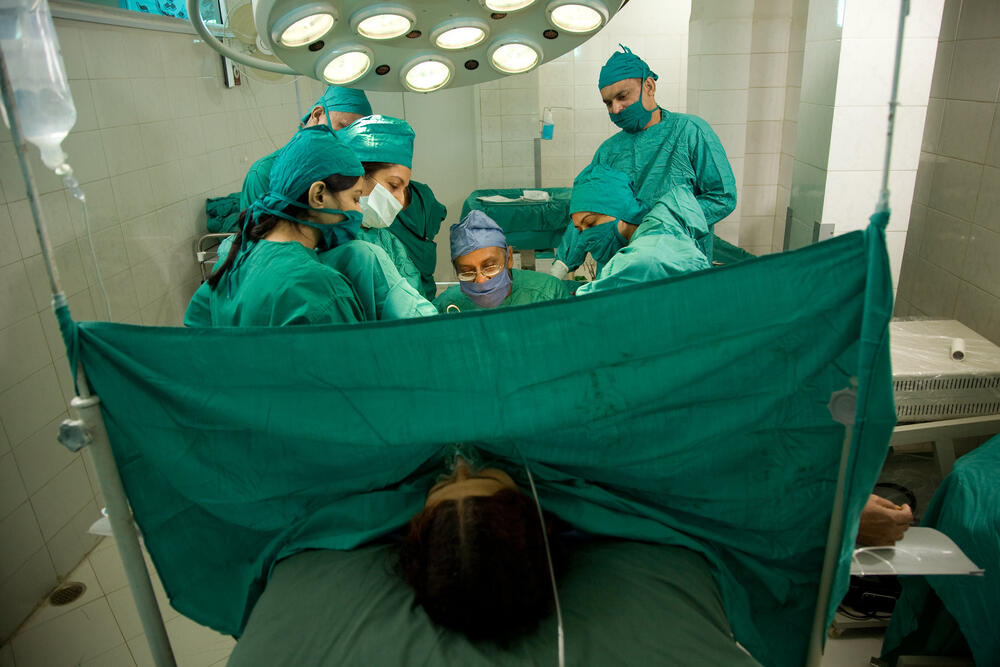
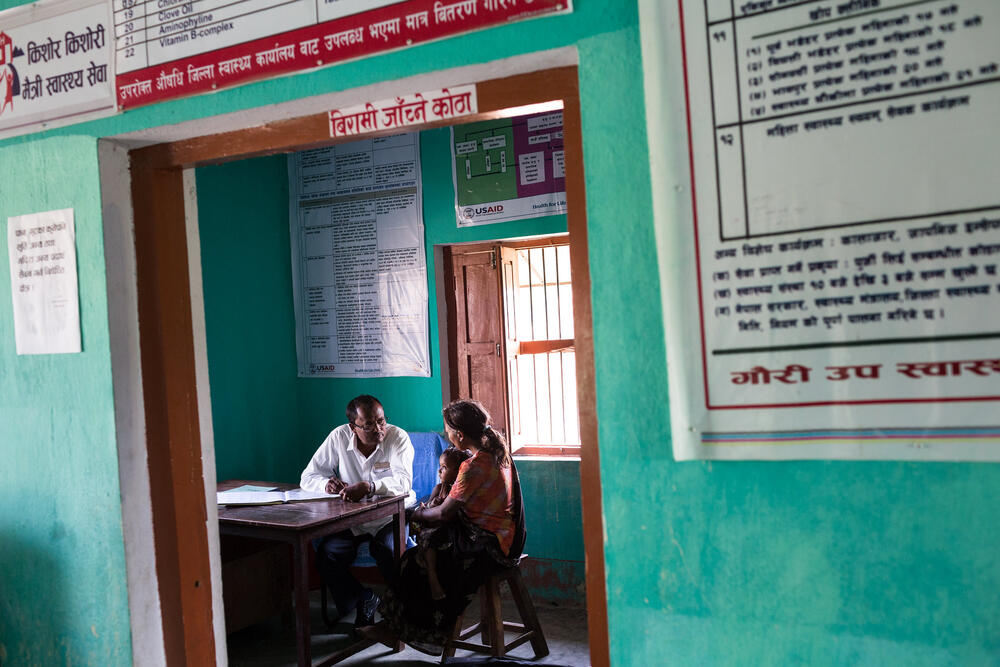
The specialized fistula clinic at the B.P. Koirala Institute of Health Sciences (BPKIHS) in eastern Nepal is a key initiative supported by UNFPA. This centre serves as a highly successful model and regional hub for advanced maternal health care. Its critical reach extends far beyond Nepal, drawing patients who travel vast distances, including those from bordering regions of India.
This model ensures a lasting impact through a comprehensive approach that goes beyond just repair surgery. Services include mass community screenings, identifying patients through house-to-house outreach by social mobilizers, and a key government partnership to place fistula screenings within the free basic healthcare package. For national bodies and private funders, this is a proven, strategic investment in sustainable health capacity, effectively addressing complex social barriers and restoring dignity to marginalized women across the wider South Asia sub-region.
3. Policy and Resources
UNFPA's efforts are grounded in comprehensive technical resources, such as the publication Obstetric Fistula and Other Forms of Female Genital Fistula, which provides guiding principles for clinical management. This regional fight also directly supports the global mandate to end fistula, a necessity highlighted in key policy documents like the 2020 UN Report on Obstetric Fistula (A/75/264).
Your partnership is crucial. By investing in UNFPA’s obstetric fistula’s work, you can enable specialized treatment for thousands of women and girls, empower and help survivors to reintegrate into society, and ensure that every childbirth is safe for women and girls in the Asia and the Pacific region.
Together, we can eliminate this childbirth injury from the Asia-Pacific region, and beyond.
Learn more about our life-saving work and how to support the campaign here.
Obstetric fistula is one of the most serious and tragic childbirth injuries and a stark reminder of global inequality. This devastating condition leaves an estimated half a million women and girls across Asia, sub-Saharan Africa, and other regions suffering from chronic pain, incontinence and social isolation — despite the injury being almost entirely preventable and treatable.
UNFPA in Asia and the Pacific is leading the charge in our region, ensuring that this violation of human rights is ended, all women receive the treatment and support they deserve and that all countries are aligned with the UN’s goal to eradicate fistula by 2030 as part of the Sustainable Development Agenda.