

Midwives need our support more than ever. Across the world, they are working under immense pressure, often in conditions that actively work against them. Many are burnt out and exhausted, facing fear of legal repercussions and operating with limited scope of practice. In humanitarian settings, they are risking their own lives to save mothers and newborns.
At the 34th Triennial Congress of the International Confederation of Midwives in Lisbon, one message was clear: the world urgently needs one million more midwives. But numbers alone are not enough. In today’s complex and rapidly changing environment, empowering midwives is just as critical as increasing their ranks.
Here are five ways we can support midwives in Asia and the Pacific.
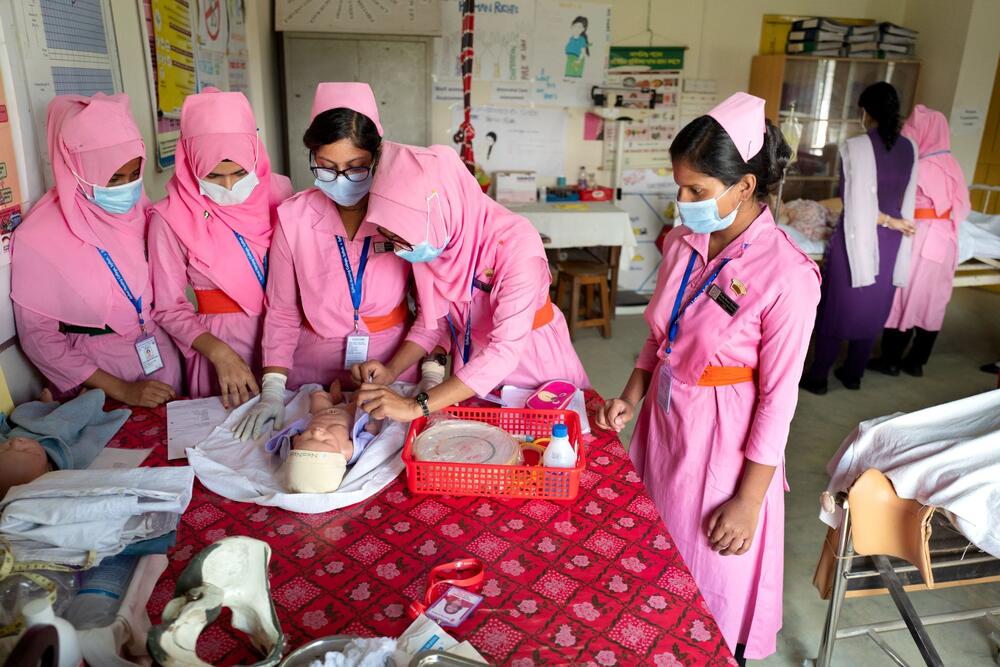
1. Build capacity and strengthen midwifery education
Midwives need high-quality education, ongoing training and strong support as they begin their careers. When trained and regulated up to international standards, they can provide 90 per cent of essential sexual, reproductive, maternal, newborn and adolescent health services, making them one of the smartest investments in universal health coverage.
The United Nations Population Fund (UNFPA) is working with governments across Asia and the Pacific to improve midwifery education, align with global standards and expand competency-based training. Importantly, capacity-building does not just mean training more midwives but also ensuring they stay skilled over time and are supported to use those skills.
2. Understand and adapt to their changing realities
In Asia and the Pacific, midwives are on the frontlines of multiple emerging challenges, from climate-related health risks and complex humanitarian crises to growing pushback against sexual and reproductive health and rights and declining investments in women’s health.
In Asia and the Pacific, UNFPA is leading efforts to help midwives manage these changing realities, from heat stress to rising adolescent pregnancies. To ensure midwives are truly reaching all women and girls in the region, UNFPA is also quipping them with the specialized skills needed to provide respectful, accessible sexual and reproductive health care for persons with disabilities and women subject to gender-based violence.
In the world’s most disaster-prone region, training midwives in disaster preparedness and emergency response is also critical, so they can continue delivering life-saving care under pressure with confidence and competence. Supporting midwives means ensuring they have the tools, systems and training to respond effectively in an increasingly complex world.
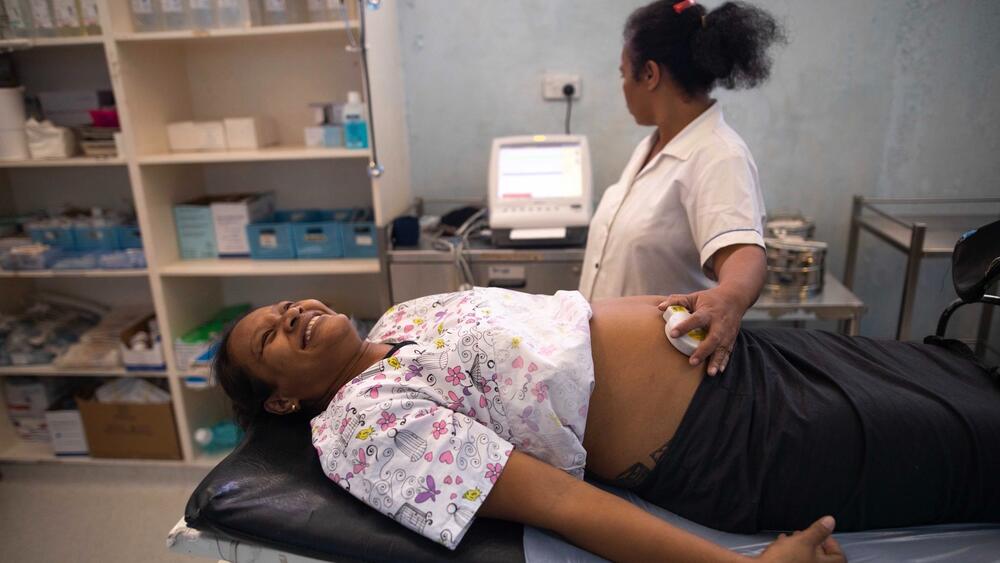
3. Ensure protection and safe working conditions
Midwives cannot deliver care if they are not safe themselves. Protection needs to include freedom from violence, fair legal frameworks, mental health support and safe, well-resourced working environments.
UNFPA works to strengthen both the conditions midwives work in and the systems around them. This includes supporting safe facilities, essential supplies and referral systems so midwives are not working in isolation, as well as working with governments to improve regulation, clarify scopes of practice and better integrate midwives into national health systems, reducing legal and professional risks.
4. Increase sustainable investment
To reap the benefits of midwives, governments, donors and partners must commit long-term resources not only to train more midwives, but to employ, deploy and retain them.
Across Asia and the Pacific, UNFPA works with governments and partners to strengthen national health workforce strategies, using data to identify gaps in midwife numbers, distribution and retention so investments are more targeted and effective. In Bangladesh, for example, the Government has just committed to training and deploying 25,000 new midwives by 2030, one of the region’s most ambitious investments in the maternal health workforce. More countries should pursue similarly bold commitments.
Globally, the Midwifery Accelerator, led by UNFPA together with WHO and UNICEF, is helping to align advocacy, coordination and investment in midwifery, strengthening the case for midwife-led care as one of the most cost-effective ways to reduce maternal and newborn deaths and improve quality of care.
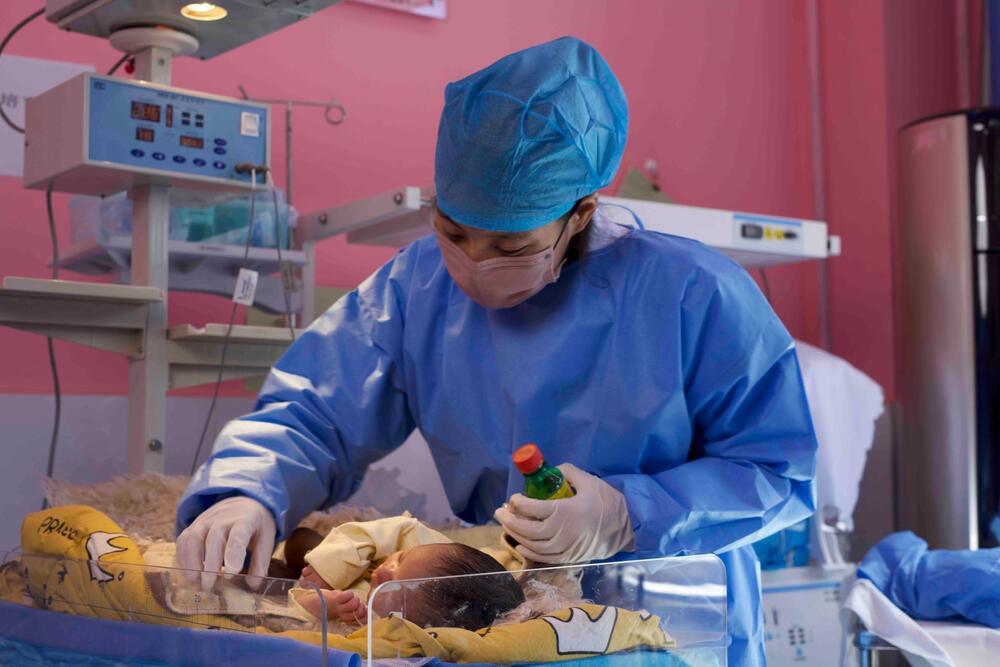
5. Refuse to overlook their leadership
Midwives are not only service providers. They are leaders, advocates and agents of change. They are also at the forefront of local responses, acting as trusted voices in efforts to address gender-based violence and harmful practices such as female genital mutilation. Yet in many countries in Asia and the Pacific, they remain underrepresented in decision-making, with only a small number holding legislative or senior policy roles.
Elevating midwives into leadership positions is essential to building truly responsive, inclusive health systems. UNFPA is supporting a shift toward midwifery models of care, where midwives lead and coordinate services across the continuum of care. These models are proven to save lives, but scaling them requires sustained commitment, systemic change and strong partnerships.
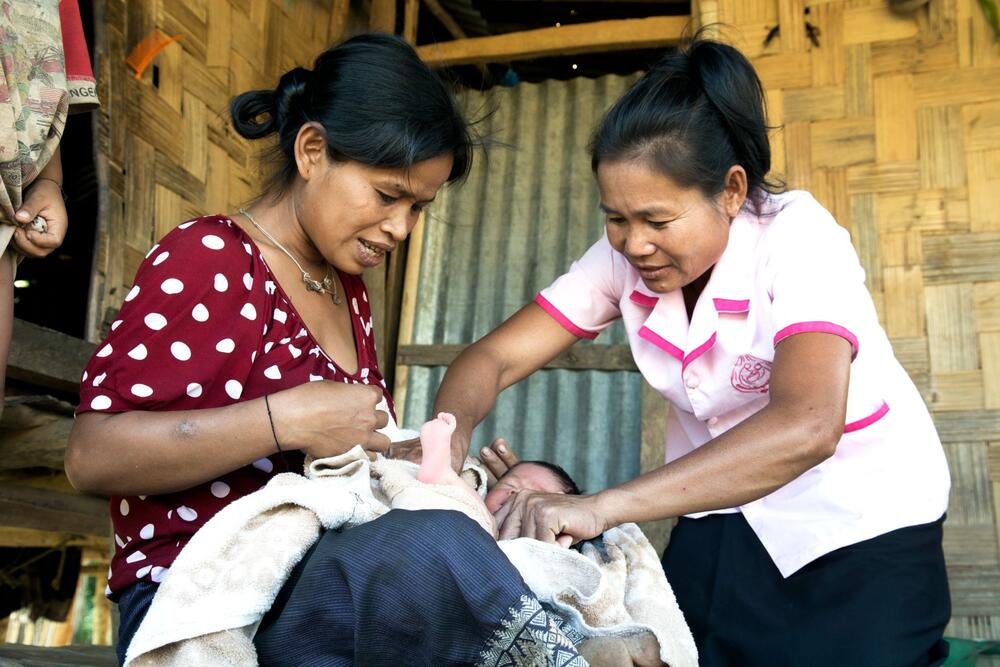
The Asia-Pacific region has much to be proud of: improvements in midwife availability, education standards, regulation and licensing systems are already underway. However, critical gaps remain in leadership opportunities, consistency in education standards and effective deployment systems.
For midwives to be able to fully perform their jobs, they must have the right resources, support and enabling environments. This is where we need to step up collectively.
For more information on the contents of this story, please contact:
Shanon McNab
Regional Advisor on Sexual and Reproductive Health and Rights, Asia and the Pacific
mcnab@unfpa.org