

By Wassana Im-em
Regional Technical Specialist on Population and Development, Asia and the Pacific
Population ageing is often framed as a looming crisis, usually in the language of burden: too many older people, too few workers, rising costs and slower growth.
But ageing itself is not the problem.
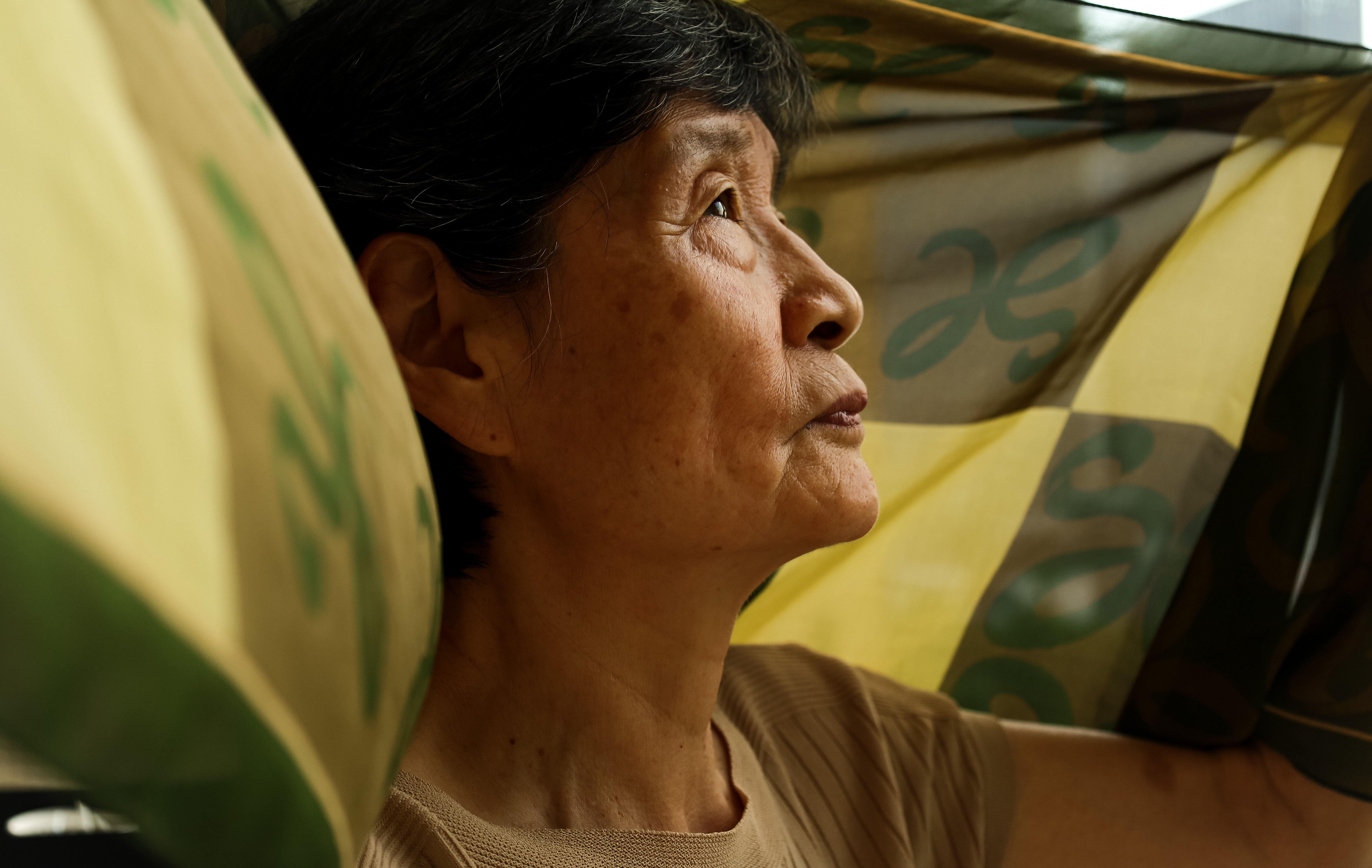
Longer lives are one of development’s clearest successes, reflecting decades of progress in health, education and living standards. The real risk is not that populations are ageing, but that many countries are reaching that future without the systems and investments needed to keep pace. Across Asia and the Pacific, people are living longer, families are having fewer children and the balance between generations is shifting fast. By 2050, one in four people in the region will be aged 60 or older, up from 14.3 per cent in 2022.
This changes far more than population structure. It changes how economies function, who pays taxes, who depends on public services and how care is provided across families and communities. When governments do not plan for those shifts early, pressure builds quietly over time until it becomes far harder and more expensive to respond.
This is where National Transfer Accounts, or NTAs, become useful.
Making demographic change visible
NTAs are a simple way of showing how money and support move between generations over the course of life. They help explain who earns, who needs support and how people are cared for at different ages, whether through income, public services or family support. In practical terms, they help governments see how population change affects everyday life and where support systems are likely to come under pressure next.
That matters far beyond ageing alone. NTAs help governments think through some of the biggest questions shaping the future: whether enough is being invested in children, whether enough people are in productive work, and whether health and social protection systems will still hold as populations grow older. They also help bring into view something often overlooked in economic planning: the unpaid care work, often carried by women, that keeps households and economies running.
Looking beyond ageing
Preparedness does not begin when societies are already old. It begins much earlier, with stronger investment across the life course. That means investing in children and young people early, supporting women’s full participation in the economy, strengthening health systems before demand peaks and building social protection that can last. It also means recognising care work not as a private burden, but as part of the real economy.
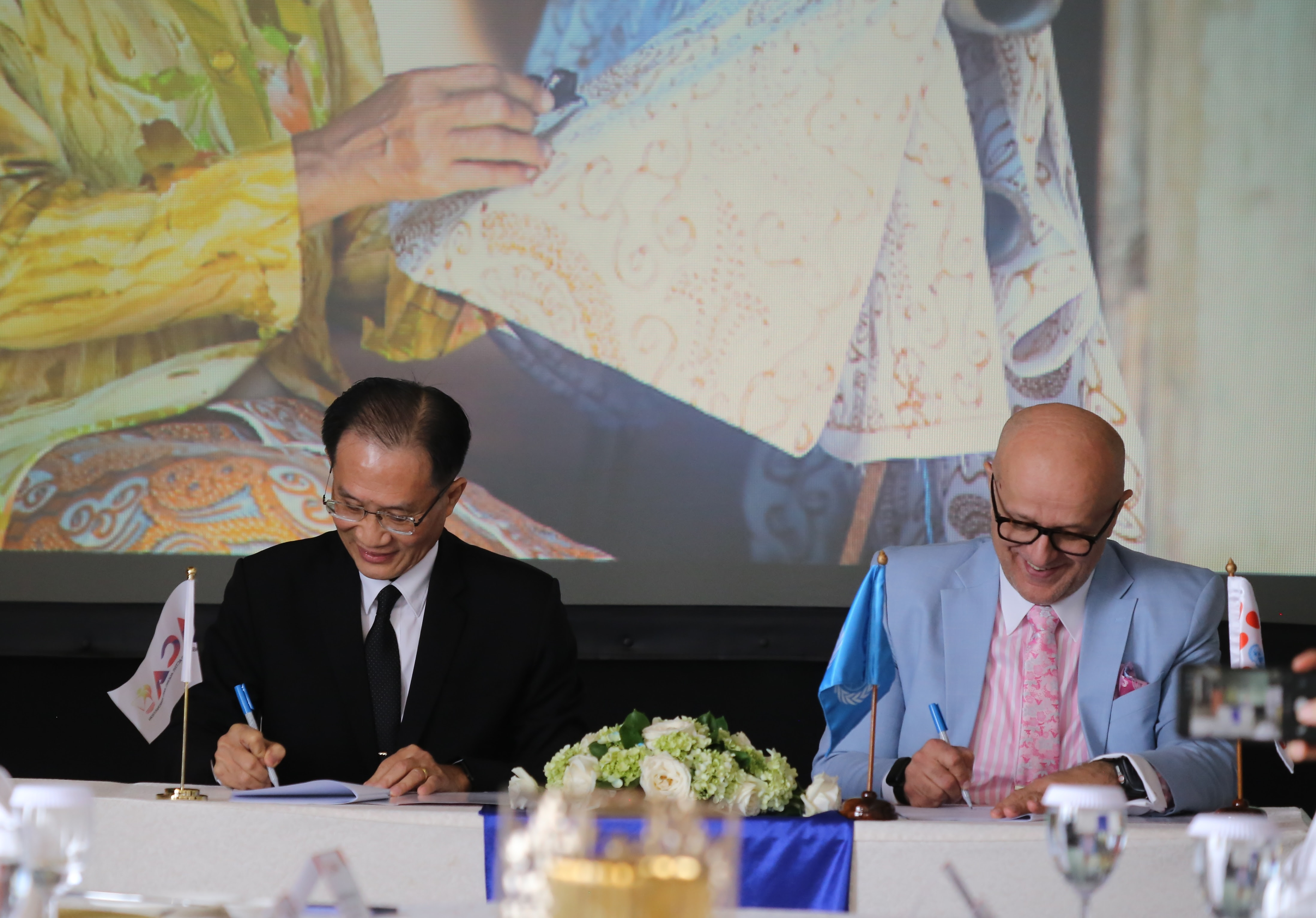
Across the region, UNFPA has supported governments to use NTAs to turn demographic change into practical policy choices on ageing, health, social protection and public investment. This work helps countries prepare for population change with evidence, not assumptions, and to plan around how people actually live, work and support one another across generations.
Preparedness does not begin when societies are already old. It begins much earlier, with stronger investment across the life course.
Thailand offers one clear example. There, NTAs have helped make population change easier to understand and plan for. They have helped show where support is needed most, from young children and families to older people who will need stronger health and social services in the years ahead. That evidence has helped guide decisions on support for families, improve understanding of gaps in access to healthcare and strengthen long-term planning for an ageing society.
Thailand’s experience shows what is possible when population change is treated not as a distant concern, but as something governments can prepare for early and shape over time. That is the real challenge ahead.
Ageing is not the crisis. Being unprepared is.