

Across Asia and the Pacific, gender equality and sexual and reproductive health and rights are facing growing challenges. Anti-rights narratives are gaining visibility in public discourse. Misinformation is spreading faster and farther through digital platforms. Women’s rights advocates are facing increasing harassment and intimidation. In some contexts, hard-won gains are being reframed as threats to culture, tradition or national identity.
Yet focusing only on the backlash misses an equally important story. Across the region, governments, civil society organizations and communities are developing practical responses that are helping to protect progress and sustain essential services. While there is no single solution, experience from some of the region’s most challenging contexts points to a number of approaches that are proving effective.
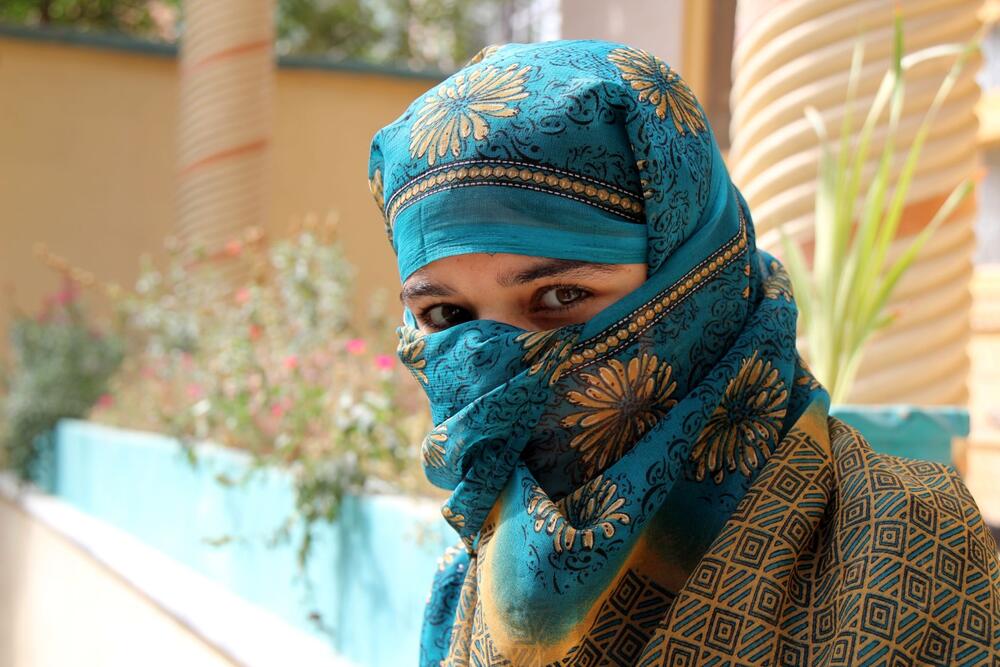
1. Keep services running, even when conditions change
One of the clearest lessons emerging from the region is that protecting rights often begins with protecting access to services.
In Afghanistan, where restrictions on women’s rights have transformed nearly every aspect of public life, maintaining access to reproductive health, protection and mental health services has required constant adaptation. Rather than withdrawing support, service delivery models have evolved. Community-based centres, integrated health services and locally grounded approaches have helped ensure that women and girls can continue accessing care, information and support despite increasingly difficult operating conditions.
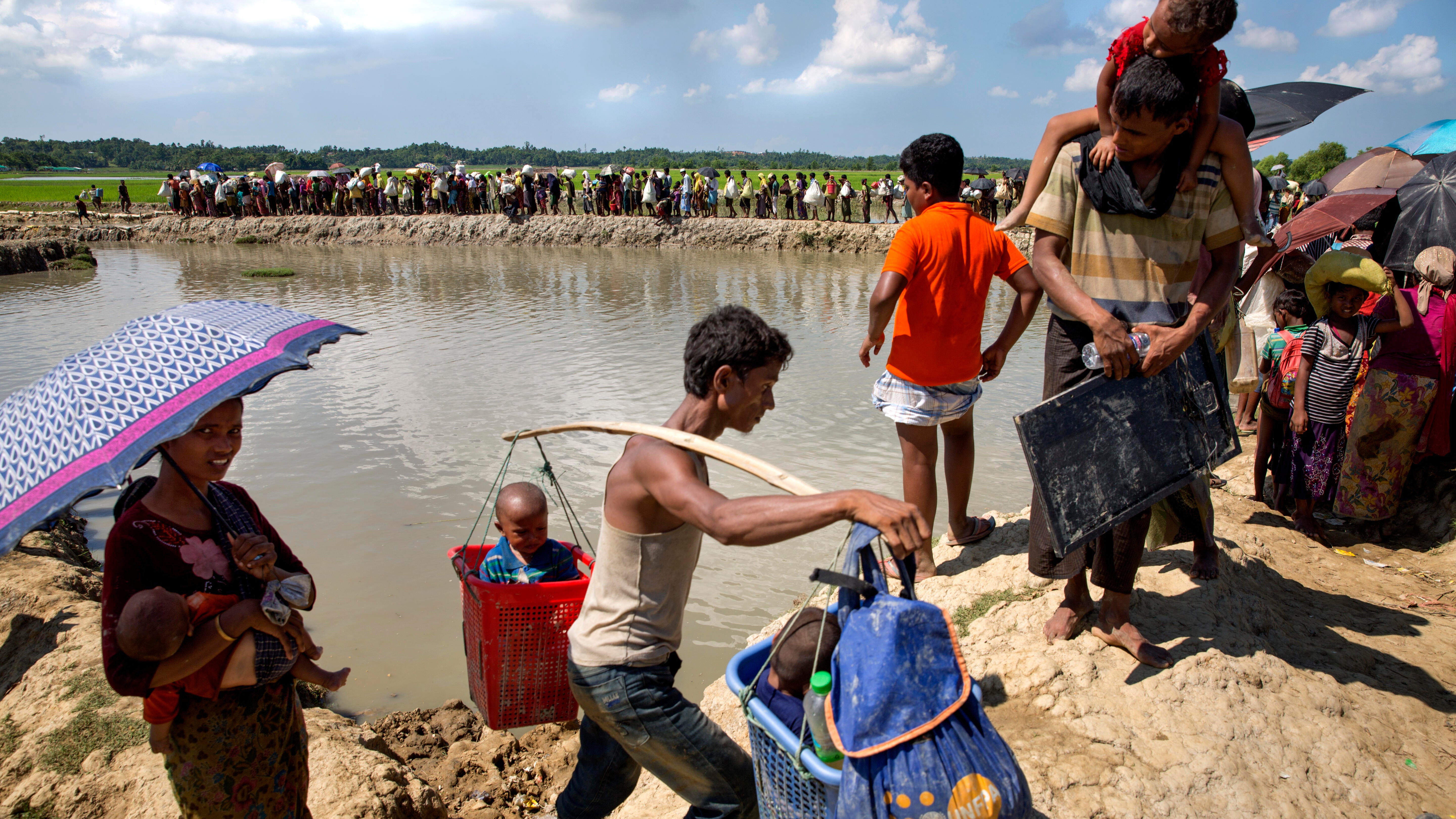
This flexibility is particularly important because many of the risks women face are interconnected. Climate shocks, economic hardship, displacement and restrictions on mobility can reinforce one another, increasing vulnerability to child marriage, exploitation and gender-based violence. Programmes that integrate health, protection, mental health and livelihood support are helping women and girls navigate these overlapping challenges while remaining connected to essential services.
The lesson is simple: rights are difficult to exercise when services disappear.
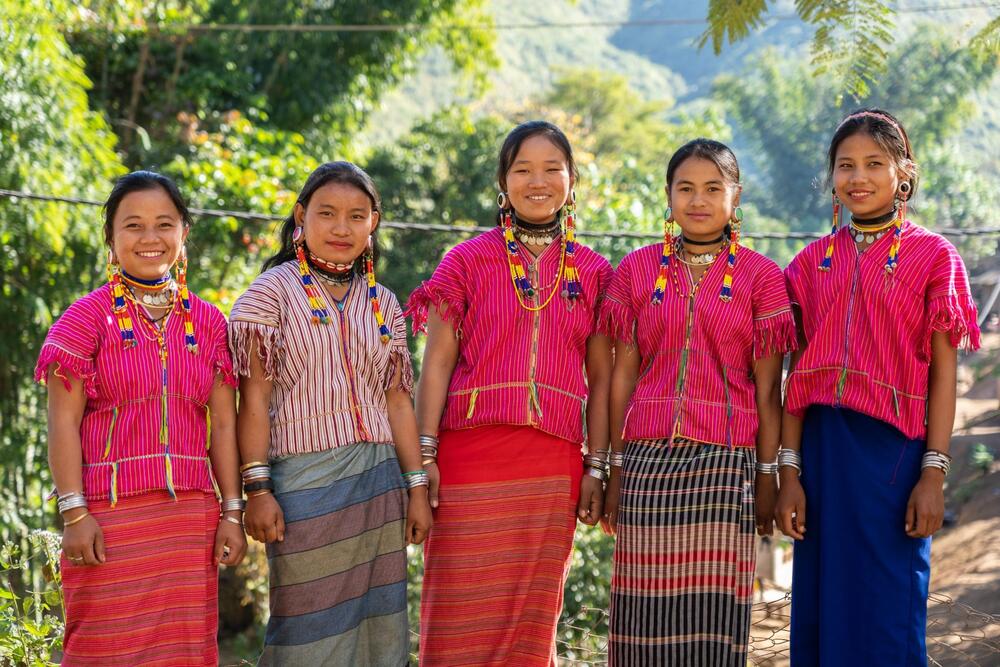
2. Invest in local leadership
When rights come under pressure, local organizations are often the first responders and the last to leave.
Myanmar offers a powerful example of why local leadership matters. Amid conflict, displacement and political instability, women-led organizations, women’s rights organizations and community groups continue to play a critical role in reaching affected populations, identifying emerging risks and maintaining access to services. Their deep understanding of local realities allows them to respond quickly and effectively in ways that external actors often cannot.
Across the region, investments in local organizations are increasingly recognized as investments in resilience. Strong local partners help sustain services, preserve community trust and ensure that women’s needs remain visible even when civic space narrows or institutions come under strain.
Protecting progress requires more than programmes. It requires people and organizations with the knowledge, credibility and commitment to carry that work forward.
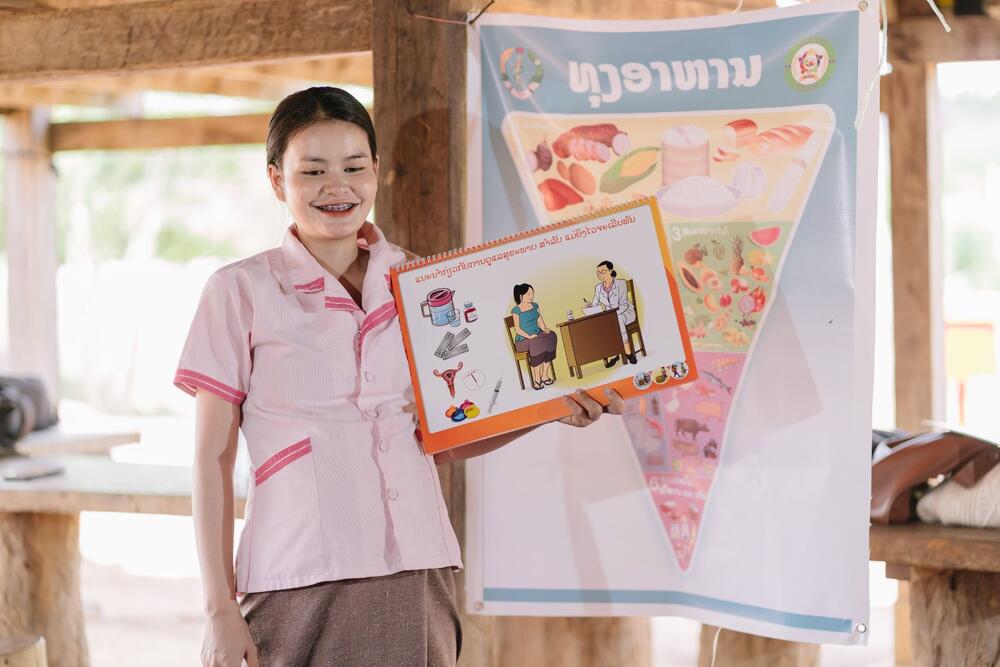
3. Fight misinformation with trusted voices
Anti-rights movements are increasingly operating in digital spaces. Misinformation, online harassment and AI-generated content are being used to spread harmful narratives, undermine evidence-based information and target women leaders and advocates.
Responding effectively requires more than simply communicating more. It requires communicating differently.
Across Asia and the Pacific, organizations are investing in community engagement, evidence-based messaging and partnerships with trusted local voices. The goal is not only to counter false information but also to build public understanding of why gender equality, bodily autonomy and access to health services matter for individuals, families and communities.
In an increasingly crowded information environment, trust has become one of the most valuable resources available to those working to protect rights.
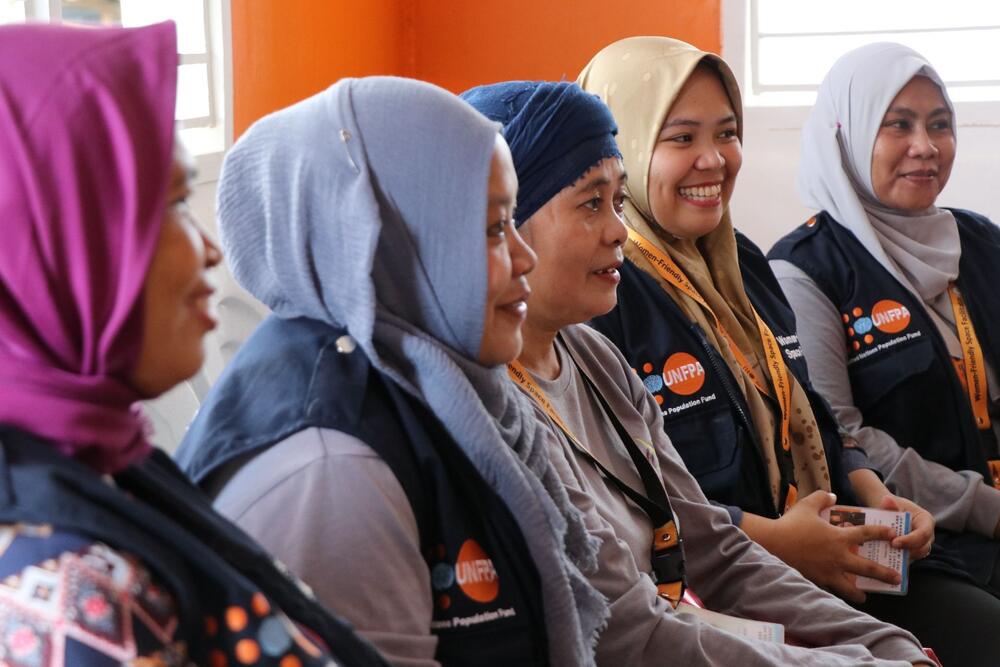
4. Protect the people protecting rights
Women human rights defenders, community leaders, service providers and civil society advocates are often at the forefront of advancing gender equality and supporting vulnerable populations. They are also increasingly becoming targets.
Across the region, online abuse, digital violence and coordinated harassment campaigns are creating new risks for those speaking out on behalf of women and girls. These attacks can silence voices, reduce participation in public life and weaken advocacy efforts.
Supporting these defenders means going beyond traditional programme delivery. Digital security, safeguarding measures, capacity development, peer networks and psychosocial support are becoming increasingly important components of efforts to strengthen civic space and protect those working on the front lines of change.
Protecting rights also means protecting the people who defend them.
5. Treat funding as a frontline defence
Perhaps the most overlooked lesson is that anti-rights actors do not always need to win political debates to achieve their objectives.
Across many countries, programmes supporting sexual and reproductive health, gender-based violence prevention and response and broader protection systems are facing growing financial pressure. Funding cuts can weaken referral pathways, limit access to services and reduce the capacity of local organizations to respond to emerging needs.
Over time, underinvestment can produce many of the same outcomes as more visible forms of backlash. Services become harder to access. Women’s issues receive less attention. Local organizations struggle to survive. Progress slows and, in some cases, begins to reverse. In 2025, more than 10 million women and girls lost access to essential UNFPA-supported services as a direct result of funding shortfalls — a trend that is expected to continue in 2026.
Protecting rights therefore requires more than strong policies and public commitments. It requires sustained investment in the systems, institutions and organizations that make those rights meaningful in everyday life.
Looking ahead
There is no single blueprint for responding to anti-rights movements. The drivers differ across countries and communities, and effective responses must be grounded in local realities. Yet the experiences emerging from across Asia and the Pacific point to a common conclusion: progress is most resilient when services remain accessible, local organizations are empowered, trusted voices are amplified, defenders are protected and investments are sustained.
The story of rights in the region is not only one of growing pressure but one of adaptation, partnership and persistence. As new challenges emerge, those qualities may prove to be the most effective response of all.
For more information on the contents of this story, please contact:
Upala Devi
Regional Gender and Human Rights Advisor
devi@unfpa.org