

Not all harmful practices are social norms or gender norms, and norm change is not always necessary to shift harmful behaviours and practices. Increased access to opportunities, services and infrastructure, and legislative and policy reforms can also help shift harmful behaviours. Even where social and gender norms are driving behaviour, they do not operate in isolation: they are not separate from structural inequalities and material realities. Norm change interventions should be included as part of a comprehensive, multisectoral approach to address gender-based violence and harmful practices across the socioecological model. Social and gender norm change requires contextual analysis, including an understanding of intersectional gender and power dynamics, informed by formative research on the specific behaviour in the setting where it occurs. Even if a specific harmful practice is not a norm (see definitions below), other harmful social and gender norms may still influence the behaviour. Norm diagnosis can help to determine whether a harmful practice is a norm, or if norms are a significant driver of the practice.
 Go Back
Ending unmet need for family planning
Go Back
Ending gender-based violence and harmful practices
Go Back
Who we are
Go Back
What we do
-
Ending unmet need for family planning
Ending maternal mortality
Ending gender-based violence and harmful practices
Responding to population matters
Ensuring rights and choices for all
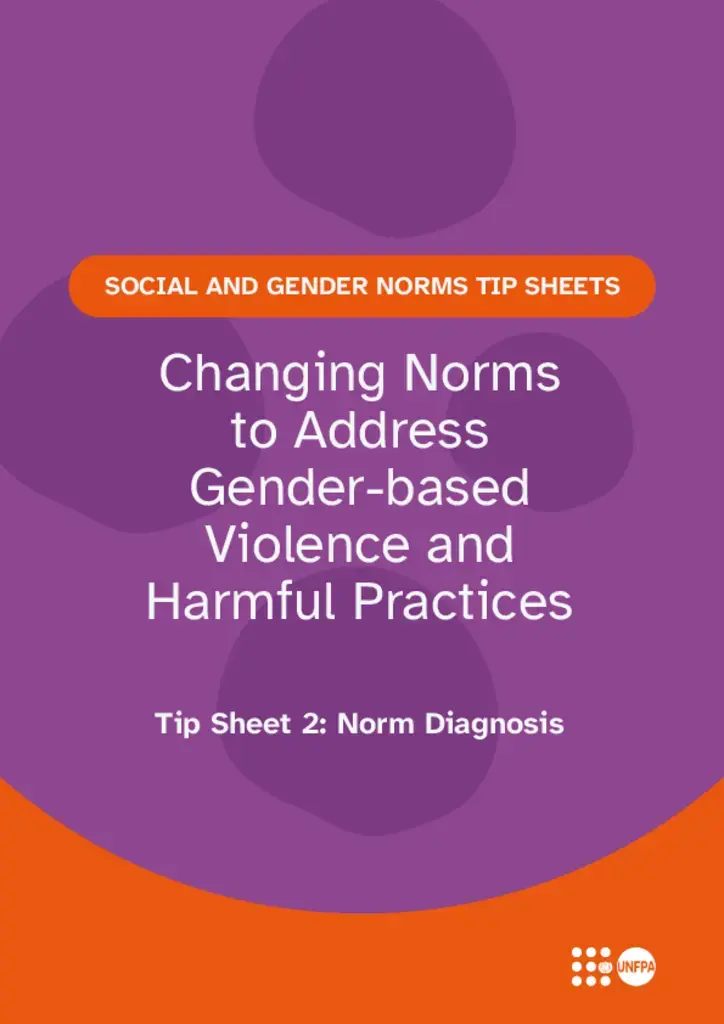
Changing Norms to Address Gender-based Violence and Harmful Practices - Tip Sheet 2: Norm Diagnosis

Author
UNFPA
Number of pages
16
Technical Reports and Document
Changing Norms to Address Gender-based Violence and Harmful Practices - Tip Sheet 2: Norm Diagnosis
Publication date
27 March 2026

Related Content
Press Release
09 October 2026
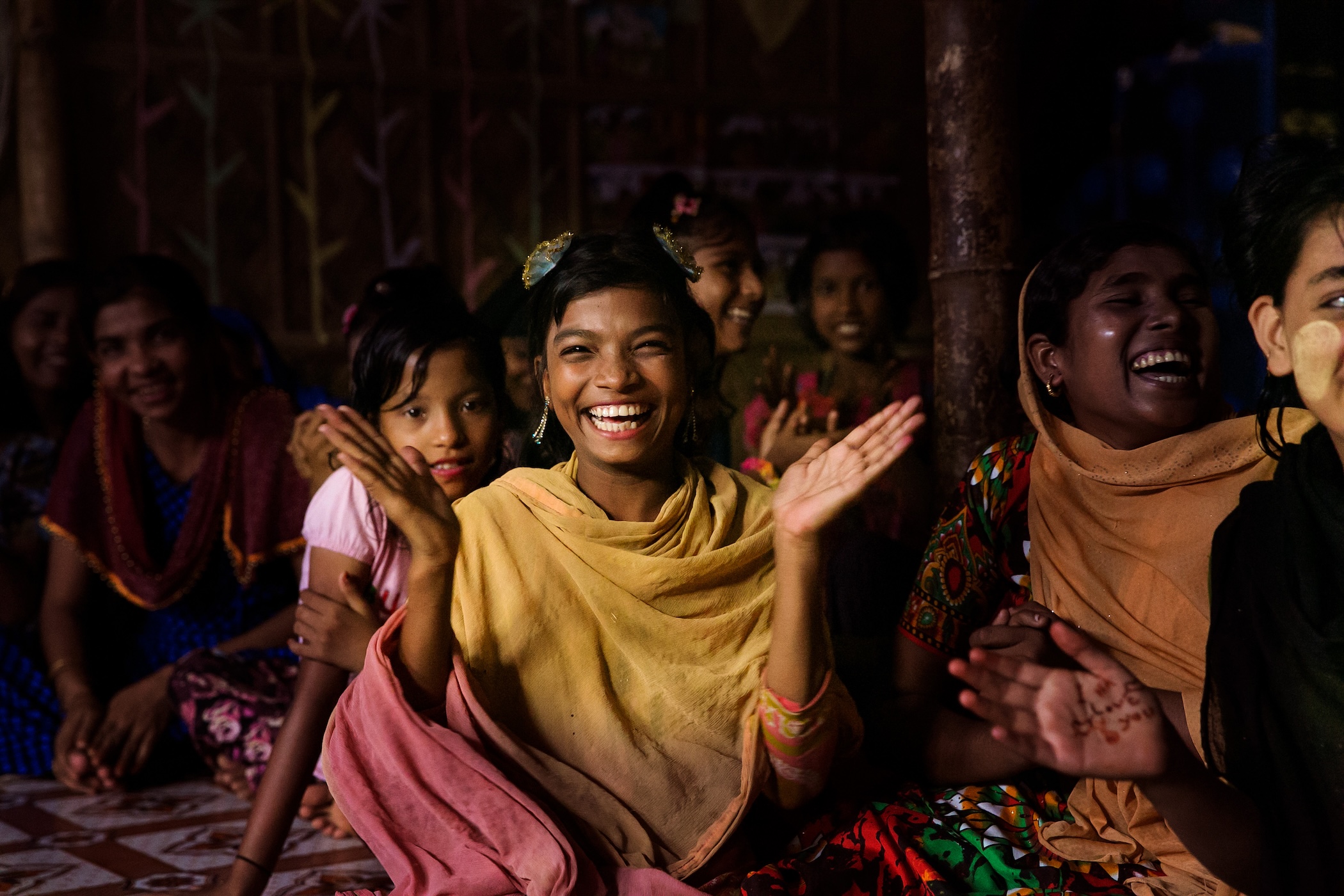
650 million reasons to act: UNFPA calls for health systems that deliver for adolescents in Asia and the Pacific
Read story