

Canberra/Bangkok, 24 November 2025: Declining fertility rates in Asia and the Pacific – including in Australia – are sparking global alarm, yet the true crisis lies not in the number of babies being born, but in whether people are able to make free, informed decisions about starting or growing a family, according to the State of World Population 2025 report by UNFPA, the United Nations sexual and reproductive health agency
The report, “The Real Fertility Crisis: The Pursuit of Reproductive Agency in a Changing World,” warns that demographic anxieties are distracting from the core issue: systems and structures across societies are failing to support individuals’ reproductive choices. Drawing on global survey data, policy analysis and lived experiences, the report highlights deep disparities between people’s reproductive intentions and the realities they face.
Fertility rates across East and Southeast Asia have fallen to some of the lowest in the world – not because people do not want children, but because economic pressures, housing costs, gender inequality, limited childcare, and inflexible workplaces make parenthood difficult to pursue. In other parts of the region, particularly the Pacific, high adolescent birth rates signal persistent barriers to comprehensive sexuality education and access to essential reproductive health services.
In the report, UNFPA warns that restrictive policies aimed at increasing or decreasing fertility - such as one-time baby bonuses, coercive population targets, limits on contraception or bans on sexuality education - consistently fail to deliver results and often undermine human rights.
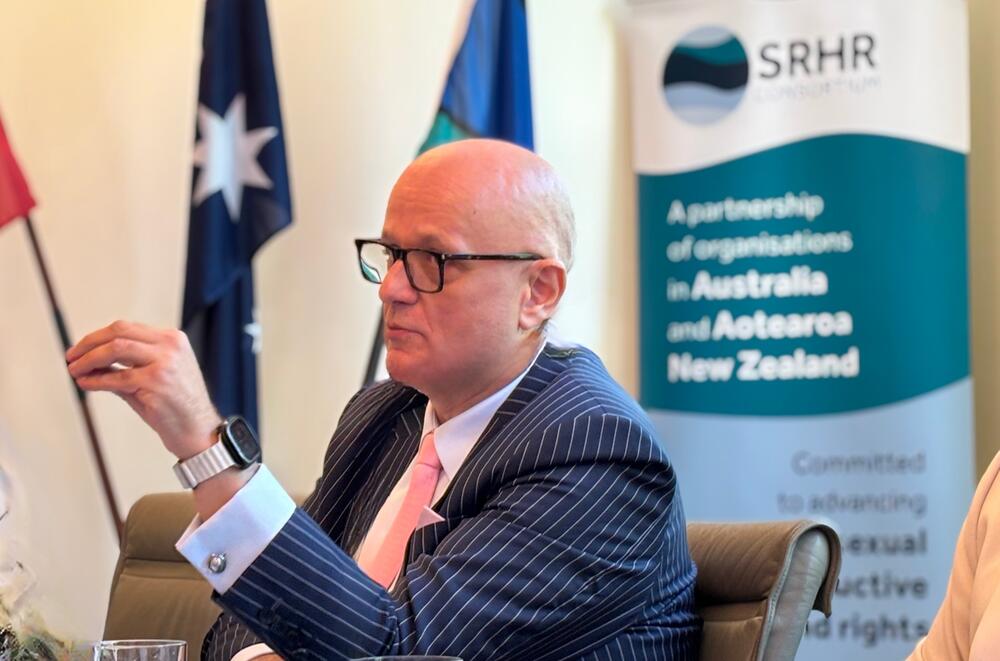
Presenting the report findings at a gathering held at Parliament House in Canberra today, Dr Aleksandar (Sasha) Bodiroza, UNFPA Regional Director for Asia and the Pacific (a.i.) said, “We need to stop trying to ‘fix’ fertility and instead invest in rights-based solutions. What works is respecting choice: strong education systems, fair workplaces, shared care, quality reproductive health services, and evidence-based policy built on good data. Every person has the right to make decisions about their body, their future and their family.”
The report underscores that reproductive agency is universal and that people thrive when they can access information, services and supportive environments that enable them to shape their own futures by being empowered to freely decide whether and when to have children.
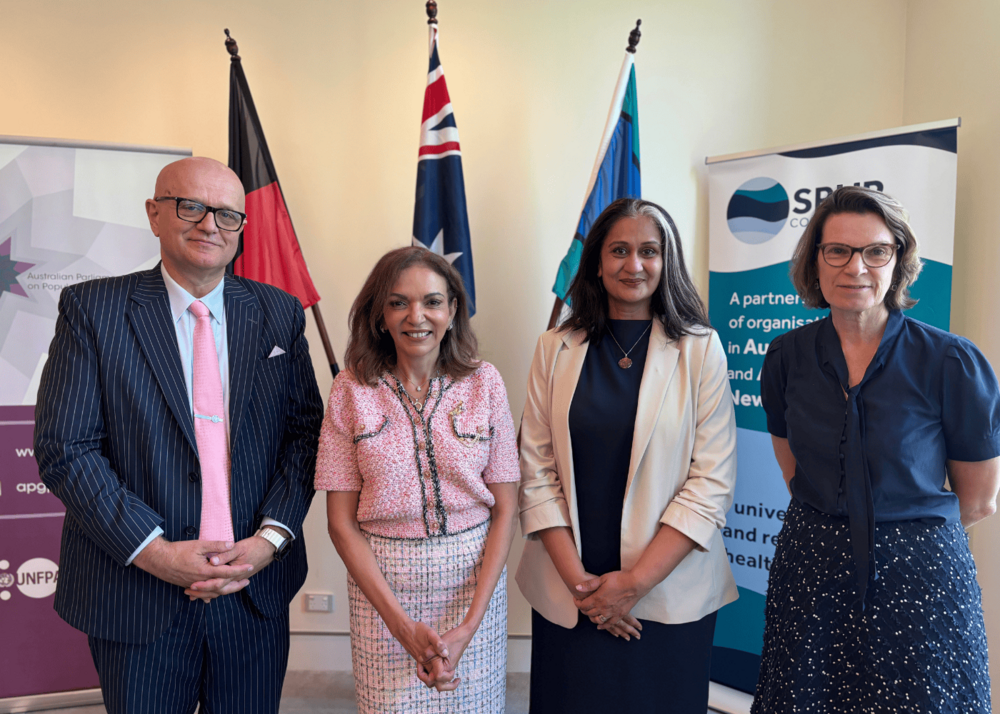
The event held today in Canberra was organized by Family Planning Australia and the Australian Parliamentary Group on Population and Development (APGPD). Government officials in attendance included the Minister for Small Business, International Development and Multicultural Affairs, Dr Anne Aly MP; Assistant Minister for Social Services and the Prevention of Family Violence, Ged Kearney MP and Co-Chair of APGPD, Senator Mehreen Faruqi.
Across Asia and the Pacific, UNFPA works with governments and communities to strengthen sexual and reproductive health systems, expand access to contraception and youth-friendly services, support midwives, address gender-based violence, and provide life-saving care in humanitarian crises. Australia is a longstanding partner with UNFPA in helping ensure women and girls have access to essential services and information to make informed choices about their futures.