

Health is a human right. Yet for millions of women and girls across Asia and the Pacific, it remains out of reach.
Gaps in care, funding, and policy continue to shape who can live healthy, safe and dignified lives. Meanwhile, protracted humanitarian crises and climate change are compounding these challenges, disrupting health systems, limiting access to care and undermining the realization of rights.
Across all settings, it is the poorest, most marginalized and most vulnerable who are hit the hardest. While innovation and expanded access are critical, progress ultimately depends on whether rights are upheld equally for all, and ensuring that no one is left behind.
Here are six evidence-based ways to advance health for all women and girls in the region.
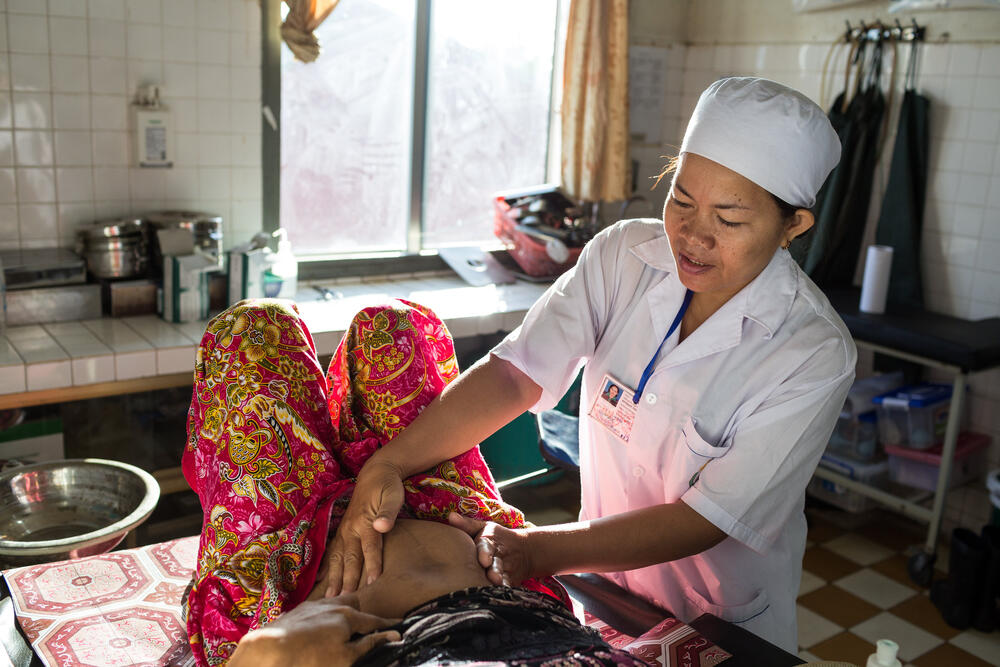
1. Ensure safe pregnancy and childbirth
No woman should die giving life. Yet preventable maternal deaths persist, especially where access to skilled care is limited. In 2023 alone, more than 700 women died every day worldwide from preventable pregnancy-related causes, many of them in Asia and the Pacific, where the daily toll is estimated at 160 lives.
Despite a significant reduction in maternal mortality since 2000, work remains to be done. Evidence shows that investing in midwives, strengthening health systems, and ensuring continuity of care are among the most effective ways to save lives. Through sustained commitment and investment, solutions to maternal and perinatal death are within reach.
2. Protect the right to decide if and when to have children
Voluntary family planning is fundamental to health and autonomy. Yet an estimated 140 million women in the region still have an unmet need for family planning, and fewer than 6 in 10 women can make their own decisions about their health care, contraception and sexual relationships.
While science-led innovation is among the most powerful tools to advance sexual and reproductive health and reach those left behind, bridging the gap between innovation and access is essential to ensure that new technologies and solutions benefit all women and girls, regardless of where they live or their financial circumstances. This is why integrating sexual and reproductive health and rights services into universal health coverage is essential to ensure services reach those most at risk.
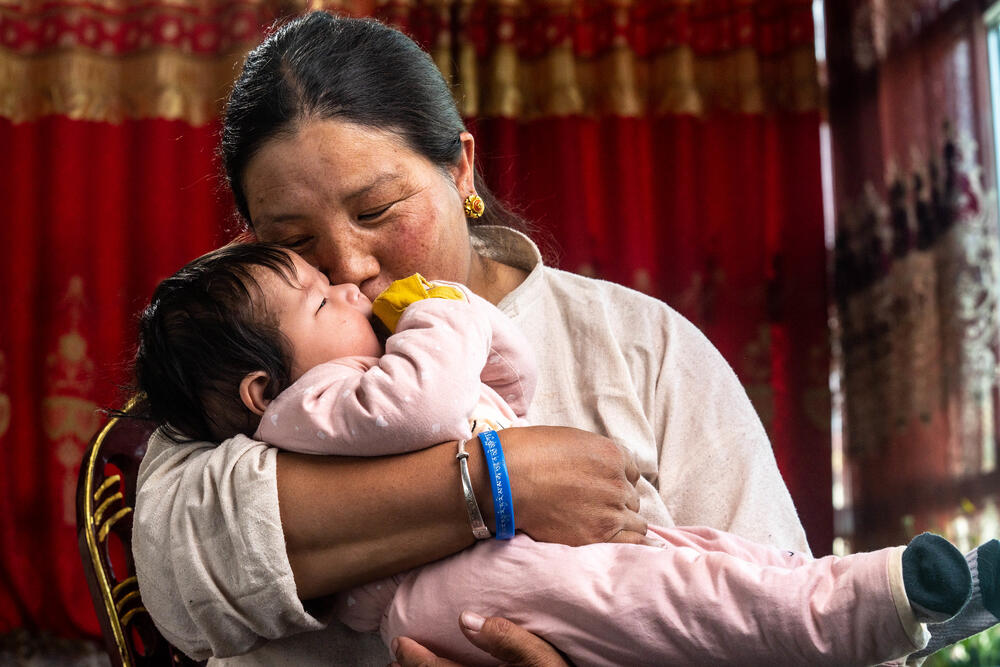
3. End gender-based violence and harmful practices
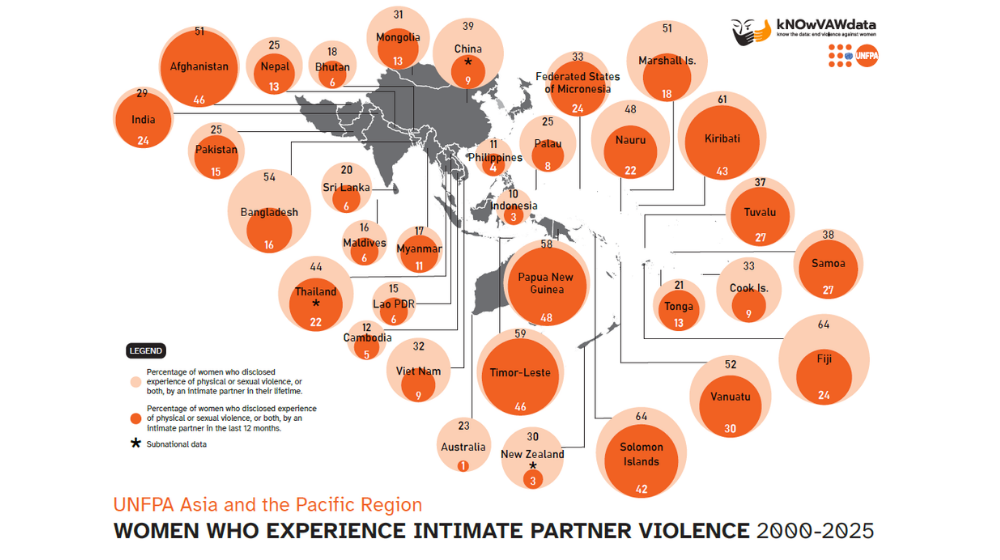
Gender-based violence is a widespread public health and human rights crisis. Across the region, between 10 to 64 per cent of women report experiencing physical or sexual violence by an intimate partner, an estimated 80 million women and girls have undergone female genital mutilation, with lifelong physical and mental health consequences, while technology-facilitated gender-based violence is creating new ways gender-based violence is perpetrated.
The tools to act are already in our hands. Strengthening multi-sectoral and evidence informed GBV prevention and response mechanisms is critical. Initiatives such as kNOwVAWdata are improving the availability and quality of evidence to inform more effective policies and programmes to prevent and end violence against women, while new safety-by-design innovations in technology are preventing and responding to violence online.
4. Ensuring care across the life course
From adolescence to menopause, health needs change across the lifecycle, requiring services that respond to different stages of life. Adolescents face particular barriers to sexual and reproductive health services due to stigma, legal restrictions and lack of youth-friendly care. In Asia and the Pacific, around one in three young women aged 15–24 do not have their need for family planning met with modern methods.
We know that accessible, confidential and non-judgemental services improve outcomes at all ages. Access to scientifically accurate information through comprehensive sexuality education, ensures women, girls and all people can make informed choices about their bodies. Innovations such as telemedicine and digital platforms also play a key role, expanding access to information and care, helping young people make informed decisions about their bodies.
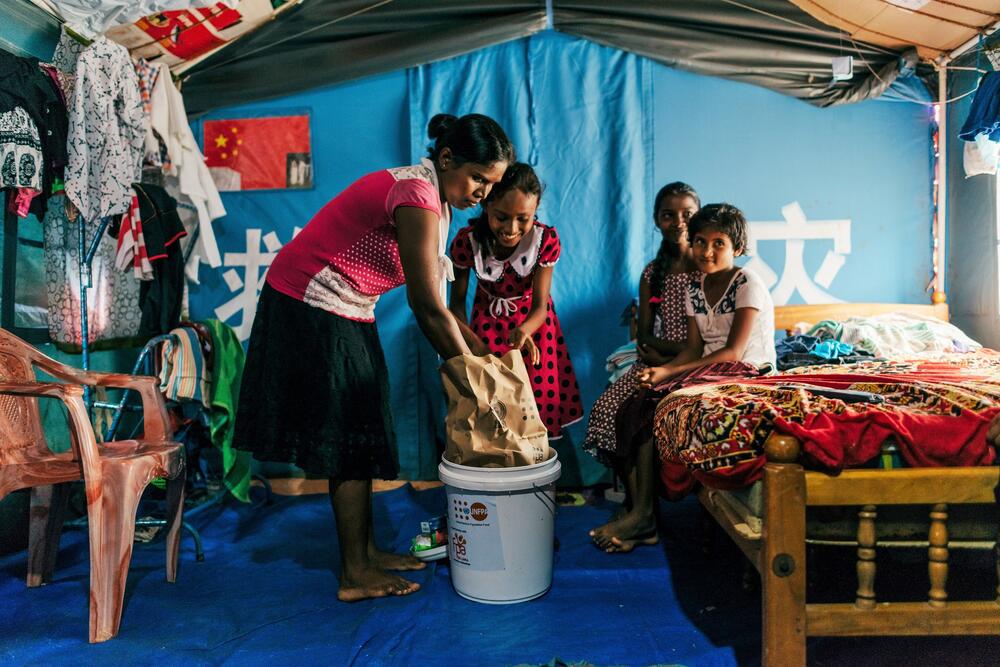
5. Protect access to care in crises
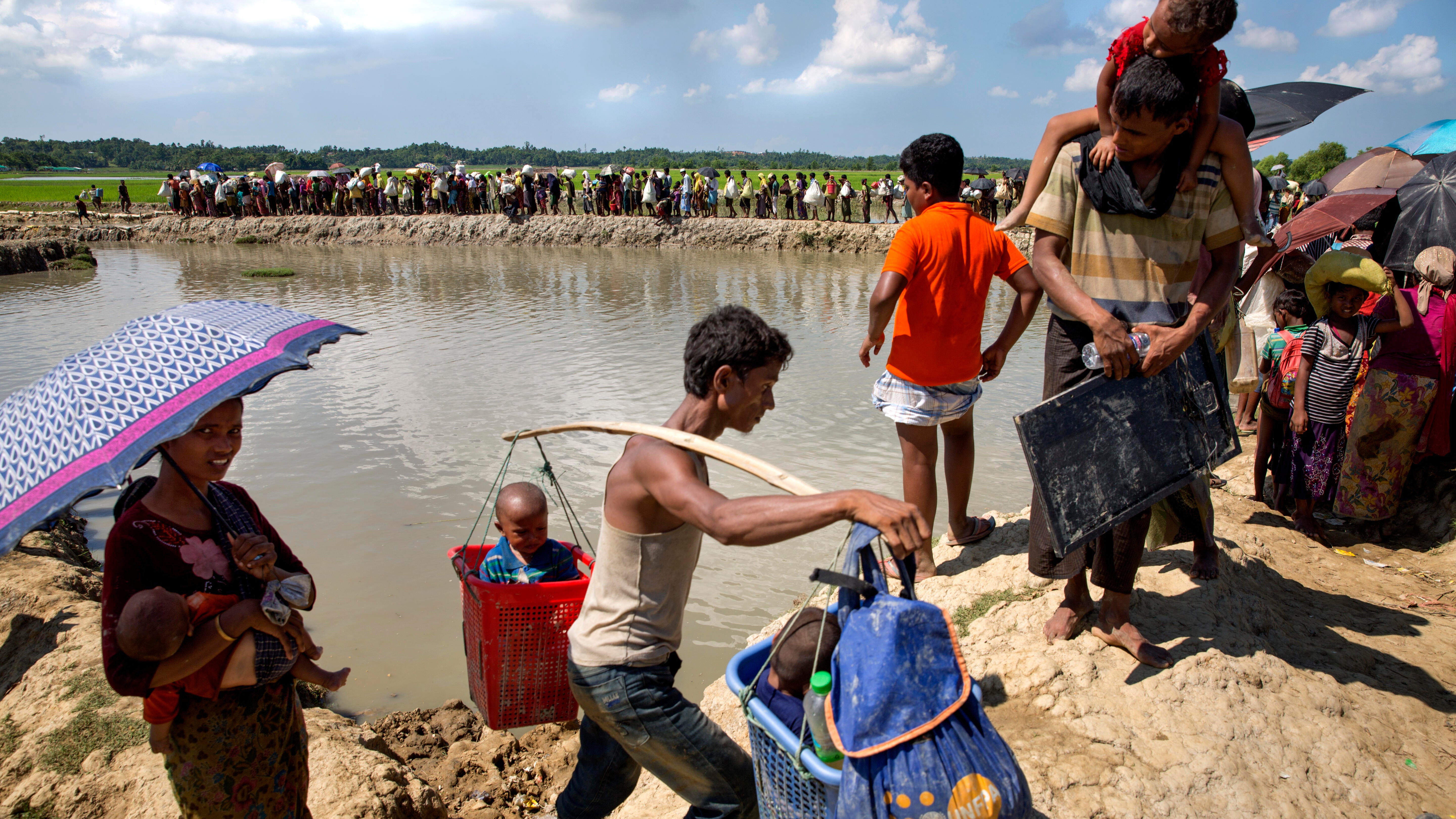
Asia and the Pacific is the most disaster-prone region in the world. As such, it is imperative that care also reaches those in fragile settings. In humanitarian situations, health services often break down when they are needed most, putting pregnant women, new mothers and survivors of violence at greater risk. Timely access to sexual and reproductive health services is critical to prevent disease, disability or death linked to unintended pregnancy, obstetric complications, gender-based violence, HIV and other reproductive health conditions.
In Asia and the Pacific, 10.8 million women and girls of reproductive age need humanitarian assistance in 2026, and over 20 million people require services to prevent and respond to gender-based violence. Maintaining these services from the onset of a crisis saves lives. Delivering essential care, even in the most fragile settings, depends on resilient systems, trained providers and reliable supply chains that reach all the way to the last mile.
6. Invest in women’s health
Decades of underinvestment in women’s health have led to poorer outcomes across nearly every measure. These gaps are not only a denial of rights but also strain health systems and limit women’s income and productivity, with ripple effects across economies.
It doesn’t have to be this way. Globally, only 7 per cent of health research and innovation focuses on conditions specific to women. With stronger policies, increased domestic financing and sustained investment in women-centred innovation, closing the gap is within reach. But innovation alone is not enough. Robust, resilient health systems are essential to ensure advances reach every woman and girl. It’s time to invest in better health for all women and girls.
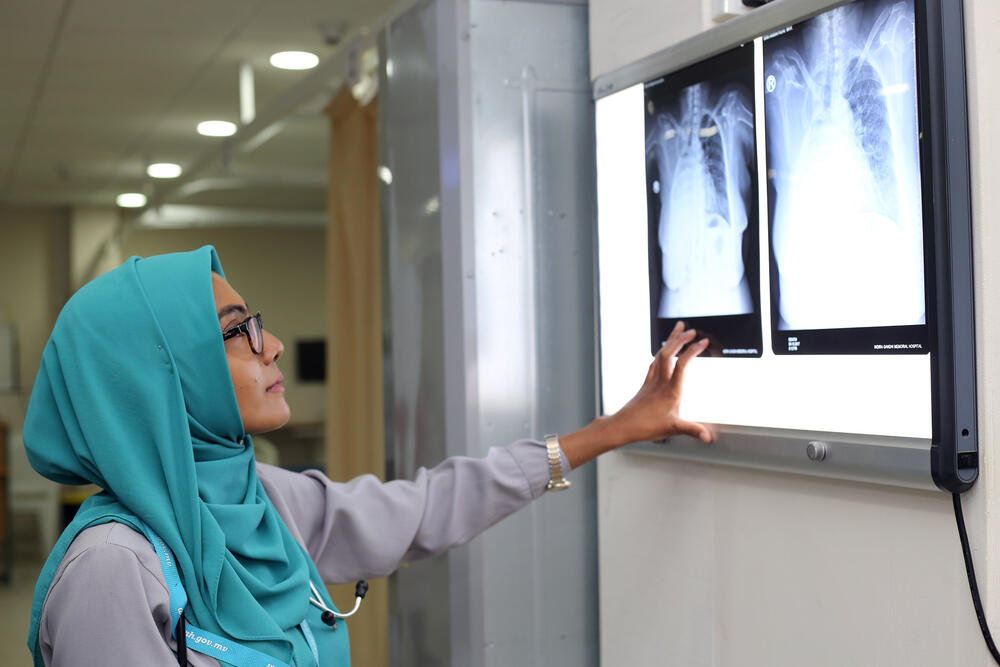
World Health Day is observed on 7 April 2026 under the theme “Together for Health. Stand with Science.” The Day calls on governments, scientists, health workers, partners, and the public to stand with science to protect lives, rebuild trust, and secure a healthier future.