

HANGZHOU, China, 28 October 2026 — As population ageing reshapes societies across Asia-Pacific, UNFPA, the United Nations Population Fund, is calling for policies that enable people to live healthier, more secure and fulfilling lives at every age, while harnessing the opportunities presented by longer life expectancy.
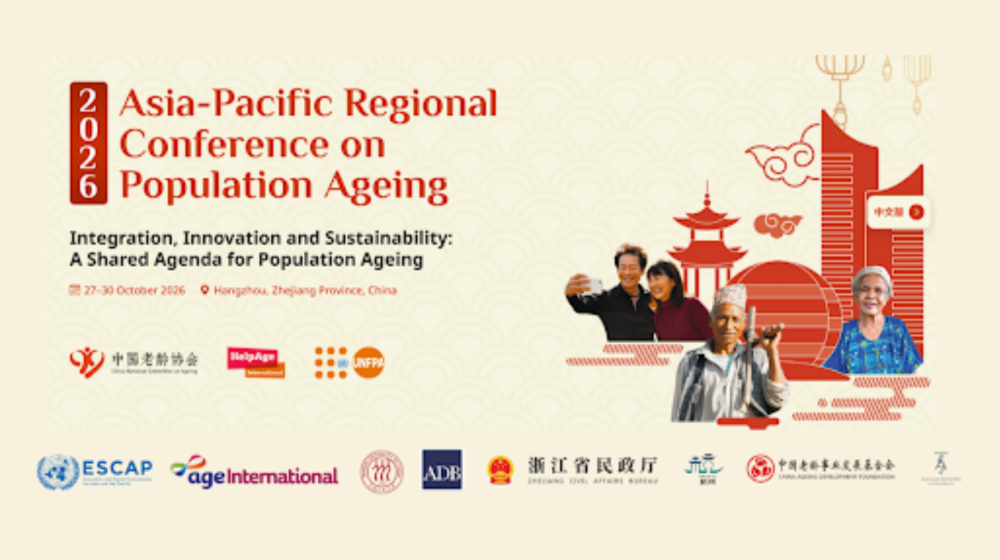
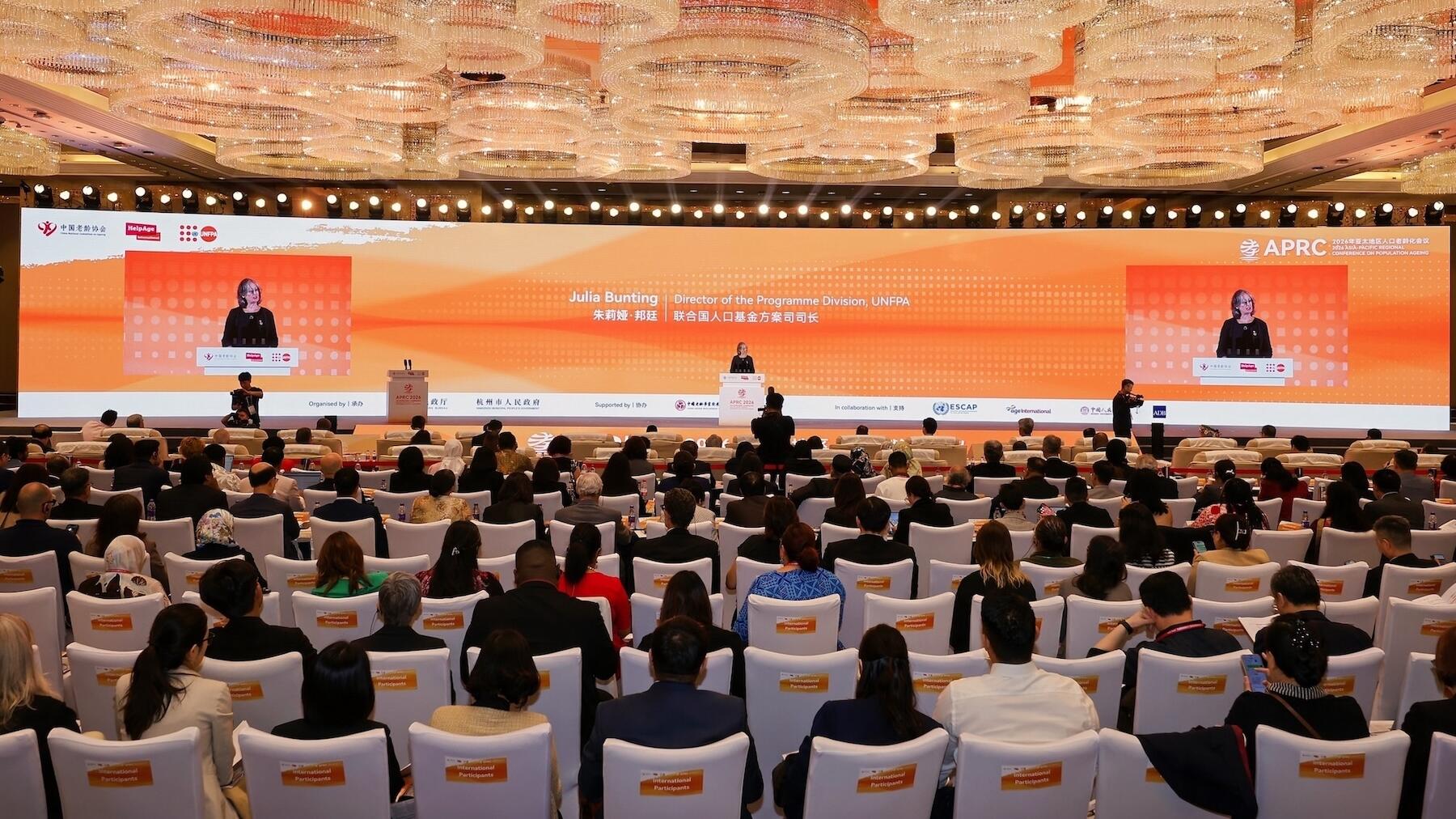
The call comes as policymakers, researchers, civil society representatives and development partners gather this week in Hangzhou for the 2026 Asia-Pacific Regional Conference on Population Ageing, co-hosted by the China National Committee on Ageing, HelpAge International, and UNFPA from 27 to 30 October.
The conference provides a regional platform to advance practical, evidence-based responses to population ageing, bringing together policymakers, researchers and development partners to explore opportunities for inclusive economic development, technological innovation, sustainable care systems and age-friendly societies.
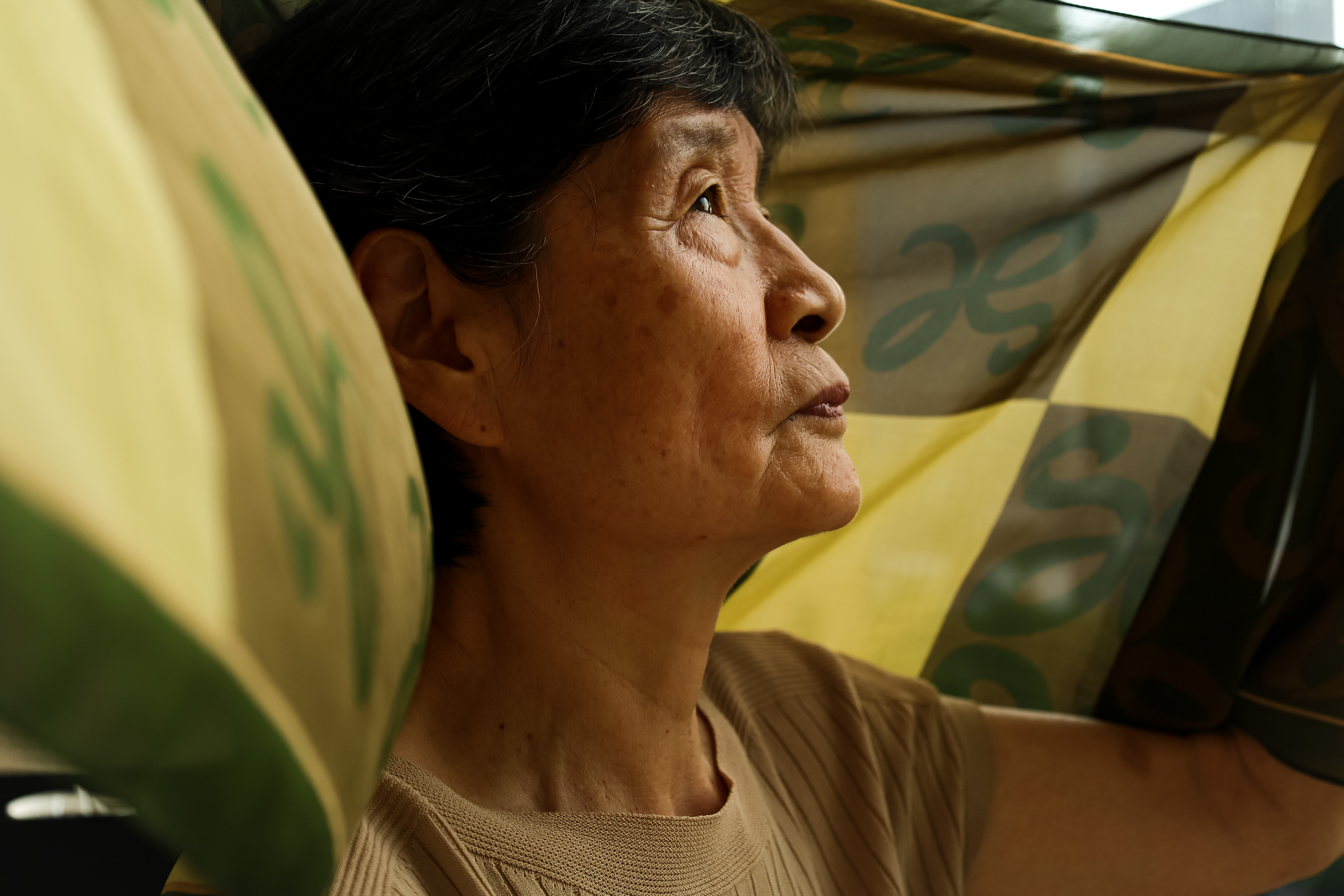
By 2050, one in four people in Asia and the Pacific will be aged 60 or older. This profound demographic shift is already reshaping economies, labour markets, healthcare systems and the ways in which families and communities provide care. Yet longer lives also reflect decades of progress in public health, education, gender equality and living standards. UNFPA is urging countries to move beyond viewing population ageing primarily as an economic burden and instead embrace a life-course approach that recognizes the connections between investments made today and wellbeing in later life.
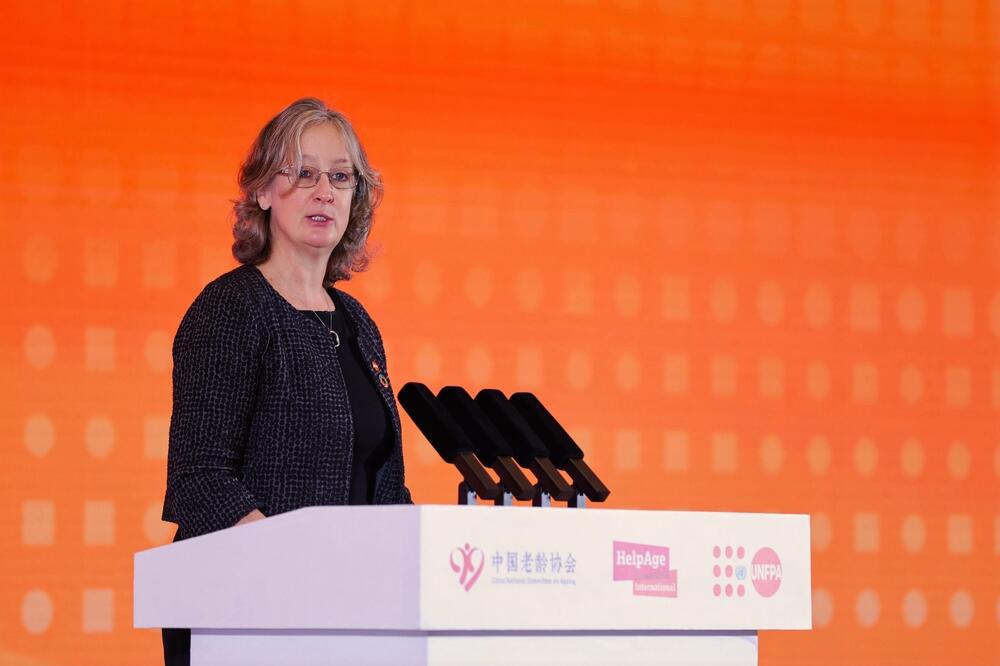
“Population ageing reflects generations of progress in public health, medicine, education and gender equality,” said Julia Bunting, Director of UNFPA’s Programme Division. “The challenge before us is to ensure that these gains translate into healthier, more productive and more fulfilling lives for everyone. Investments in health, education, decent work and lifelong learning are also investments in the well-being and resilience of our ageing societies.”
A central priority is ensuring that demographic change does not deepen existing inequalities. Across the region, unequal access to education, healthcare, decent employment and social protection continues to shape people’s opportunities throughout their lives, with consequences that extend well into older age.
Gender equality is particularly critical. In 2024, approximately 44 per cent of women in Asia and the Pacific participated in the labour force, compared with 74 per cent of men. At the same time, women perform around 80 per cent of unpaid care work in the region. Expanding access to quality care services, social protection and decent employment can strengthen women's economic participation while supporting the dignity, independence and wellbeing of older persons.
Beyond social care, the conference highlights the economic power of an ageing population and the roll-out of new technologies like AI. When paired with digital skills training and strong safety nets, these innovations can transform healthcare, promote independent living, and help older adults remain active, valued members of their communities.
"To turn these opportunities into reality, UNFPA works across the Asia and Pacific region alongside governments to translate population data into smart, rights-based policies", said Pio Smith, UNFPA Regional Director for Asia and the Pacific. "Demographics lay the groundwork, but proactive leadership builds the future."
About UNFPA
UNFPA, the United Nations Population Fund, is the United Nations sexual and reproductive health agency, working to uphold the rights and choices of women, girls and young people across more than 150 countries and territories. It reaches millions of women, girls and young people with essential health services, protection from violence, and vital information about their bodies and rights. It also helps governments plan for changing demographics, to build inclusive and resilient societies.
Media Inquiries
Katie Elles
Regional Communications Advisor
UNFPA Asia-Pacific Regional Office, Bangkok
elles@unfpa.org