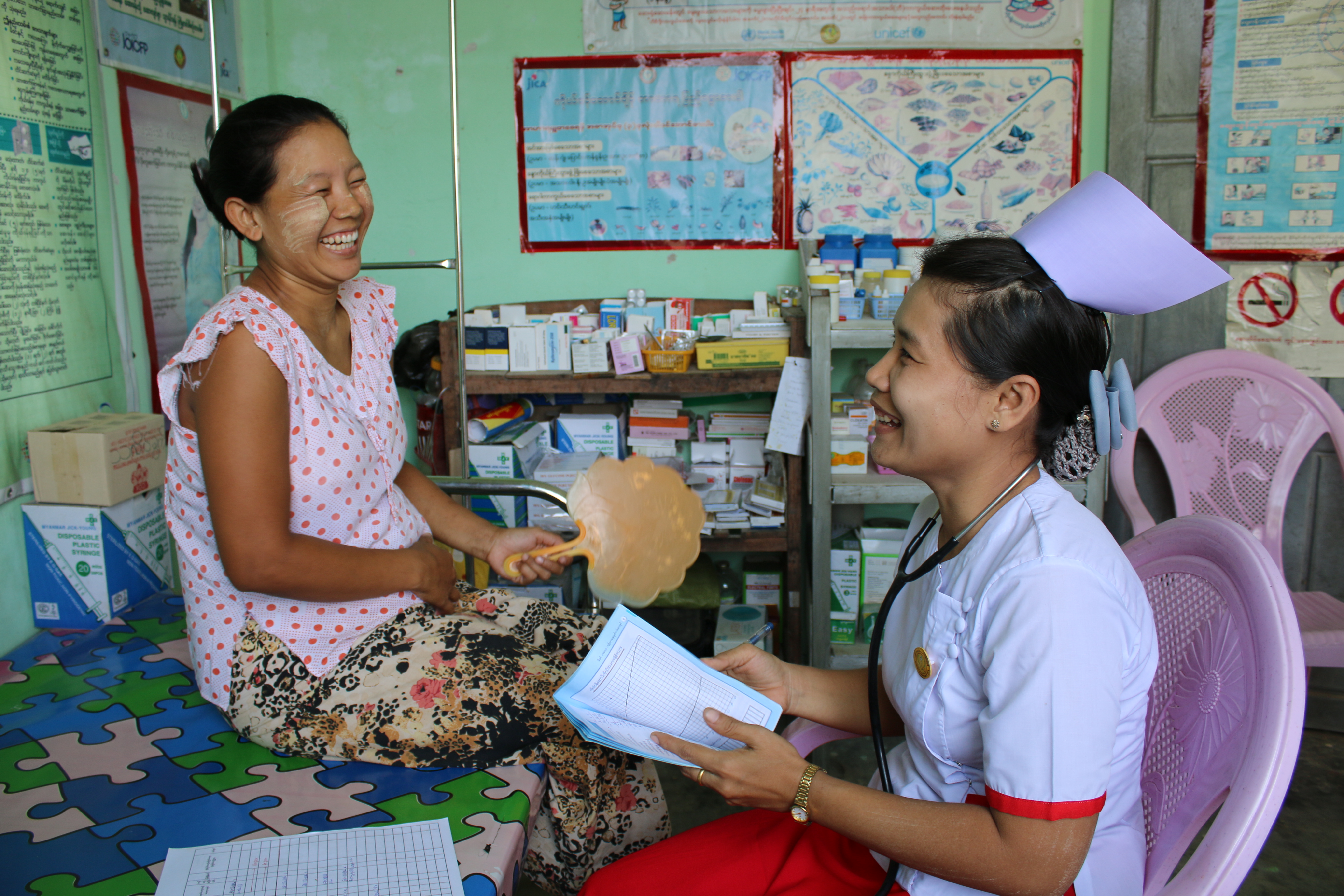


Midwives are central to strong, resilient health systems. They save lives, expand access and sustain care, even in the most challenging settings. But the world is short one million of them, with many countries across Asia and the Pacific experiencing critical gaps.
The challenge is clear: we need to invest in midwives. Here are five reasons it is critical for the region.
1. Midwives save lives
‘Midwives save lives’ is more than a slogan. Investing in midwives is one of the most effective ways to prevent maternal and newborn deaths in the world. Across Asia and the Pacific, sustained investment helped drive a striking 65 percent reduction in maternal mortality between 2000 and 2023, and a 62 percent reduction in neonatal mortality since 1990.
But in recent years, progress has been slowing, and too many countries are falling behind. Funding gaps are making it harder to prevent these avoidable tragedies. It doesn’t have to be this way. In Bangladesh, investment in midwifery education and deployment contributed to a 43% drop in maternal mortality in just eight years, demonstrating how quickly progress can accelerate when skilled care is prioritized.
2. Midwives reach those that are often left behind
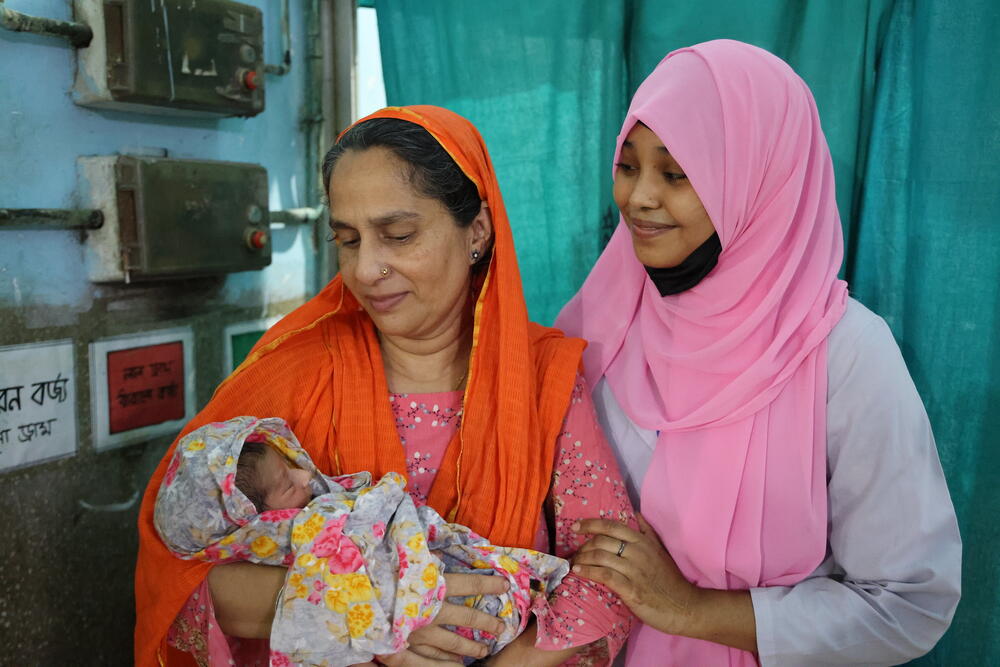
Midwives connect health systems to the most underserved populations. In a region as geographically and culturally diverse as Asia and the Pacific, they are often the first and sometimes only point of care for women and young people, providing confidential, non-judgmental, and age-appropriate sexual and reproductive health and gender-based violence services and information.
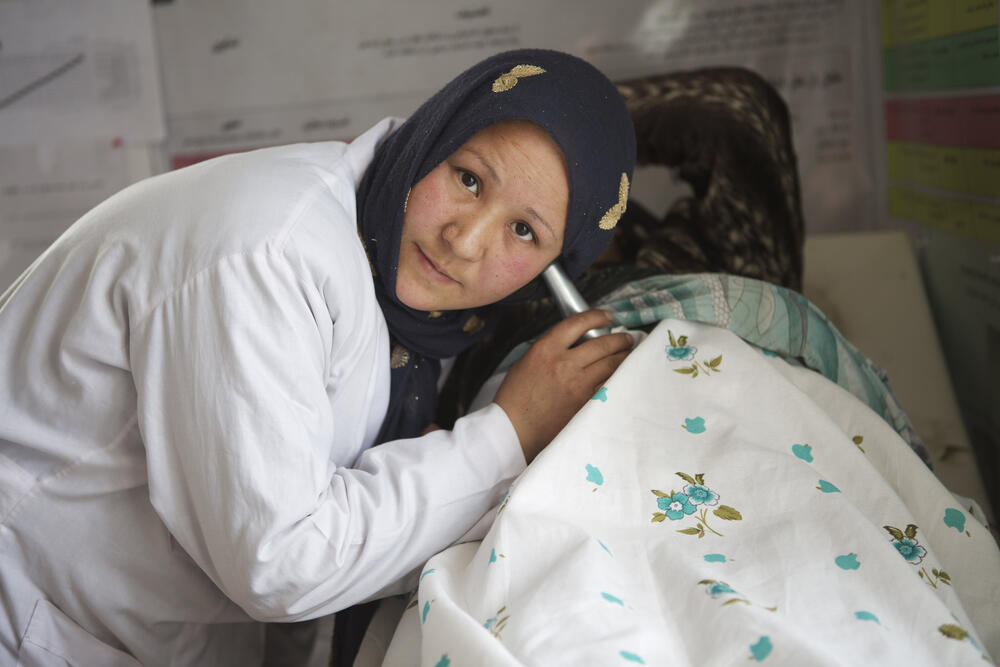
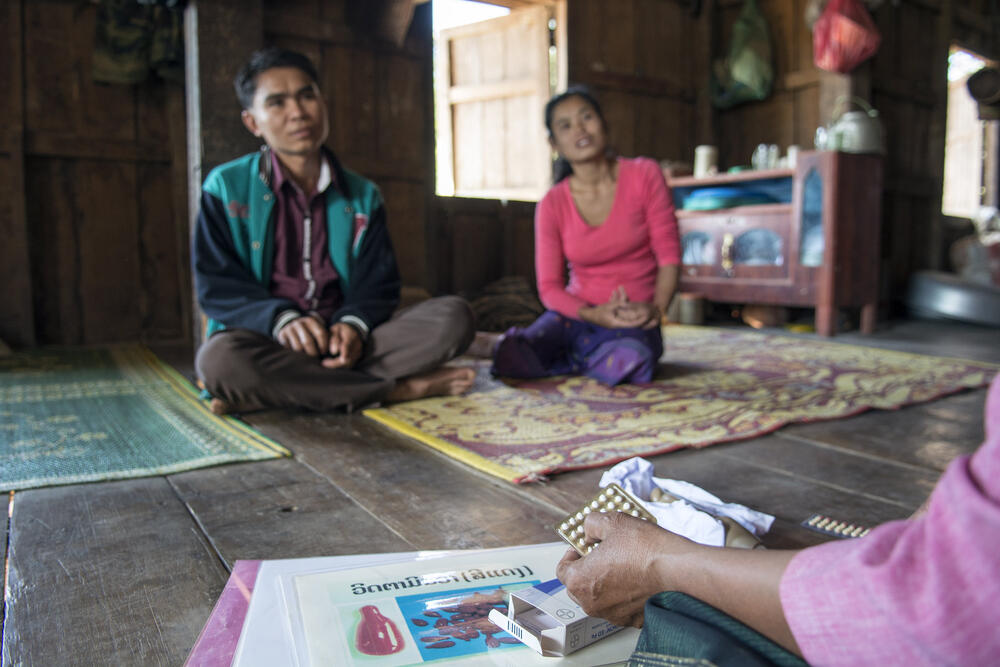
From UNFPA-supported family health houses in Afghanistan bringing services closer to remote communities, to ethnic minority midwives in Lao PDR delivering trusted, culturally sensitive care in local languages, midwives are breaking down barriers that go far beyond distance. Midwives are also on the front lines of efforts to end female genital mutilation (FGM) in countries like Indonesia, using their trusted role in communities to challenge harmful myths and offer counsel to families to abandon this harmful practice.
3. Midwives are on the frontlines of the climate crisis
Asia and the Pacific is among the regions most vulnerable to climate change, and midwives are on the frontlines of its health impacts. From managing heat stress risks during pregnancy to delivering care during climate-related disruptions, they are helping communities cope with the health impacts of a warming world.
UNFPA is working with partners to strengthen midwives’ skills and support systems, including by developing targeted training and guidance on climate-related health risks like heat stress, as well as preparedness for crisis and emergency settings. Equipping midwives to respond to these growing challenges means investing in their training now.
4. Midwives are essential in humanitarian settings
Across Asia and the Pacific, crises from natural disasters to conflict are disrupting care and putting health workers, women and girls at risk. In these emergencies, midwives are often the first and only providers of life-saving sexual and reproductive health services and protection from gender-based violence, often at great personal risk.
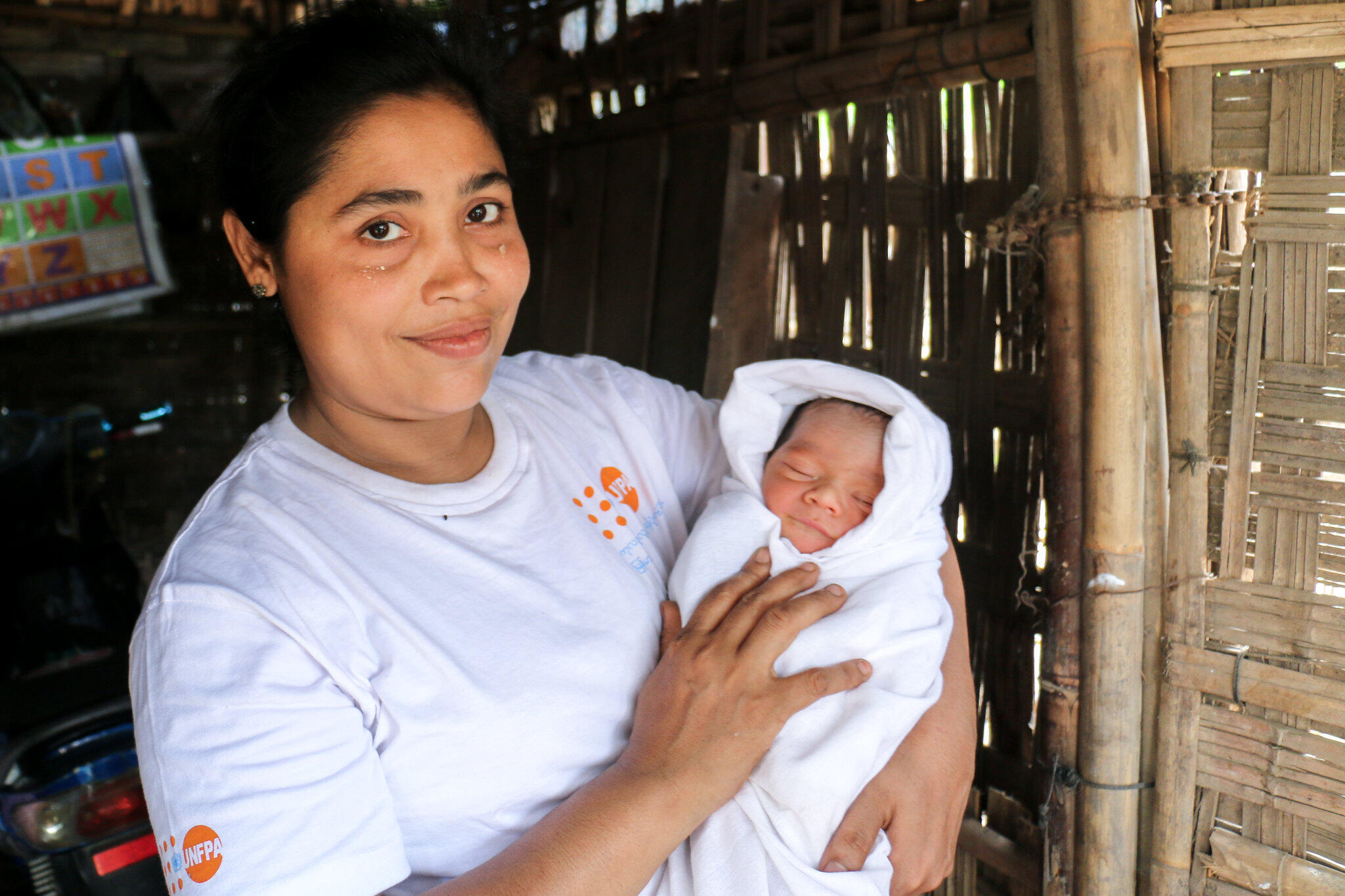
But these same crises are also eroding the workforce. In Myanmar, political challenges, attacks on health-care facilities and natural disasters have seen the number of midwives fall by more than 41 per cent between 2020 and 2023, sharply reducing access to essential care.
In crisis settings, investing in the safety, protection and empowerment of midwives is urgent and essential.
5. Midwives are one of the smartest investments for universal health coverage
Midwives can deliver up to 90 percent of essential sexual and reproductive health services, from safe childbirth to preventing unintended pregnancies, unsafe abortions, mother-to-child transmission of HIV, unnecessary caesarean sections and responding to gender-based violence. Investing in midwifery is an investment in health equity, ensuring that the promise of Universal Health Coverage translates into high-quality care regardless of location or economic status.
And the return is clear: Strengthening midwifery not only improves health outcomes for women and newborns, but also reduces costs across the health system by preventing complications and easing pressure on higher-level services. Every dollar invested can yield up to a 16-fold return on investment, improving health outcomes while strengthening entire health systems.
International day of the Midwife is marked on 5 May 2026 under the theme “One Million More Midwives”. The theme is a call for action, demanding urgent investment in midwifery education, employment, regulation and leadership to close the global midwifery gap.