


Female genital mutilation (FGM) is often mistakenly framed as a problem affecting “other regions.” Data from the United Nations Population Fund (UNFPA) and UNICEF shows that, in Asia, this misconception has slowed action, limited investment, and kept millions of girls and women invisible.
The reality is more complex and more urgent.
Myth 1: FGM is not a widespread problem in Asia
Fact: Around 80 million girls and women in Asia are estimated to have undergone FGM, representing roughly one-third of the global total. The practice has been documented across multiple countries in South-East Asia and the wider region. Yet it remains largely absent from public discourse, policy debates, and funding priorities, reinforcing the false idea that it is marginal or isolated.
Myth 2: It’s rare, so it’s not a priority.
Fact: FGM in the region is under-measured, leading to systemic underestimation of its prevalence. Many countries lack nationally representative prevalence data, and where data exists, it is often outdated or partial. This creates a cycle of invisibility: limited data leads to low political attention, which in turn leads to limited investment in better data. Absence of evidence is repeatedly mistaken for absence of harm.
Myth 3: FGM here is “different” or causes little harm.
Fact: In parts of Asia, FGM is sometimes described as symbolic, minor, or non-invasive. This framing minimizes risk, normalizes continuation, and weakens accountability. All forms of FGM are human rights violations and can have physical, psychological, and social consequences, including pain, infection, trauma, and long-term health complications. Downplaying harm delays prevention and protection.
Myth 4: It’s purely cultural or religious — and therefore untouchable.
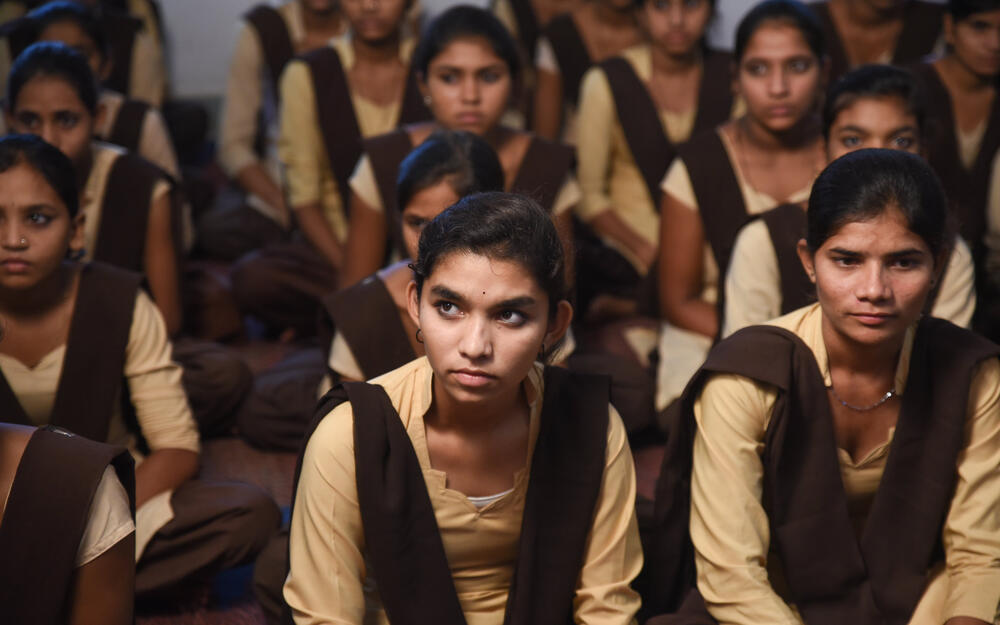
Fact: While social norms, tradition, and belief systems influence the practice, FGM is sustained by silence, misinformation, and lack of clear opposition. In the region, the perception that FGM is religiously or culturally required has been particularly difficult to challenge. Evidence shows that when communities engage in open dialogue, including with faith leaders, educators, parents, and young people, norms can and do shift.
Myth 5: If health professionals perform it, it’s safer.
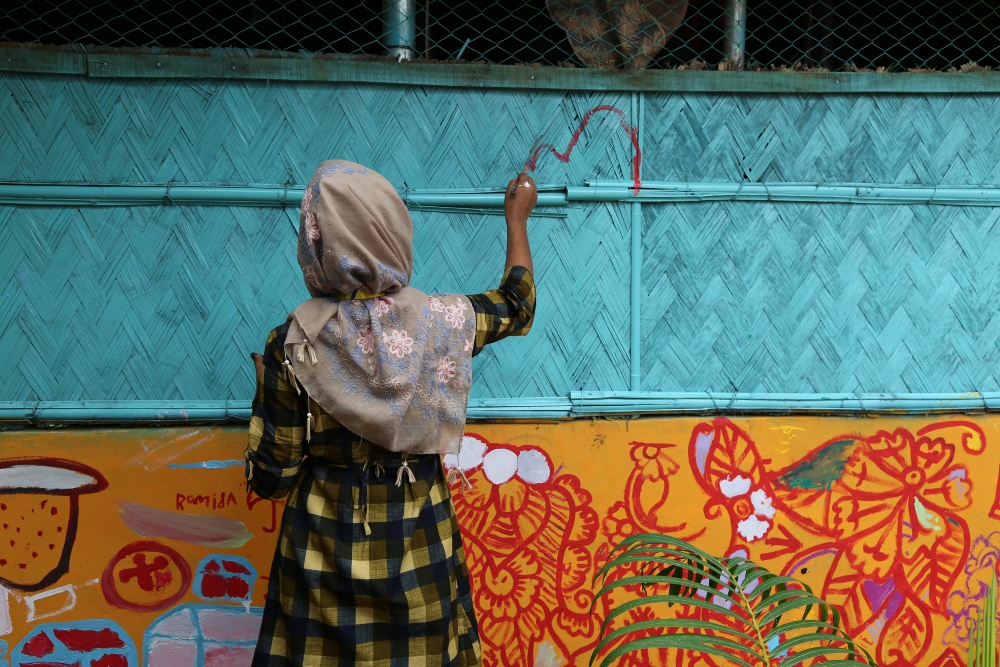
Fact: Medicalization is a defining challenge in Asia. In several countries, FGM is increasingly carried out by health workers, often during infancy or early childhood. This does not reduce harm. Instead, it legitimizes the practice, embeds it within health systems, and undermines professional ethics. Medicalization can make FGM harder to detect, challenge, and prevent.
Myth 6: Awareness campaigns are sufficient to end FGM.
Fact: Awareness is necessary but insufficient. Ending FGM requires sustained, multisectoral action — including health, education, justice, child protection, and social welfare systems. Most countries in the region lack comprehensive, costed national strategies with clear targets, dedicated budgets, and monitoring frameworks. Without political leadership and financing, efforts remain fragmented and short-term.
Myth 7: Asia is lagging behind global efforts.
Fact: Momentum is building. Governments, civil society, professional associations, and UN partners are increasingly coordinating at national and regional levels. New partnerships are emerging to strengthen regional accountability, address medicalization, and close data gaps. What is needed now is sustained investment to match the scale of the issue.
Ending FGM in Asia is not about imposing external solutions. It is about confronting long-standing myths, recognizing region-specific drivers, and investing in coordinated, rights-based action. The silence surrounding FGM in the region has lasted too long.
The opportunity to change course is here. It must not be missed.