

KUALA LUMPUR, 11 November, 2025: Southeast Asia is undergoing a significant demographic transformation, marked by rapid declines in fertility, rising longevity, urbanization, and increasing mobility.
Across the region, population age structures are shifting at different speeds, with some countries experiencing rapid population ageing, while others continue to benefit from large youthful populations.
These changes bring diverse challenges and opportunities for health and care systems, social protection, education, family support policies, and labour markets overall.
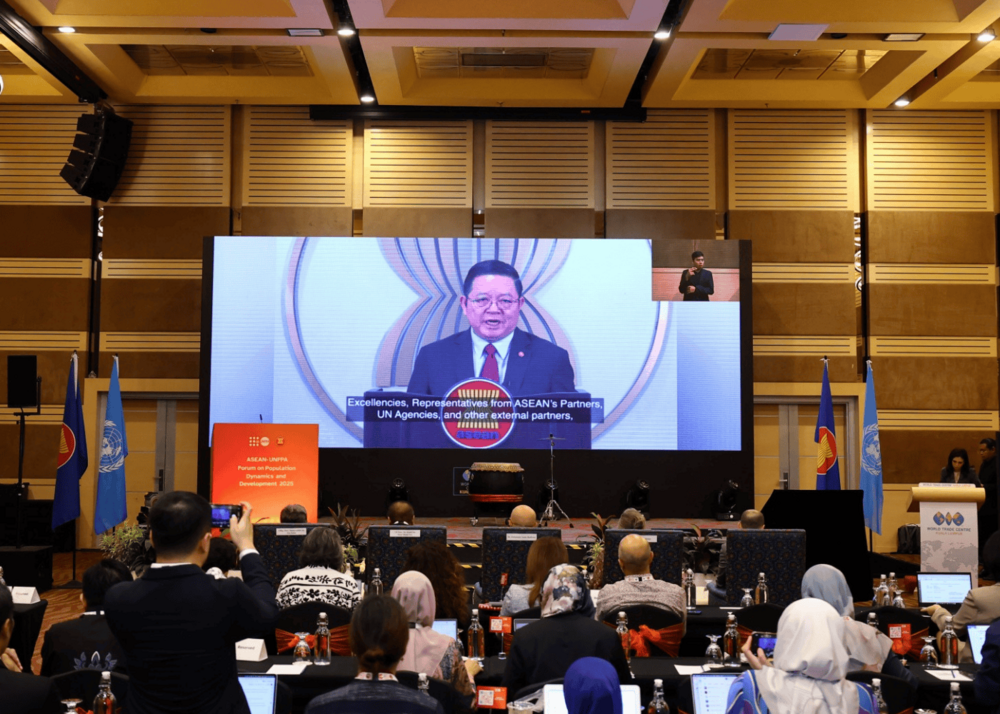
The ASEAN Socio-Cultural Community Department (SOCA) of the ASEAN Secretariat in Jakarta and the UNFPA Asia and the Pacific Regional Office convened the ASEAN-UNFPA Forum on Population Dynamics and Development in Kuala Lumpur on 10 and 11 November 2025 to exchange comparative insights, explore policy approaches, and support national and regional planning.
The Forum was inaugurated with remarks from high-level government officials including, H.E. Dr Kao Kim Hourn, Secretary-General of ASEAN, The Honorable Dato’ Shaharuddin bin Abu Sohot, Secretary General, Ministry of Tourism, Arts, and Culture, Government of Malaysia, and Chair of Senior Officials’ Committee for ASEAN (SOCA), and The Honourable Dato' Dr. Ramli bin Dato' Mohd Nor, Deputy Speaker of the House of Representatives, Parliament of Malaysia.
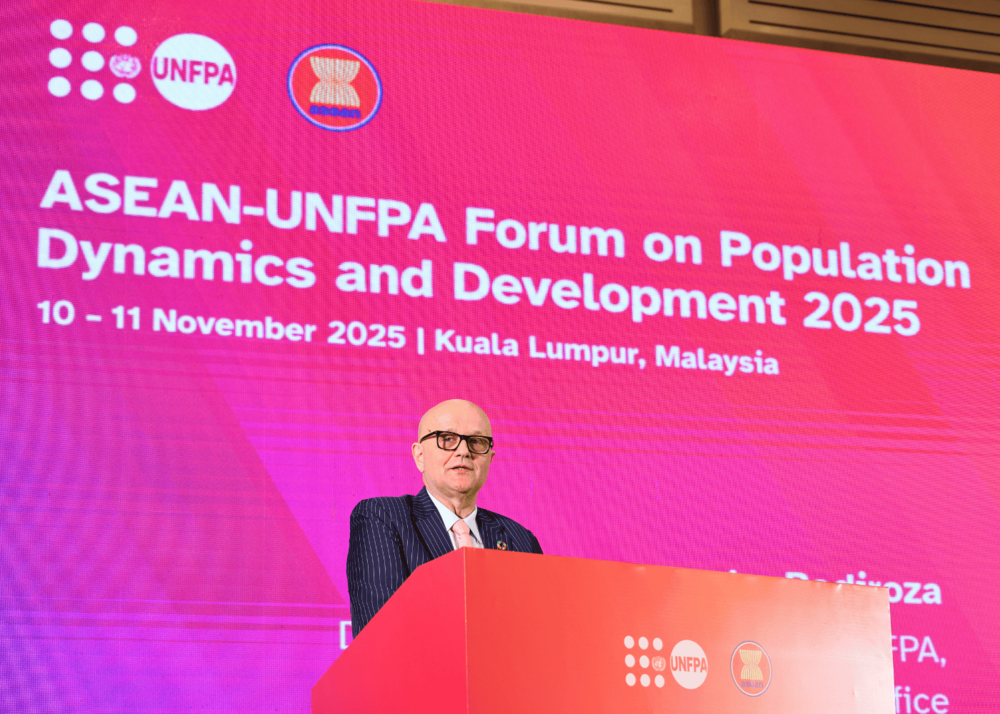
Delivering the opening keynote address, Deputy Regional Director for UNFPA Asia and the Pacific, Dr. Aleksandar Bodiroza said, “The economic case for investing in rights and choices is undeniable. New UNFPA research shows that every $1 invested in the health and education of girls delivers a return of nearly $10. Will we be a region that invests in the potential of every girl, or one that leaves talent behind? Will we honor elders as the active mentors they are, or will we see them as a burden? We stand at a pivotal moment. Investments in rights and opportunity allows families to thrive, societies to prosper, and economies to grow stronger.”
Over the two days, the Forum featured thematic discussions on ageing, youth, fertility, families, and migration with a programme designed to enable practical reflections on policy and programmatic innovations, national priorities, and opportunities for collaboration among ASEAN Member States. Participants included senior officials from Ministries of Social Welfare, Labour, Health, Education, Planning and Finance, Representatives of ASEAN Sectoral Bodies, alongside National Statistics Institutions, and Social Protection Agencies.
The Forum reflects ASEAN’s commitment to forward-looking, rights-based, and inclusive strategies that strengthen resilience and advance the ASEAN Community Vision 2045. The Forum also reflects UNFPA’s commitment as a key partner to ASEAN by strengthening data, policy analysis and technical expertise to enhance national and regional capacity to adapt to demographic change.