

Laws are meant to protect women and girls. Yet across Asia and the Pacific, for millions, justice and rights remain out of reach - from access to sexual and reproductive health and rights to protection from gender based violence and harmful practices.
At their best, laws can be powerful tools for equality. But at their worst, they can reinforce the very inequalities they are meant to address. Across the region, discriminatory laws, weak legal protections and harmful social norms continue to erode the rights of women and girls. When laws are not implemented or enforced, justice and rights cannot prevail.
Justice systems must evolve to meet these challenges. Here are five ways to strengthen justice and rights for women and girls across Asia and the Pacific.
1. Protect women’s bodily autonomy under the law
In Asia and the Pacific, less than 6 in 10 women enjoy full bodily autonomy, meaning they are able to make their own decisions about their health care, contraception and sexual relationships.
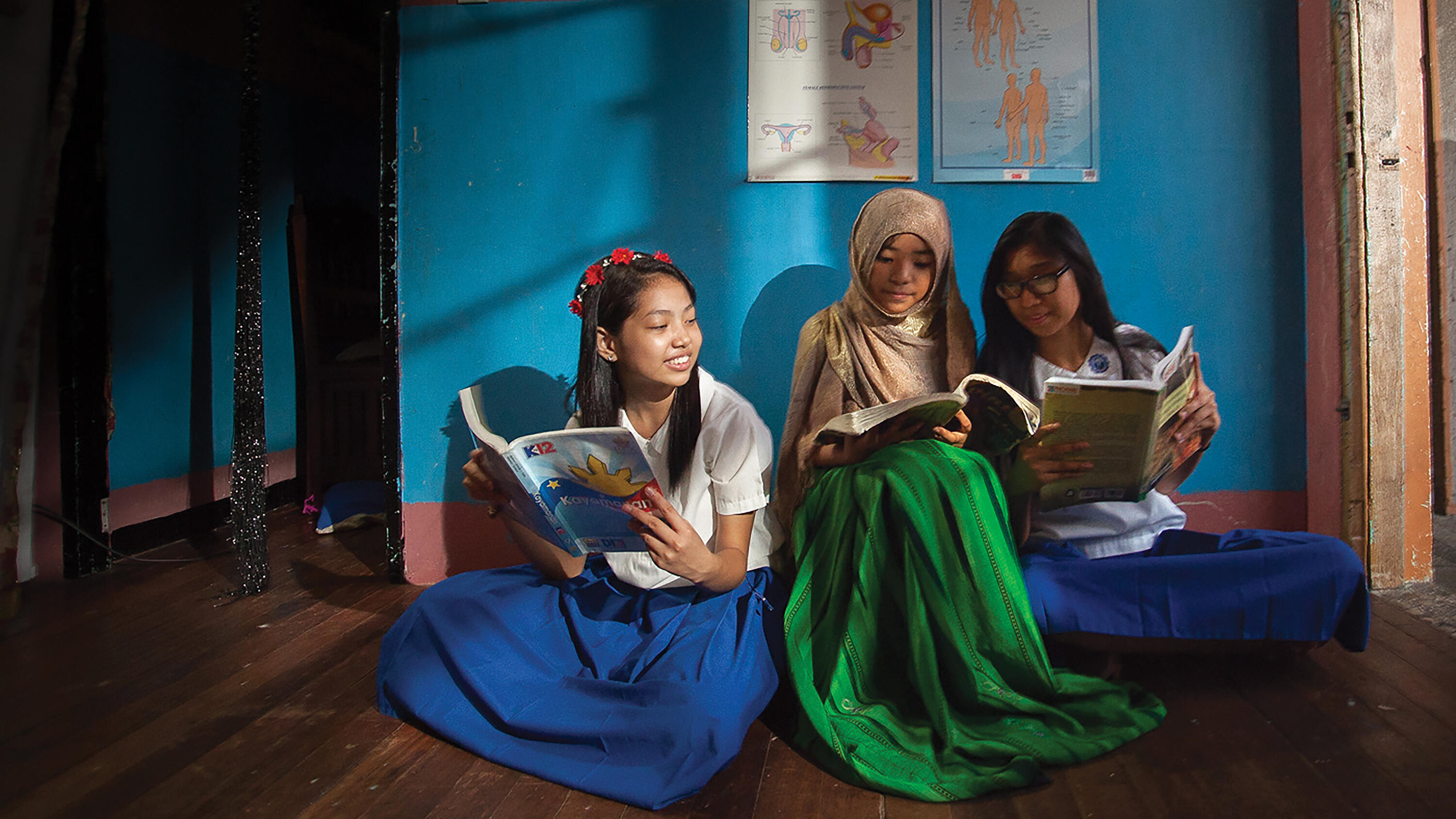
Many countries have taken steps to recognize sexual and reproductive health and rights in national laws. Yet, restrictive practices and plural legal systems often undermine these commitments. In some contexts, women and girls must obtain third-party consent to access contraception or safe delivery care and comprehensive sexuality education remains limited.
Strengthening legal protections and removing barriers to reproductive health services is essential to ensure women and girls can fully exercise their rights.
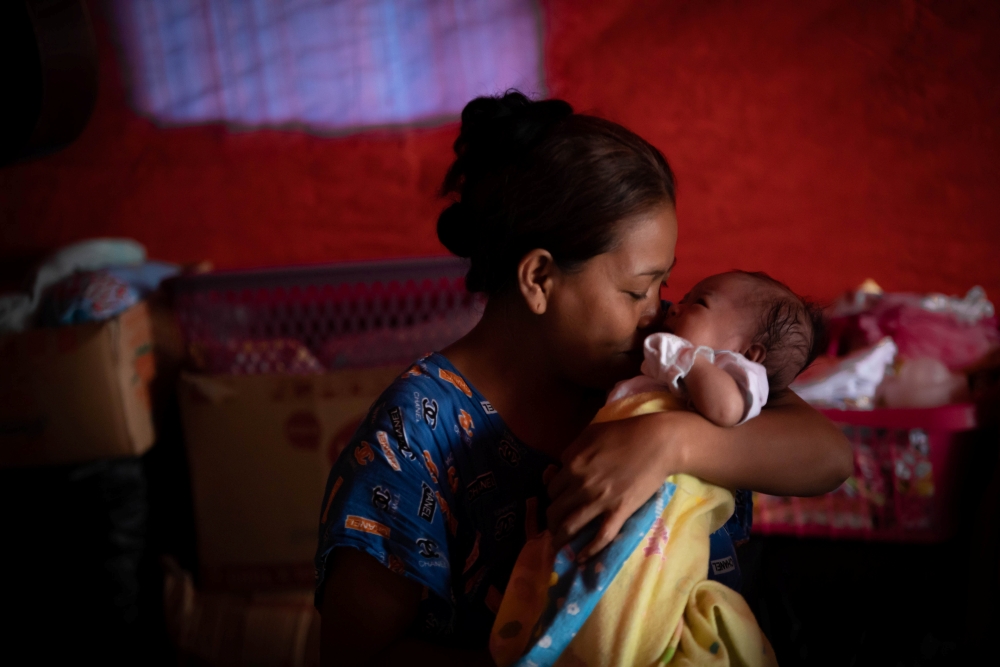
2. End impunity for gender-based violence and harmful practices
Gender-based violence takes many forms in Asia and the Pacific, including intimate partner violence, so-called honour killings, dowry-related abuse, childhood and adolescent sexual violence, sexual harassment, early and forced marriage, daughter discrimination that can result in gender-biased sex selection and female foeticide and other harmful practices.
Despite legislative progress in many countries, weak enforcement of laws, deeply entrenched and persistent patriarchal social and gender norms continue to perpetuate s violence and harmful practices in the region.
Intimate partner violence remains the most widespread form. Between 10 and nearly 64 percent of women in the region report having experienced physical or sexual violence by an intimate partner at some point in their lives. Most cases go unreported.
Although some countries have strengthened legal protections, enforcement often remains weak. Survivors often face underfunded support services, limited access to legal aid and court systems that can retraumatize or even criminalize them.
Justice systems must strengthen survivor-centred responses, improve access to legal aid and ensure perpetrators are held accountable.
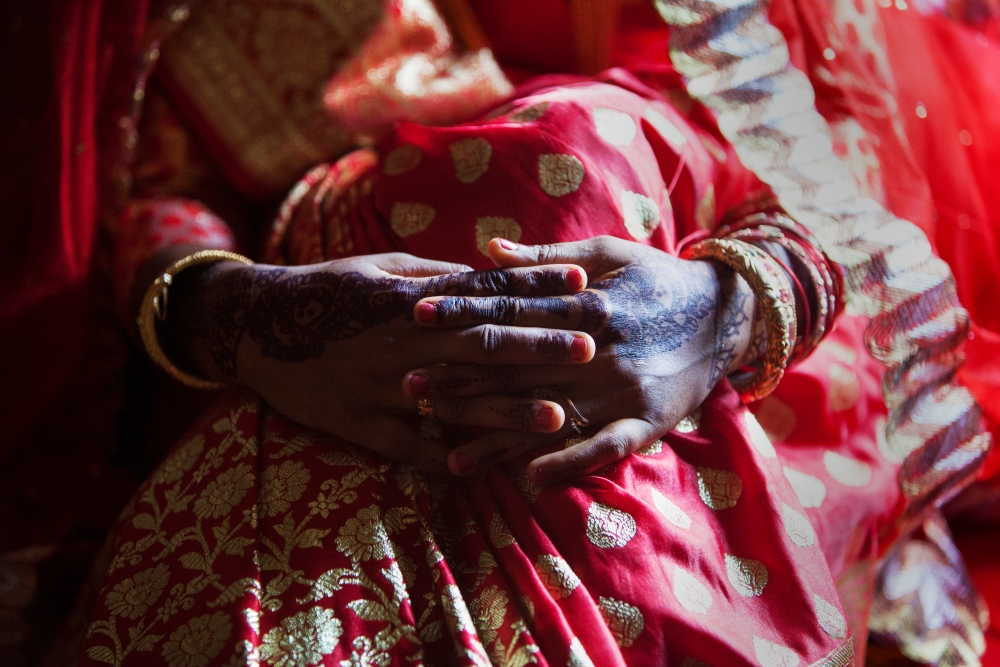
3. Ensure safety online and offline
As the Asia-Pacific region becomes increasingly digital, technology is also being used to enable, assist or amplify abuse. Technology-facilitated gender-based violence, including online harassment, cyberstalking and the non-consensual sharing of images, is becoming more common. It often leads to offline perpetration of violence or vice versa.
Globally, up to 38 per cent of women and girls have experienced online violence, while 85 per cent have witnessed it against others. Yet legal systems are failing to keep pace with these new forms of harm. Without stronger protections, online violence can silence women and limit their access to information, education and economic opportunities.
Justice and support systems must adapt to the digital age to address online abuse and protect women and girls both online and offline.
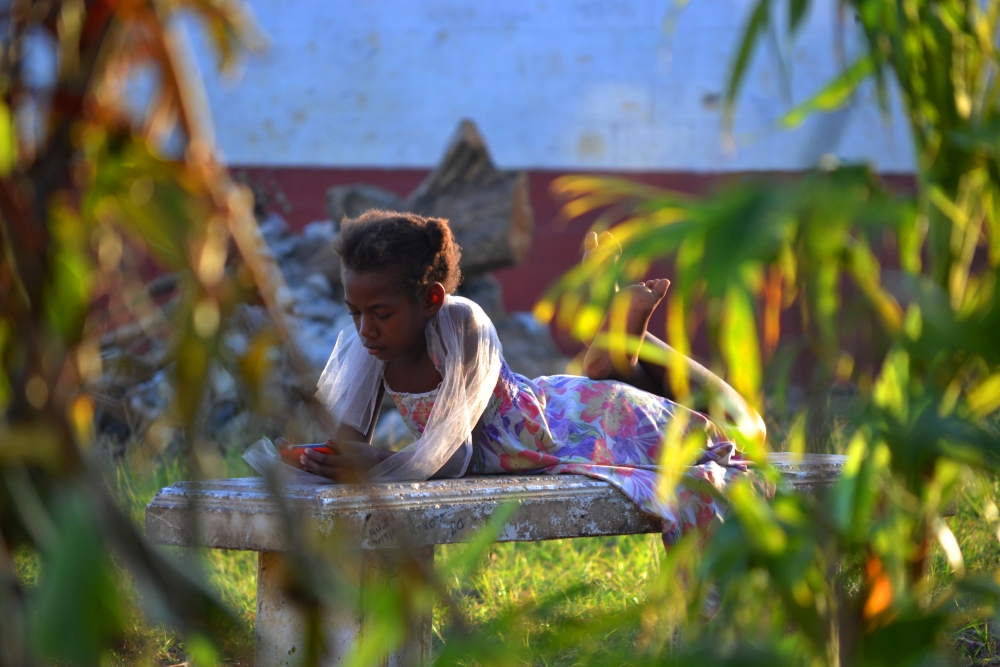
4. Protect women’s rights in humanitarian crises
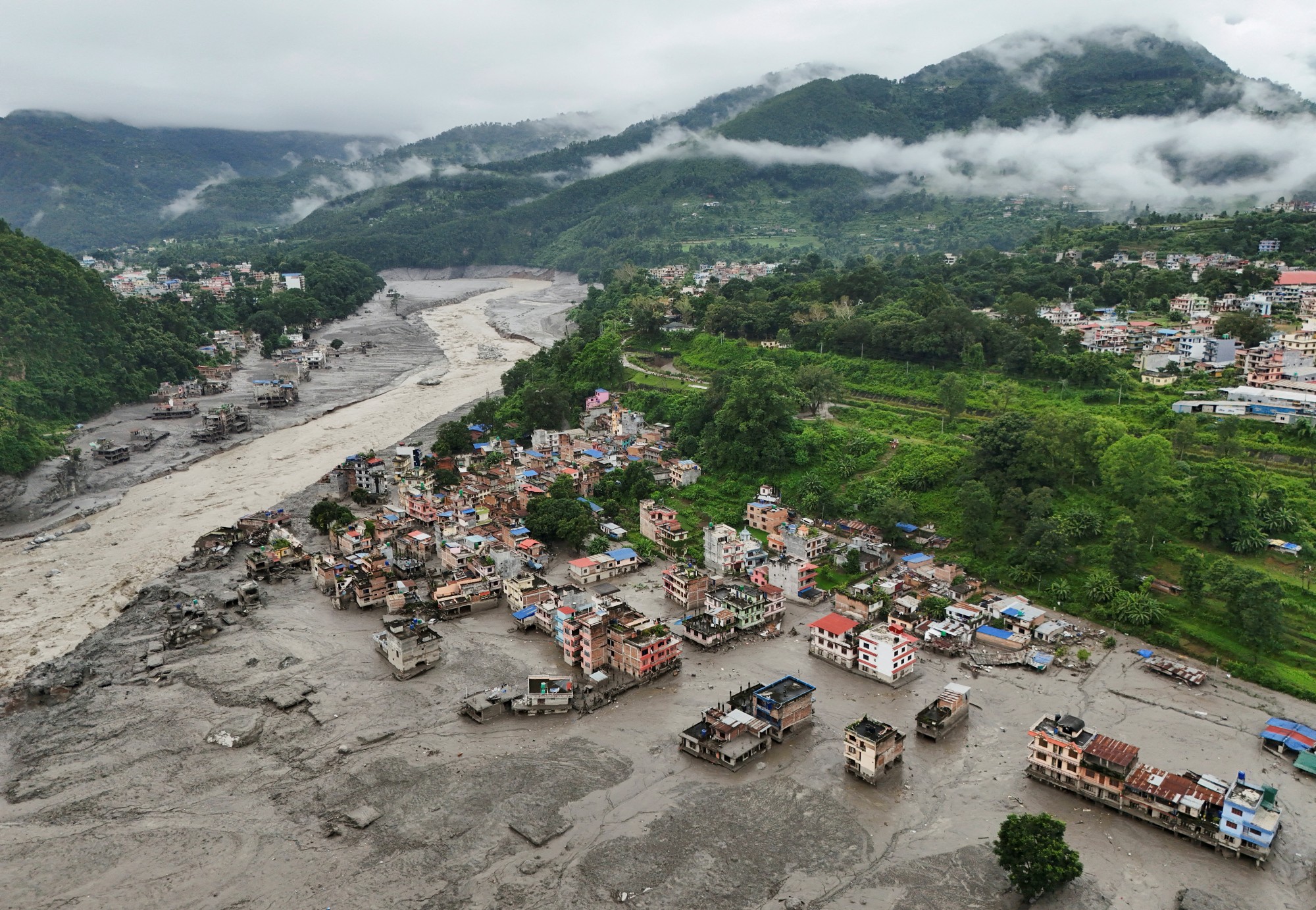
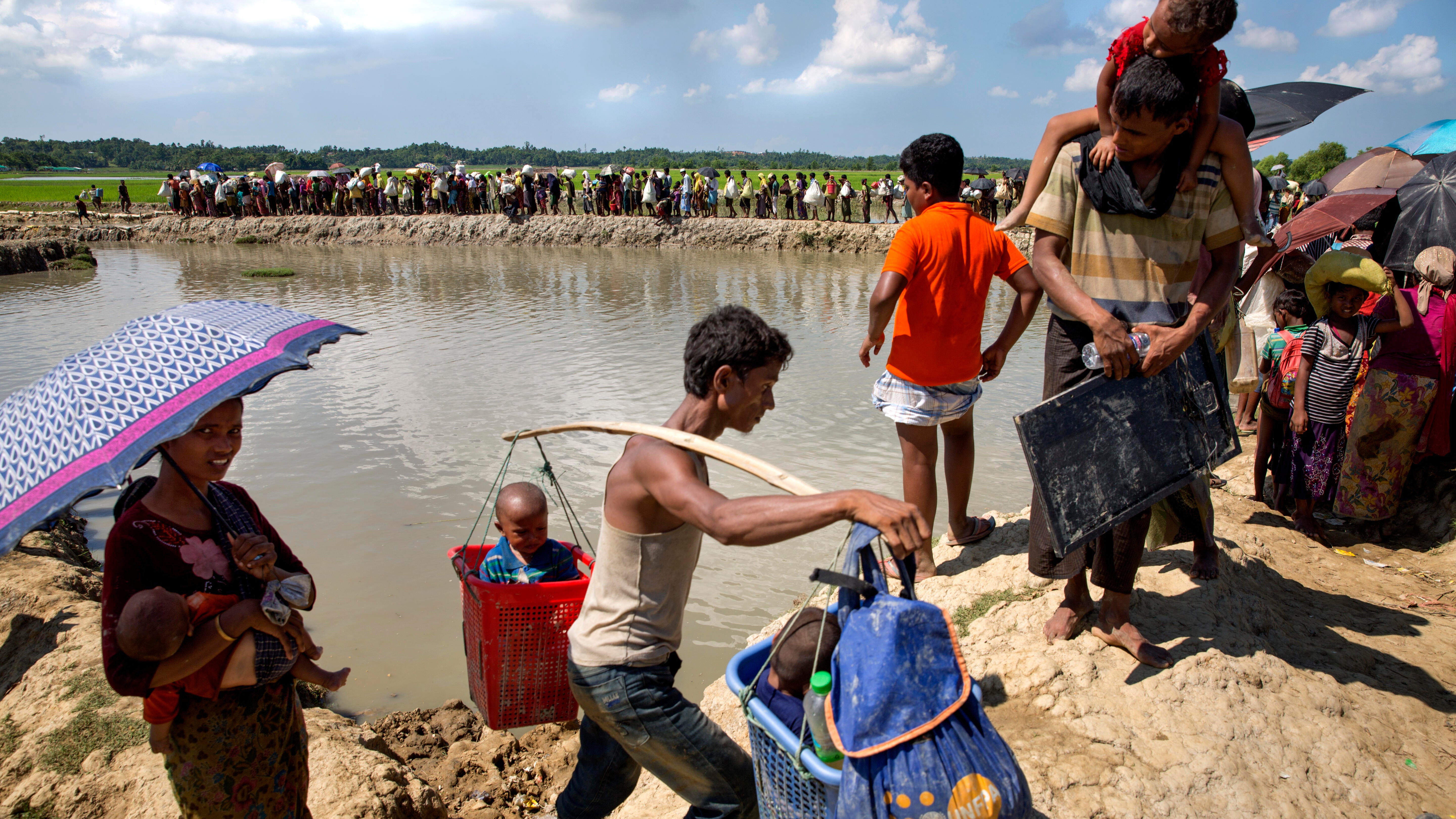
Humanitarian settings magnify existing inequalities. Too often, women and girls become direct or indirect targets of conflict when maternal health facilities are bombed, contraceptive supply lines are disrupted, or sexual violence is wielded as an instrument of war. Climate change is also intensifying these crises. Asia and the Pacific is the most disaster-prone region in the world, making it harder for women and girls to access protection and essential services.
In the region, an estimated 10.8 million women and girls of reproductive age need humanitarian assistance and more than 20 million people require services to prevent and respond to gender based violence.
Access to life-saving health care is protected under international humanitarian law, and violations of sexual and reproductive health and rights must be investigated and held accountable.
Justice systems must continue to function even in emergencies, extending protection and ending impunity in crisis settings.
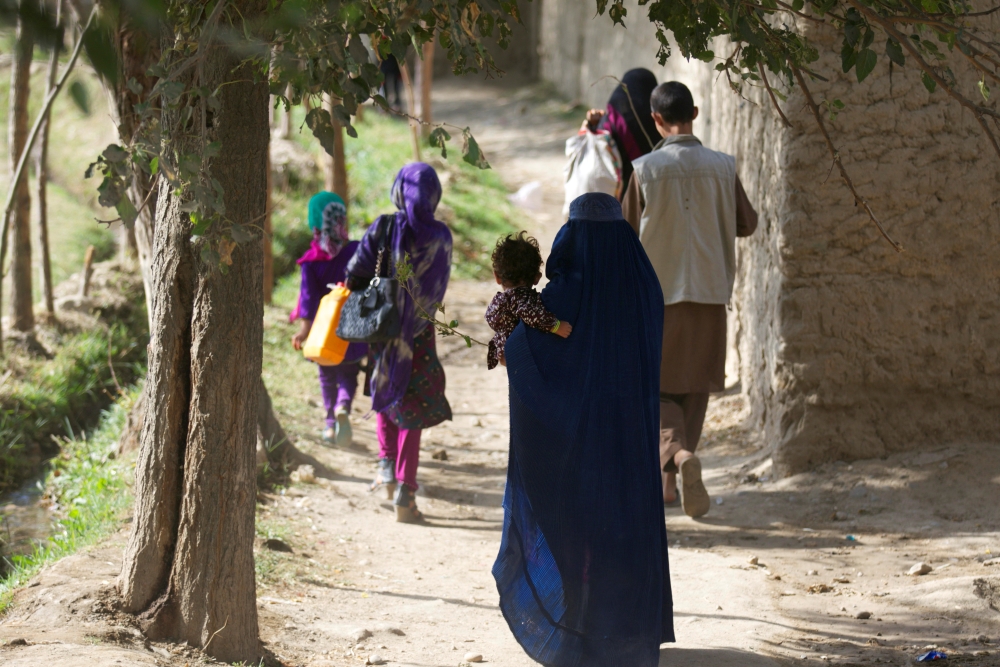
5. Turn legal protections into real justice
Even where laws exist, implementation often falls short. Research shows major gaps exist between formal recognition and actual practice. Rights on paper do not automatically lead to justice in daily life.
True accountability requires comprehensive and disaggregated data on violations of sexual and reproductive health and rights, gender based violence and harmful practices. It also depends on strong multi-stakeholder partnerships.
UNFPA is working with governments and partners, including through the UN Joint Programme to prevent gender-based violence in South-East Asia, and with National Human Rights Mechanisms to increase accountability, strengthen legal and policy frameworks, improve evidence-based policy making and engage stakeholders in preventing and responding to violence.
For justice systems across Asia and the Pacific, the challenge is clear. Laws must not only exist but be enforced fairly and consistently, including for those who belong to the most vulnerable and marginalized groups. When justice systems uphold the rights of women and girls, they strengthen the rule of law, promote equality and contribute to more peaceful and resilient societies.
International Women’s Day is observed on 8 March under the theme “Rights. Justice. Action. For ALL women and girls.” The Day is a call to action to dismantle the barriers that stand in the way of equal justice: discriminatory laws, weak legal protections, and harmful practices and social norms that undermine the rights of women and girls.