EN
Go Back Go Back
Go Back Go Back
Go Back Go Back
Go Back Go Back
Go Back Go Back
Go Back Go Back
Go Back Go Back
Go Back Go Back
Go Back Go Back

Change Calls Us Here: UNFPA at the Women Deliver 2026 Conference

Share

Photos

Change Calls Us Here: UNFPA at the Women Deliver 2026 Conference

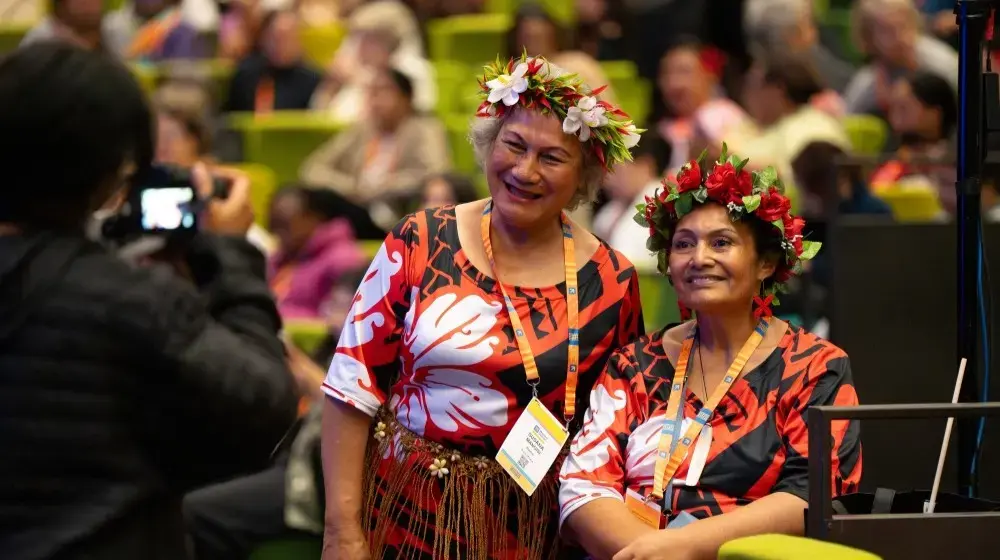
Against a backdrop of mounting pressure on the rights of women and girls, the Women Deliver 2026 Conference convened in Narrm (Melbourne), Australia, from 27 to 30 April, hosted in the Pacific region for the first time.

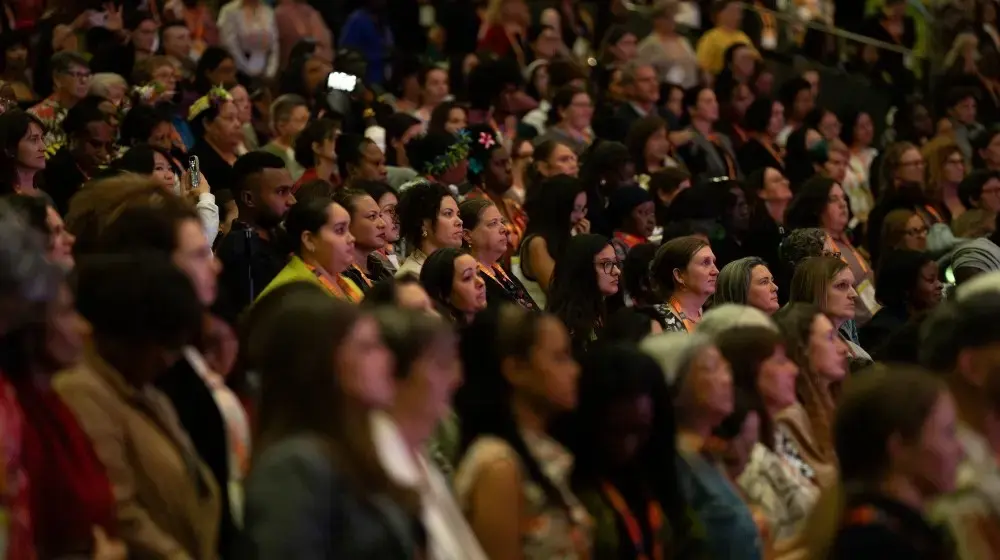
One of the world’s largest gatherings dedicated to gender equality, the conference brought together advocates, policymakers and leaders from around the world to confront shared challenges, strengthen partnerships and align on action to defend and advance the rights of women and girls.

Photos: UNFPA in Asia and the Pacific/Nicholas Parkin
Photos

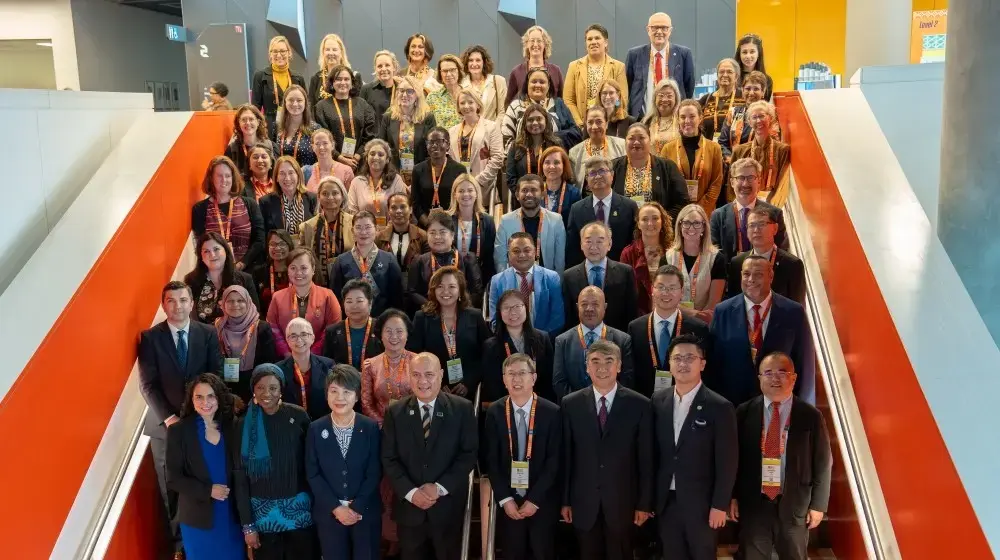
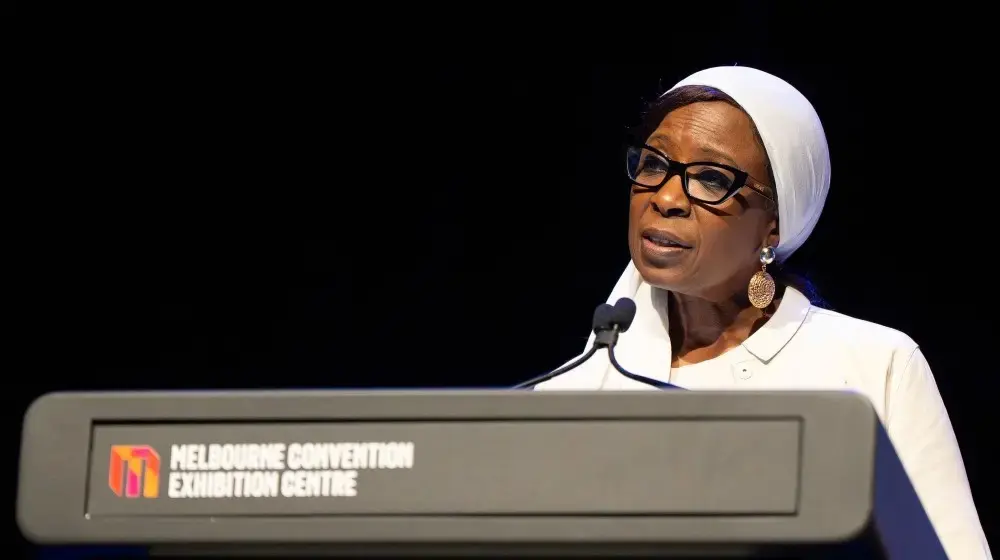
UNFPA took part in the conference with a global delegation led by Executive Director Diene Keita, reinforcing a clear message throughout the week: bodily autonomy is fundamental to individual agency and to building more inclusive, peaceful and prosperous societies. Across its engagements, UNFPA placed particular emphasis on amplifying the voices and upholding the rights of those too often left behind, including adolescent girls and persons with disabilities.

Photos

A shared sense of urgency ran through engagements throughout the conference. Feminists, civil society organizations, activists, parliamentarians and Indigenous leaders came together to push for stronger action on gender equality and universal access to sexual and reproductive health and rights. Discussions also emphasized the need for greater intergenerational solidarity, increased funding and stronger investments in climate action and youth leadership.

Photos

At the High-Level Parliamentary Forum, co-organized by UNFPA, ministers, parliamentarians and civil society leaders came together around a shared message: sexual and reproductive health and rights are not peripheral to development, but one of its foundations. Discussions focused on what it will take to defend that foundation, from strengthening primary healthcare systems to responding more strategically to growing opposition to women’s rights.

Photos

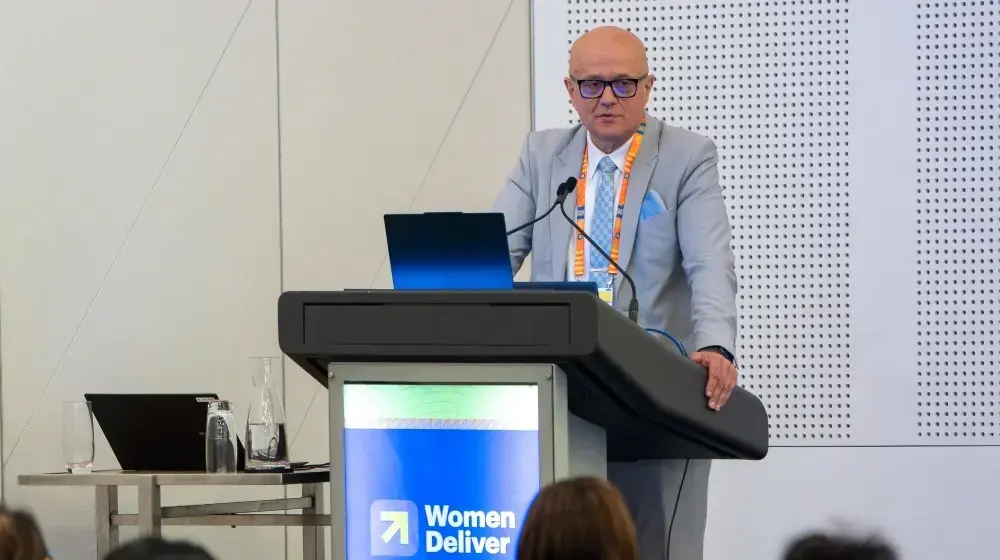
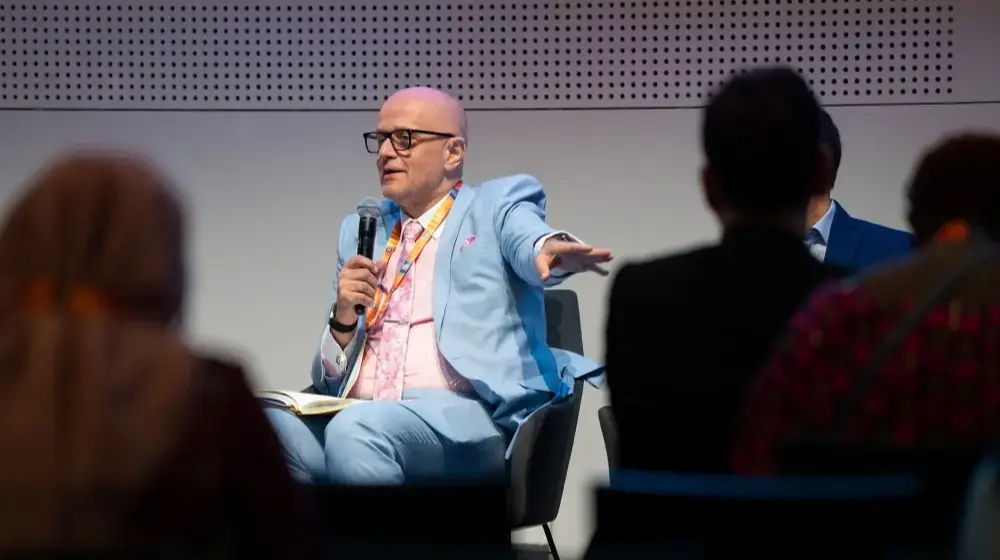
“Young people are not just beneficiaries of our interventions, but the most qualified experts to help shape and deliver them,” UNFPA Regional Director a.i. for Asia and the Pacific Aleksandar (Sasha) Bodiroza told a room of young leaders during a side event on youth leadership for sexual and reproductive health and rights, underscoring the need to recognize young people as agents of change in shaping their own futures.

Photos

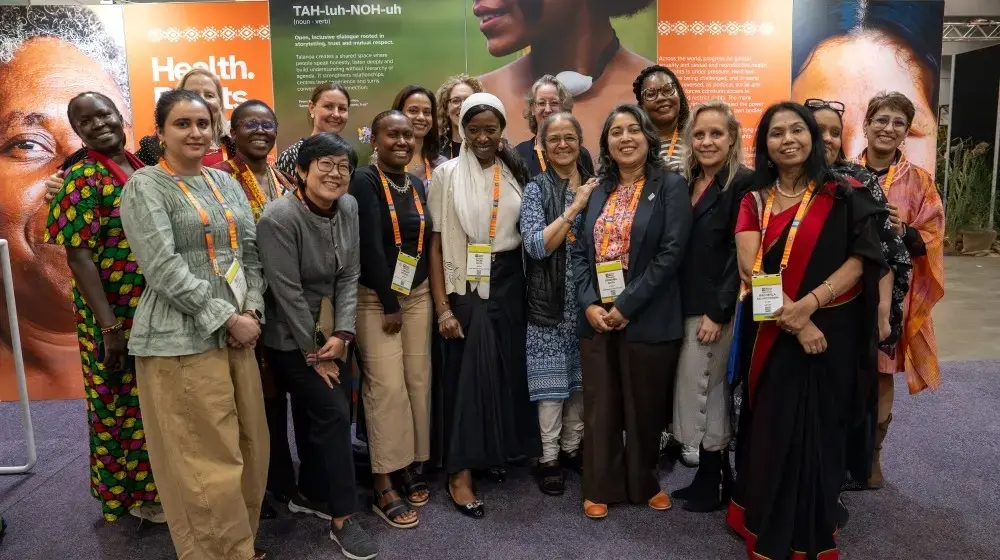
Across the globe, civil society organizations are helping shape the agenda on bodily autonomy by sustaining far-reaching movements and building solidarity. UNFPA convened a civil society dialogue to explore shared priorities, ongoing challenges and opportunities to strengthen collaboration in advancing sexual and reproductive health and rights. Held at the UNFPA Booth, designed around the Pacific concept of Talanoa, which emphasizes inclusive, participatory and transparent dialogue, the session created a space for open exchange and collective reflection.

Photos

“Data is what allows us to break the silence,” emphasized Dr. Bodiroza, at a side event on ending female genital mutilation (FGM) in Asia. He highlighted the critical role of data in addressing FGM across the region and strengthening accountability, as well as the need for stronger alignment between governments, UN agencies and civil society. Only by speaking with one voice can we ensure that evidence drives action and helps protect the rights of all women and girls across the region.

Photos

The Closing Ceremony marked the conclusion of the conference and the launch of the Melbourne Declaration for Gender Equality — a collective call to rebalance the ecosystem for accountability, rights and a more equal future. While reflecting on the past four days, the ceremony also looked ahead, highlighting the ideas and commitments that will continue to drive progress towards gender equality.