

Monitoring Maternal and Perinatal Deaths: How Health Systems Can Turn Loss Into Life-saving Action
Behind every maternal or perinatal death is a story and often a series of missed opportunities to prevent it.
Maternal and Perinatal Death Surveillance and Response (MPDSR) helps health systems understand what happened, why it happened and what must change to prevent another death.
The idea at its core is simple: to prevent the next death, we must examine the last one.
To advance global health, we must count every woman and every baby, and make every woman and every baby count. This is the philosophy behind MPDSR systems.
Despite significant reductions globally, an estimated 260,000 women die from complications related to pregnancy or childbirth every year, roughly one woman every two minutes.
MPDSR helps governments ensure these deaths are not just statistics, but are examined and acted upon to improve health systems.
Evidence suggests that, if maternal and perinatal death reviews are completed and recommendations acted upon alongside investments in local leadership and training, maternal and perinatal mortality can fall by up to 35 per cent.

Tragedy of the Three Delays
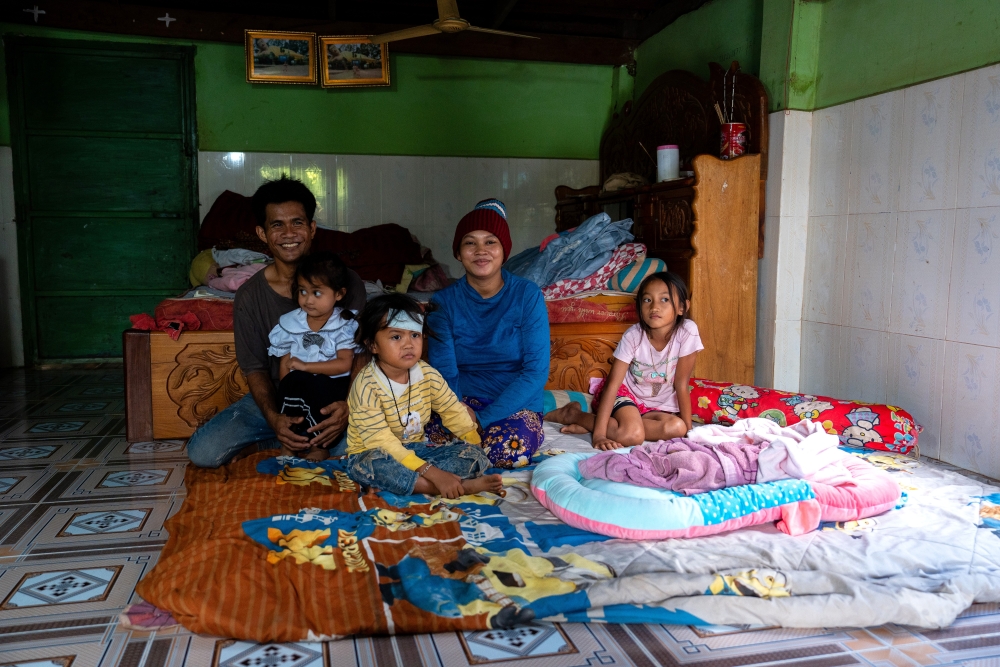
Imagine a young mother in a remote village who begins to hemorrhage shortly after a home birth. Her story is often defined by three distinct failures of the health system and local governance.
First is the delay in deciding to seek care, often rooted in a lack of awareness ,financial fear or social determinant barriers.
Second is the delay in reaching a health facility, caused by difficult roads or the absence of an ambulance, or an ineffective referral and communication system.
Third is the delay in receiving adequate care once she arrives at the health facility, which may lack blood for a transfusion or a midwife, obstetrician, or a team of health professionals on call.
Globally, these delays contribute to the staggering reality that around the world roughly 260,000 women died during and following pregnancy and childbirth in 2023 alone. Yes, you read it right:
In 2023, approximately 260,000 women died during pregnancy and childbirth, and in 2024, 2.3 million newborns died within their first month of life. Most of these deaths are preventable.
Without a surveillance and response system, the death of that young woman is simply recorded as "postpartum hemorrhage." With MPDSR, the review goes further - with the health system identifying factors such as the lack of transport, blood shortages and obstetric hemorrhage supplies and medicine as root causes, and prompting action to address them.
From Blame to Learning: How MPDSR Works
MPDSR creates a continuous learning loop that breaks the cycle of tragedy.
Our health providers fear litigation, punishment or public shaming when a woman or newborn dies. This process helps to create a space to acknowledge the loss while also making sure it doesn't happen again - in a safe space.
– Shanon McNab, UNFPA Sexual and Reproductive Health Advisor
It moves health systems away from a culture of blame toward a culture of learning. The process begins with the immediate notification of a death, followed by a rigorous review by a committee of multidisciplinary health personnel who piece together the timeline of events. This leads to the most critical stage: the response. By identifying that a death occurred because of a specific gap, whether it was a stock-out of medicine like oxytocin or a lack of transport, the health system can make targeted investments to reduce the risk of the same failure happening again.

The Four Pillars
- Identification: Recognizing every maternal or perinatal death, whether it happens in a hospital or at home.
- Notification: Reporting the death immediately to designated health authorities.
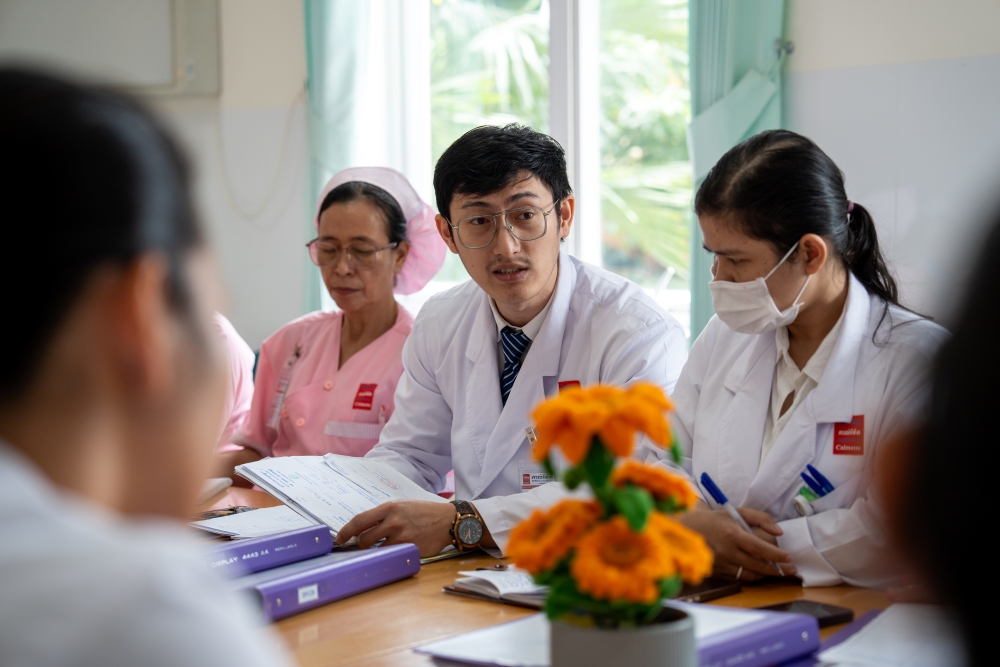
- Review: A committee of health personnel (obstetrician-gynecologist, midwives, pediatrician, neonatologist, anesthesiologist, health facility managers, and community members, if the death happened outside a health facility) meets to analyze why the death happened using frameworks like the "Three Delays."
- Response: Taking concrete action and developing response plans, such as training staff, buying equipment, or changing policy, to prevent similar deaths in the future.
A Global and Regional Mandate
MPDSR is a crucial strategy for achieving the Sustainable Development Goals, specifically the target to reduce maternal mortality to fewer than 70 per 100,000 live births by 2030. Throughout Asia and the Pacific, progress has been significant but uneven, particularly in remote areas high in the Himalayas or Pacific islands. UNFPA’s regional MPDSR strategy focuses on strengthening and digitizing these surveillance systems, replacing slow, paper-based reporting with real-time mobile data that allows health ministers to see exactly where mothers are at risk.
Globally, over 90 countries reported having a national policy, guideline or law requiring all audit and/or review of maternal and perinatal deaths.

 |
 |
The Frontlines
UNFPA focuses its most intensive efforts on four countries in the region where the stakes are highest, thanks to a regional programme supported by the Department of Foreign Affairs and Trade, Government of Australia.
In Timor-Leste, one of the countries with the highest maternal mortality ratio in the region, the main focus is on ensuring every major health facility has a trained and functioning MPDSR Committee.
In Nepal, the programme emphasizes overcoming infrastructure and geographical barriers and conducting verbal autopsies to capture the stories of women who die far from any hospital.
In Lao PDR, the goal is to localize the MPDSR system, moving from the national level to implementation in every province and district.
However, it is in Cambodia where the most profound lessons and practices in MPDSR systemic integration are being learned.
Cambodia’s MPDSR at Every Level
Cambodia’s journey demonstrates what is possible when political commitment meets technical precision and action.
The country has achieved a remarkable 54 per cent reduction in neonatal mortality in recent years, surpassing global averages and achieving the Sustainable Development Goal target ahead of 2030.
Maternal mortality, however, remains a serious concern. At 154 deaths per 100,000 live births, this figure is still considerably higher than the ambitious 2030 target.
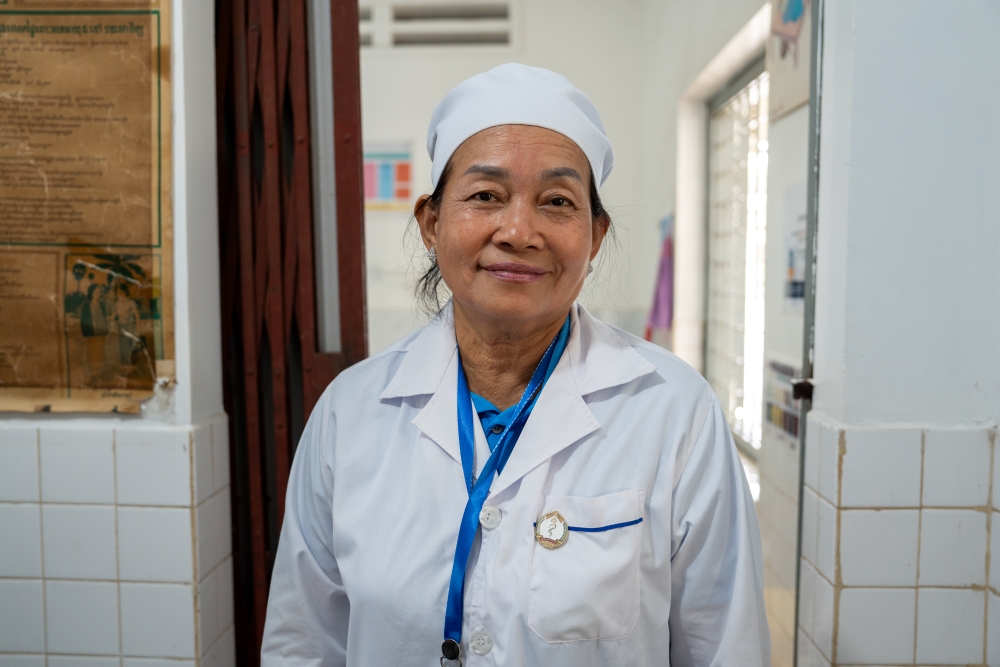
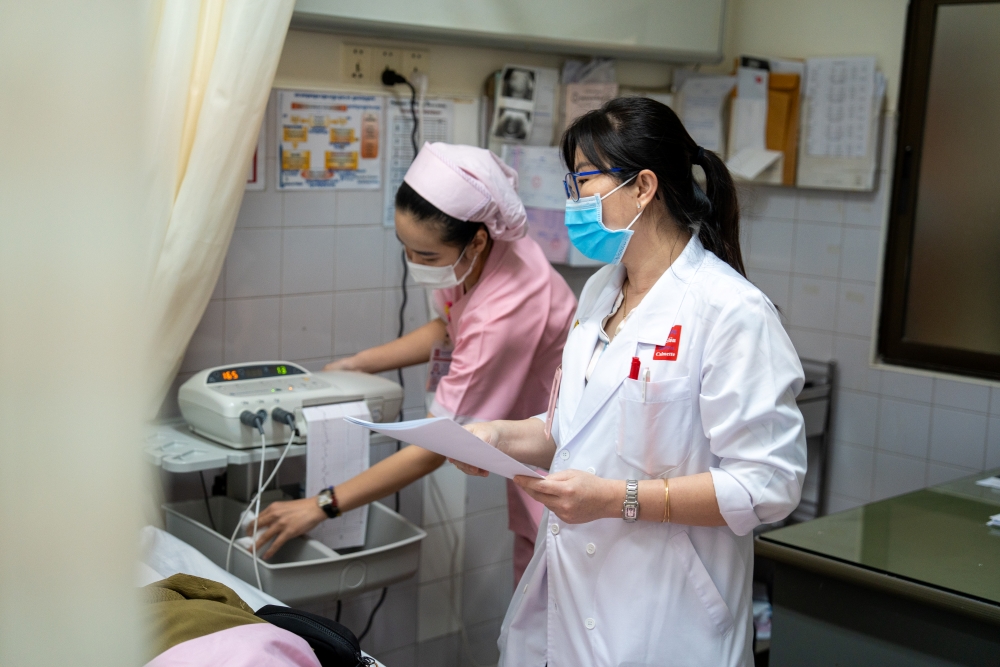
In 2025, the Cambodian Ministry of Health, with the support of UNFPA and partners, fully restructured the MPDSR system across all levels of the health system, to strengthen accountability and ensure timely response to every single maternal and perinatal death.
Cambodia elevated MPDSR from a clinical exercise to a national priority. By relying on an "Allied Hospitals Network", Cambodia ensures that national, provincial, district and community level health facilities work together to conduct effective maternal and perinatal deaths reviews, and receive direct mentorship to implement corrective actions.
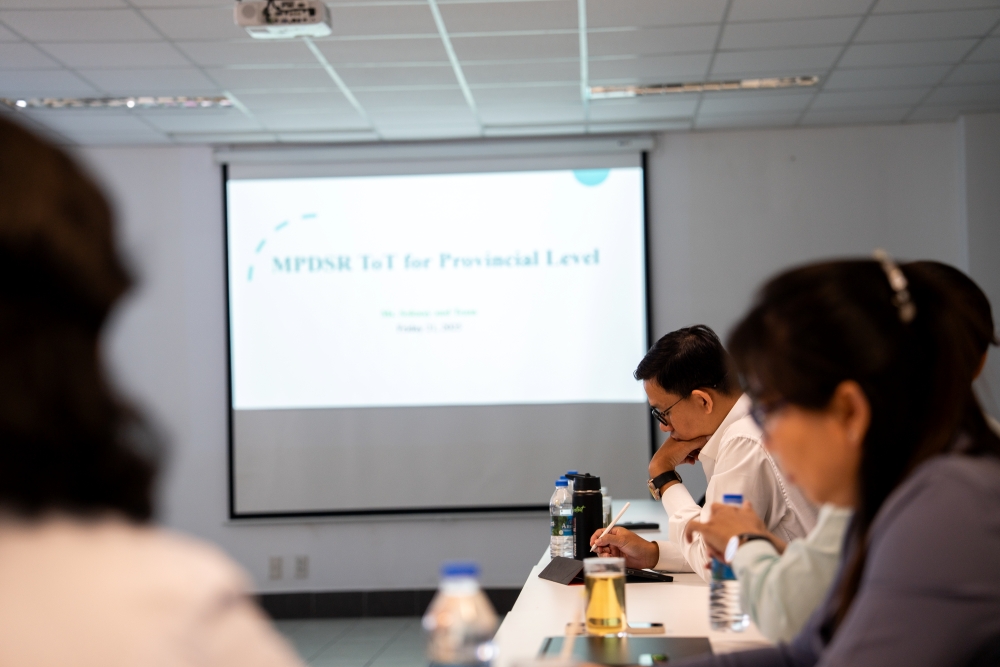
By using MPDSR data to identify clinical errors or equipment failures, and as a learning platform amongst allied provinces, Cambodia is fine-tuning its health system to be as resilient as it is accessible. It is a model that proves that when we count every death, we truly make every life count.
Before when a death case was reported, we did not study it in detail… Now every death case is reported and reviewed. UNFPA has supported a lot in this [MPDSR] work and is aligned with our priorities, including the review of the death cases. Now we are building the [MPDSR] system at all levels and we need human resources. UNFPA is playing a very important role in supporting this – building the resources and also supporting the work.
– Her Excellency, Professor Im. Sethikar, Secretary of State, MoH, Cambodia

The success of the work in countries like Cambodia demonstrates the need for urgent investments to strengthen and scale up subnational and national MPDSR processes across Asia and the Pacific.
This includes strengthening national health information and online reporting systems so that timely information about maternal and perinatal deaths is available from both health facilities and communities.
Health systems must also be resilient enough to continue functioning during natural disasters, humanitarian crises, disease outbreaks or pandemics.
Only when every maternal and perinatal death is counted, reviewed and acted upon, can countries prevent maternal mortality, ensuring that no woman dies while giving life, and that every newborn gets the best possible start in life.

Saving lives of mothers and their babies in Cambodia
Efforts to address preventable maternal and newborn mortality gained significant momentum in Cambodia in recent years. This documentary explores how the Maternal and Perinatal Death Surveillance and Response (MPDSR) system is contributing to these achievements.