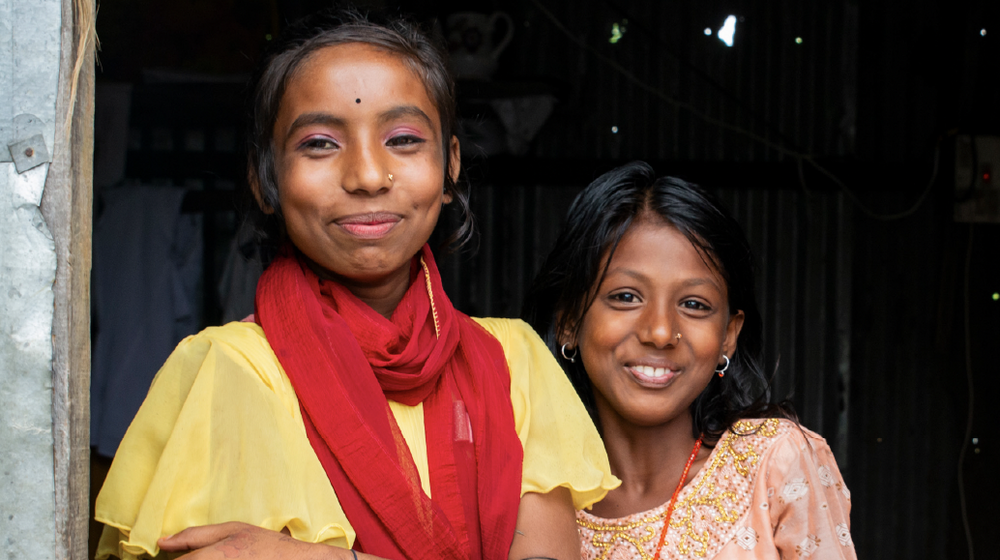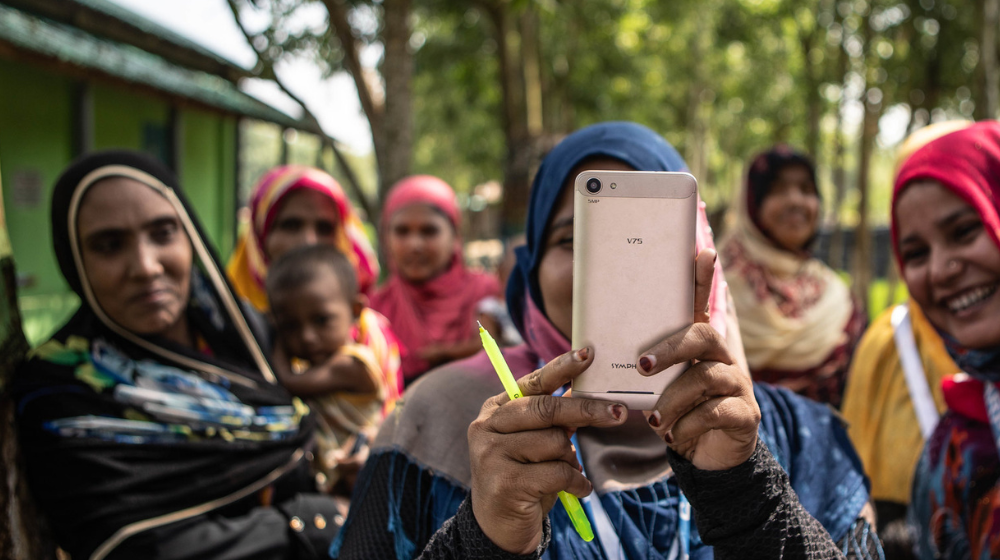


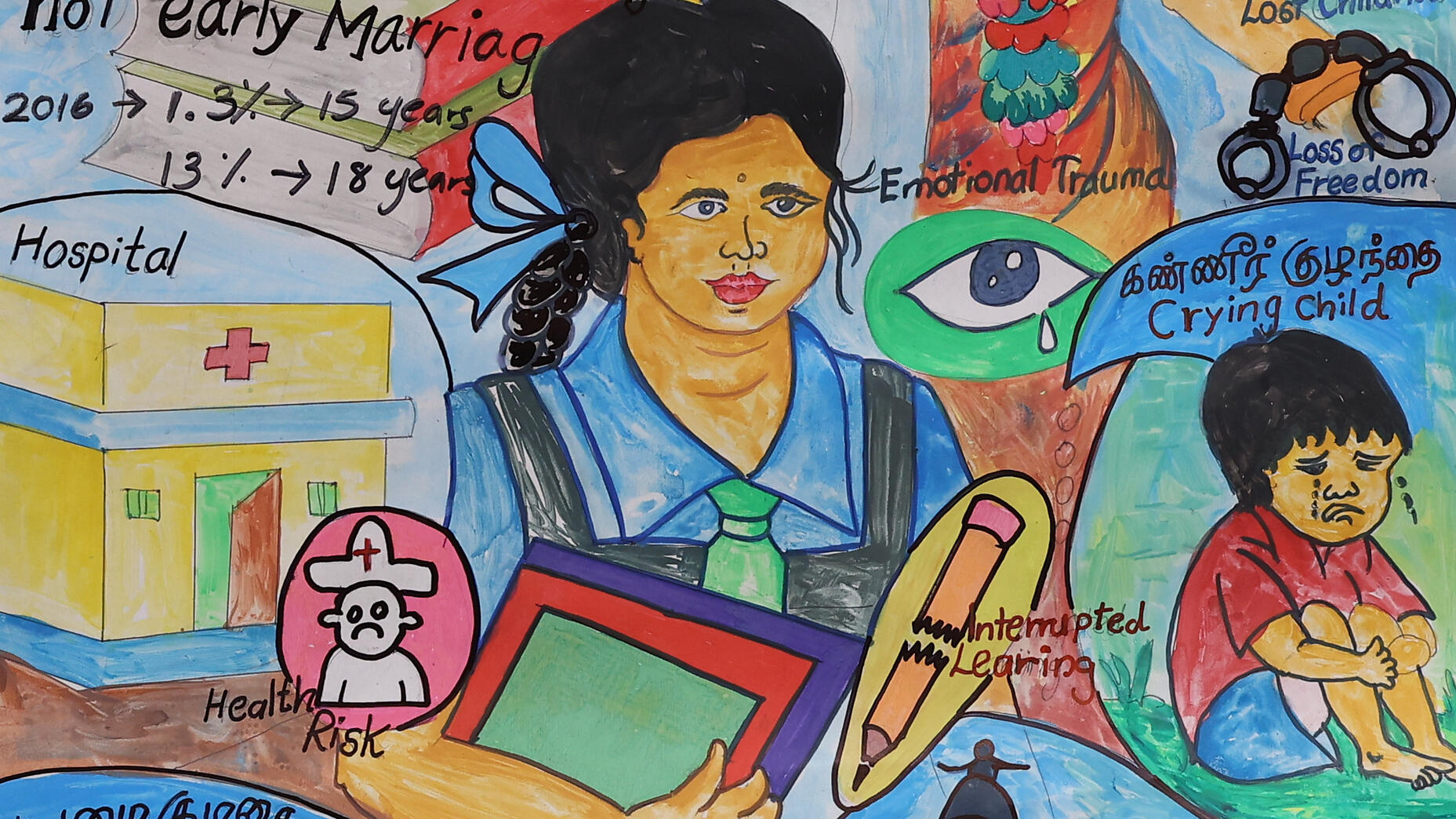
The youngest delegates at the South Asia Regional Forum on Ending Child Marriage were just 15.
Yet according to recent projections, at the current pace, ending this practice in the region will take 55 years, meaning they would be nearing 70 when it finally ends.
Their call to action, Let Us Be the Generation That Ends Child Marriage, demands a far shorter timetable. This week, at the Second Global Ministerial Conference on Ending Violence Against Children, in Manila on 18 and 19 November, South Asian governments have an opportunity to turn that urgency into concrete commitments.
South Asia has reduced child marriage faster than any other region. Yet one in four young women were married before 18, and the region is home to approximately 290 million women and girls married as children, 45 per cent of the global total. Child marriage is a human rights violation rooted in gender inequality, with devastating consequences for girls’ health, education and future opportunities.
At a regional forum convened by the South Asian Association for Regional Cooperation (SAARC) in Kathmandu last month, governments outlined proposed commitments, while young delegates made it clear what they expect those promises to deliver.
The forum was supported by UNFPA, UNICEF, Girls Not Brides, World Vision International, Plan International, Terre des Hommes Netherlands and ChildFund International.
National pledges for Manila
Three countries, Bangladesh, Nepal and Pakistan, presented national pledges they intend to make in Manila.
Bangladesh aims to cut the share of women aged 20 to 24 married before 18 from 47 per cent in 2025 to 35 per cent by 2031.
Pakistan proposes to set 18 as the minimum age of marriage in every jurisdiction and to verify national identity cards at marriage registration, so that ages cannot be falsified.
Nepal, where child marriage prevalence stands at 28 per cent, aims to end child marriage by 2030 through fully financed municipal action plans.
Even with these pledges, meeting the 2030 target would require a sevenfold acceleration across the region.
Young delegates urged governments to enforce laws, extend social protection to families affected by climate disasters and economic pressures that increase girls’ risk of child marriage, and invest in girls’ education, including free higher education, vocational training and age-appropriate comprehensive sexuality education.
A regional plan to accelerate progress
SAARC is preparing an updated South Asia Regional Action Plan on Ending Child Marriage, for endorsement by Member States before the end of the year.
The region must move “from commitment to implementation, and from implementation to measurable results”, said the SAARC Secretary General, H.E. Ambassador Md. Golam Sarwar.
For young advocates, their involvement in shaping these decisions is critical.
Child marriage robs us of our childhood, disrupts our education, threatens our safety, limits our opportunities and denies us the freedom to choose our own futures.
Young delegates
Call to action, South Asia Regional Forum on Ending Child Marriage
“We must ensure [young people] have safe, open spaces to share their experiences and opinions, and meaningful opportunities to participate in decision-making and development processes, particularly in efforts to end child marriage,” said Abhisekh Meghwal, a youth group leader and child rights advocate from Rajasthan, India.
From pledges to financed action
Both the pledges and the plan depend on financing.
“The average cost of averting one child marriage is approximately $600 across 68 countries, while ending child marriage could generate more than $500 billion in annual global welfare gains by 2030,” she said.
Ms Haté urged governments to cost national action plans, tag and track budget allocations, and make public expenditure transparent.
The evidence presented at the Forum shows that child marriage declines when girls complete a full 12 years of schooling and have economic opportunities, and when programmes combine sexual and reproductive health, girls’ empowerment and social and gender norm change.
The youngest delegates at the Kathmandu Forum will be entering adulthood in 2030, the year governments have committed to end child marriage.
If child marriage is to end within their generation, the commitments made in Manila must be financed and turned into accelerated action.
UNFPA will continue working with governments, civil society and young people to turn those commitments into action to protect girls’ rights and ensure they have the freedom to shape their own futures.