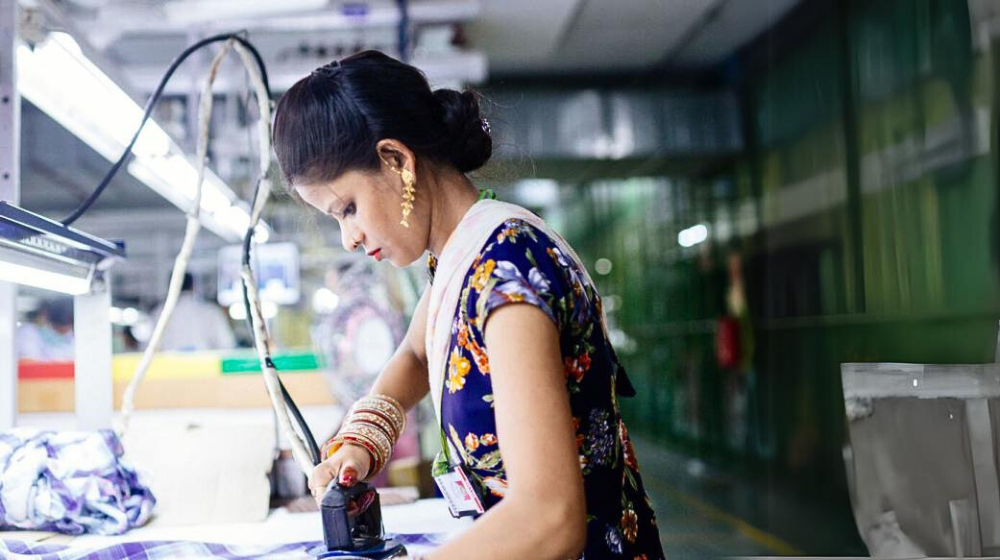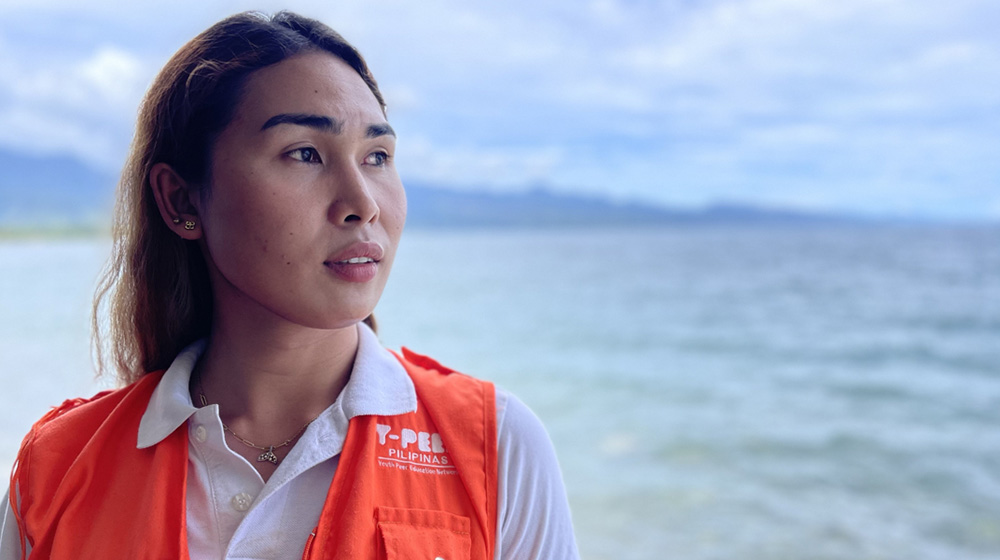



Canberra 23 November 2026 — Young people across Asia and the Pacific are better educated, more connected and more aware of their rights than previous generations. Yet economic insecurity, inequality, climate change and conflict are making it harder for many to secure independence and build the lives they want, according to UNFPA's State of World Population 2026 report.
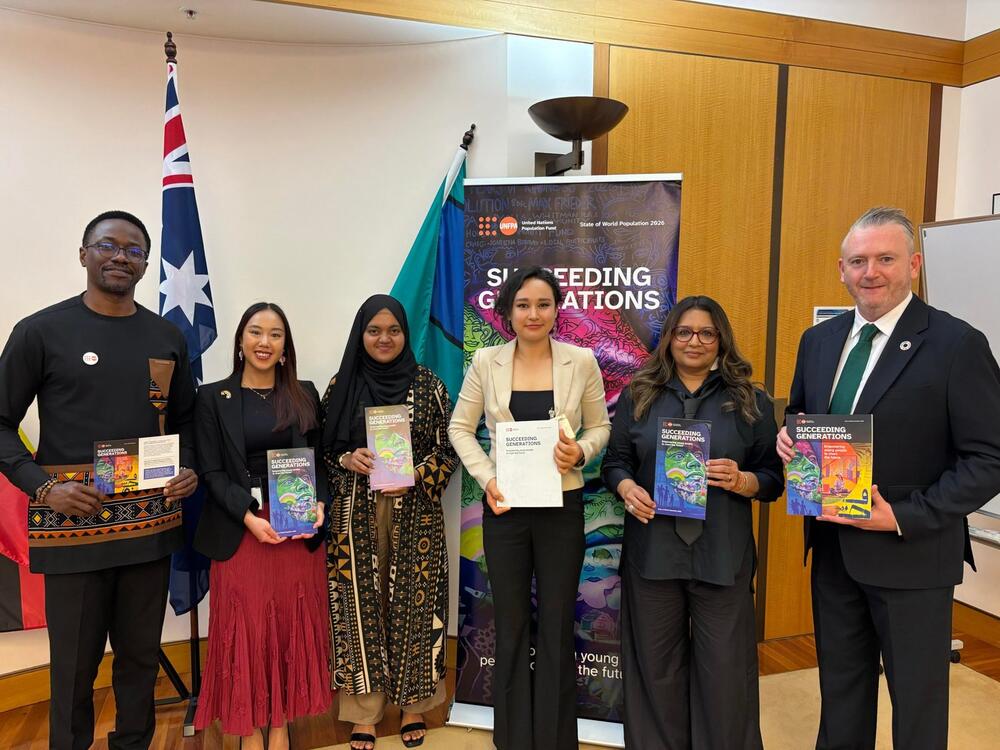
The report, Succeeding Generations: Empowering young people to chart the future, was launched today at Parliament House in Canberra by UNFPA, the United Nations Population Fund.
Asia and the Pacific is home to nearly one billion young people aged 10–24. Demographic trends vary widely across the region, with low fertility and rapid population ageing in East Asia, large youth populations in South Asia, and younger, growing populations in parts of the Pacific.
The report highlights an increasing disconnect between young people's potential and the opportunities available to them. Globally, one in five young people is outside employment, education or training, with young women more than twice as likely as young men to be affected.
In UNFPA’s survey of more than 108,000 young adults aged 18 to 39 with internet access across 73 countries, 91 per cent of respondents said they wanted at least one child. Financial insecurity was the most commonly reported barrier to having children, cited by 72 per cent of respondents.
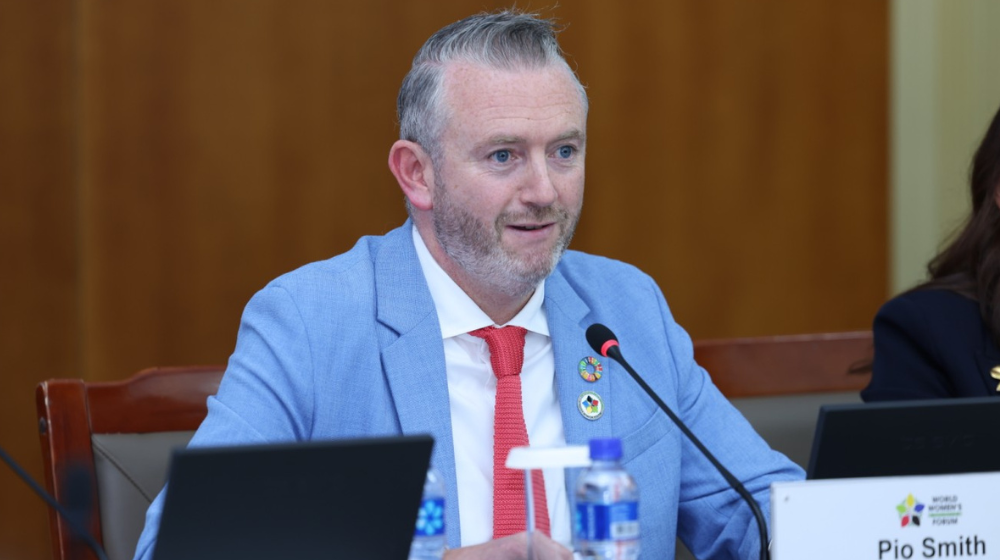
Presenting the report in Canberra, Pio Smith, UNFPA Regional Director for Asia and the Pacific, called for greater investment in young people's futures.
"Young people have enormous potential, but too many face barriers to fulfilling it. Across Asia and the Pacific, economic insecurity, inequality and crises are limiting their opportunities and choices," said Mr Smith.
"We need to invest in education, decent jobs and sexual and reproductive health and rights, while giving young people a genuine say in the decisions shaping their futures."
The report also documents significant progress in adolescent health. Adolescent childbearing rates halved between 2000 and 2023 in South Asia and East Asia and the Pacific. However, progress remains uneven, with persistent barriers to essential services and growing funding pressures threatening these gains.
Young people are also demanding greater influence over decisions affecting their lives. Although they are organizing, advocating and developing solutions, they remain significantly underrepresented in formal political decision-making.
The report calls on governments to strengthen pathways to decent work, protect young people's health and reproductive rights, and move beyond consultation to meaningful youth participation in policies, programmes and budgets.
The Canberra launch was organised by Family Planning Australia and the Australian Parliamentary Group on Population and Development (APGPD), bringing together parliamentarians, young advocates and partners.
Australia is a longstanding partner of UNFPA, supporting sexual and reproductive health and rights, gender equality and humanitarian action across Asia and the Pacific.
Media contact:
Katie Elles, Regional Communications Adviser, UNFPA Asia-Pacific Regional Office
elles@unfpa.org | +66 80 043 0525
Download the report: www.unfpa.org/swp2026