

The Asia-Pacific region is the most disaster-prone in the world. In 2024, the region experienced over 140 natural disasters, affecting more than 87 million people and causing nearly 6,000 deaths. UNFPA addresses disaster resilience through a multi-layered strategy that encompasses resilience building, early warning systems, and immediate response with lifesaving services.
UNFPA, UNDRR and UN Women, have developed the Gender Action Plan to Support the Implementation of the Sendai Framework for Disaster Risk Reduction (Sendai GAP). This plan is instrumental in guiding and strengthening gender-responsive DRR strategies, recognizing the disproportionate impact of disasters on women and girls, and ensuring their active participation in resilience-building initiatives.
The approach emphasizes the importance of collaborating directly with women and girls, whose unique perspectives are essential for designing effective early warning systems and sustainable recovery strategies. By centering women and girls in our efforts, we contribute to building healthier, more resilient communities for all.
These are just a few of the initiatives that illustrate how UNFPA is helping communities cope with future disasters by preparing today, and putting women and girls at the heart of disaster preparedness plans.
Cash and vouchers for reach and flexibility
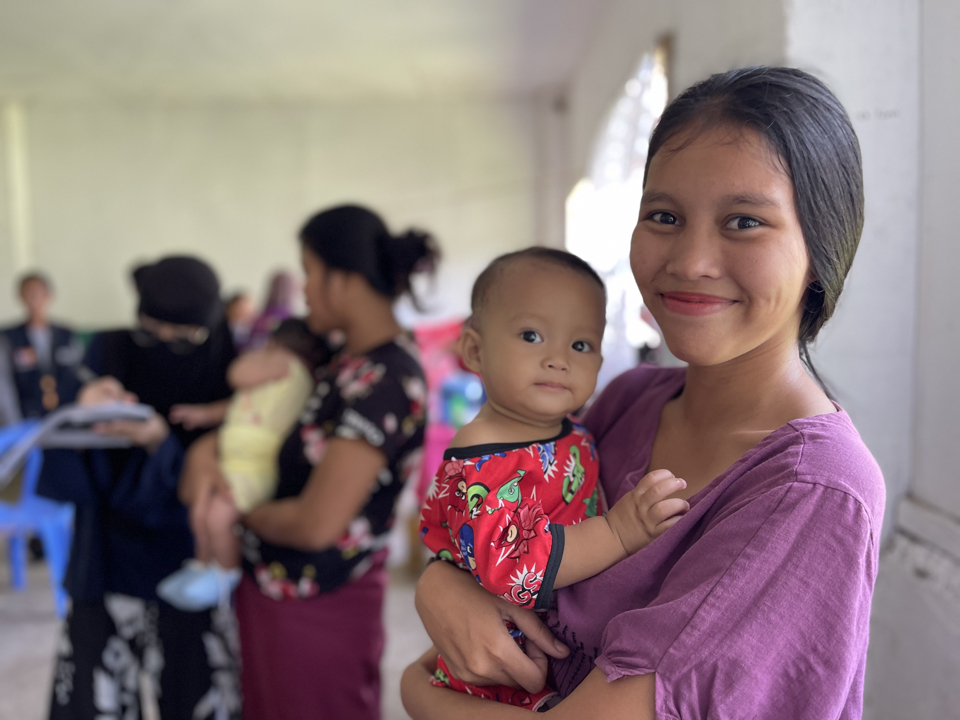
Philippines: Cash-for-maternal-health in conflict-affected Maguindanao helped increase facility births and reduce risks for pregnant women in fragile settings. Cash incentives reduce financial barriers to facility delivery in a crisis-affected area and are implemented alongside strengthening of local health facilities and referral pathways. The use of Cash and Vouchers demonstrates how relatively small, flexible cash transfers can reduce maternal risk during emergencies. Learn more
Integration with existing disaster risk reduction systems
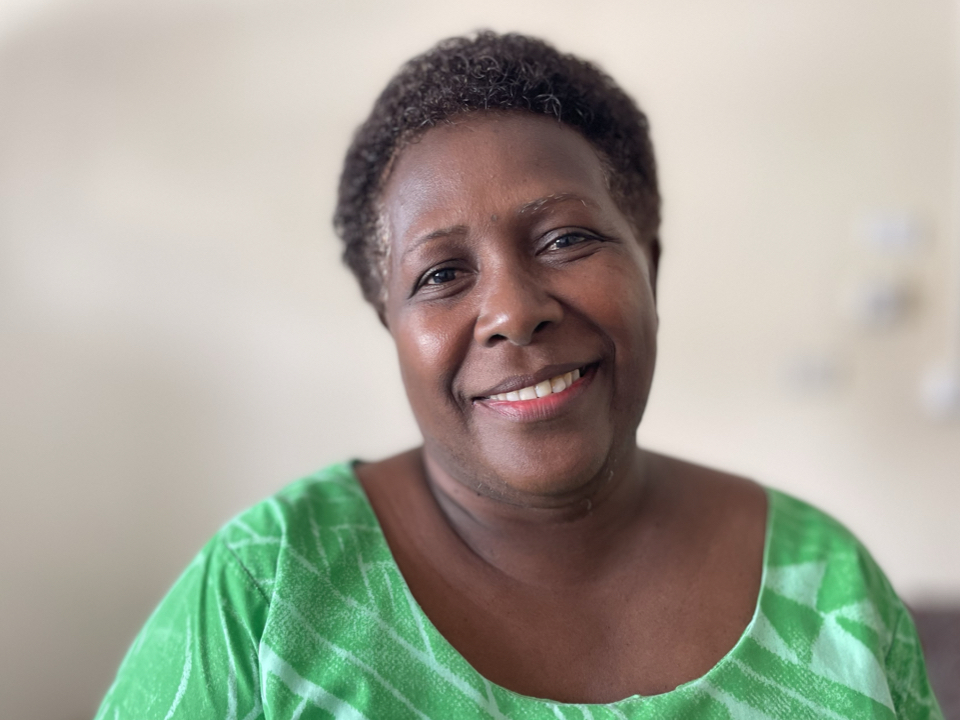
Solomon Islands: Pacific island states face frequent cyclones so embedding Minimum Initial Service Package (MISP) into national DRR reduces maternal/newborn morbidity by ensuring lifesaving sexual and reproductive health services are among the first restored after disaster. The minimum, life-saving sexual and reproductive health needs that humanitarians must address at onset of an emergency (within 48 hours wherever possible). UNFPA works to prioritize sexual and reproductive health (MISP) in national emergency plans, training for health workers, and distribution of MISP kits across Pacific island states.
Georgina Mau is an experienced Midwife with the Solomon Island Nursing Council. She has worked for decades on coordinating reproductive health programs with health workers and nurses in remote parts of Guadalcanal and around the nation of more than 1000 islands. She’s part of the effort to roll out MISP standards across the country and help provinces better prepare for disasters. “Now we have the knowledge of what to do and how to prepare for disasters.”
Leadership for people with disabilities
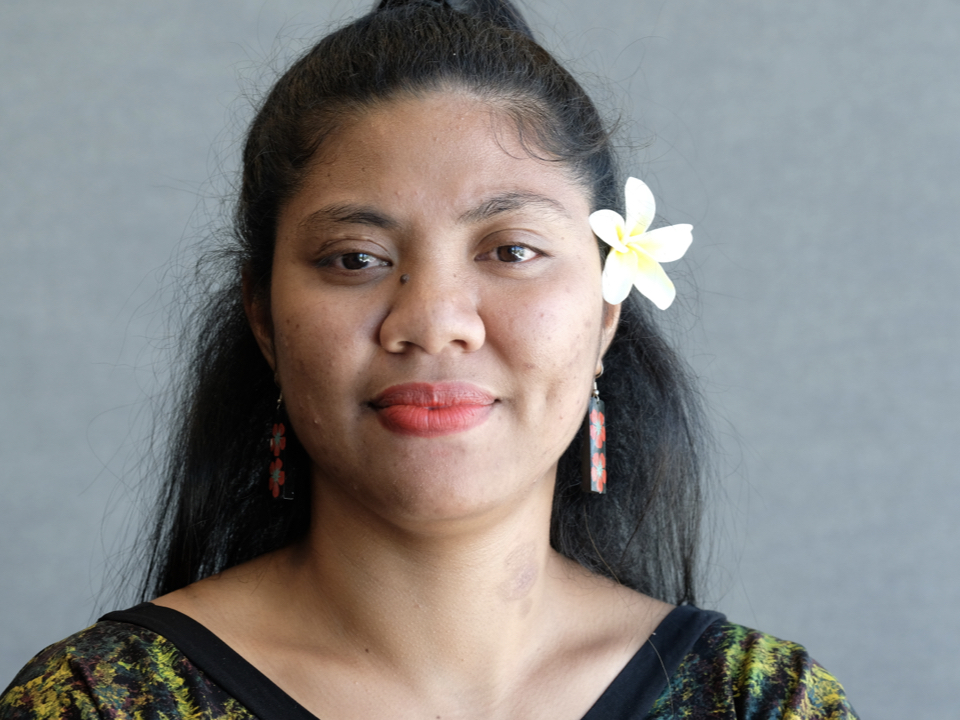 Samoa: Maselina was just a girl when a tsunami hit Samoa in 2009. With no prior information about such natural disasters or even knowing what a tsunami was, she found the evacuation with her family to be a terrifying experience. She now works to ensure early warning systems reach people with all types of disabilities, so that those most at risk will be better prepared as the climate crisis intensifies in Samoa. Today Maselina leads advocacy campaigns with the Deaf Association of Samoa, engaging the Ministry of the Prime Minister and Cabinet, Samoa Meteorological Services and the National Disaster Management Office to ensure that the special needs of persons who are hearing impaired are prioritized in disaster preparedness and response. Maselina says, “We do a lot of work with hearing impaired people in rural areas. We are trying to learn better ways to address the specific barriers they experience, and advocate at the community and national level for the realization of their rights as guided by the Convention on the Rights of Persons with Disabilities.” WATCH THE VIDEO
Women-Led Maternal Continuity Hubs
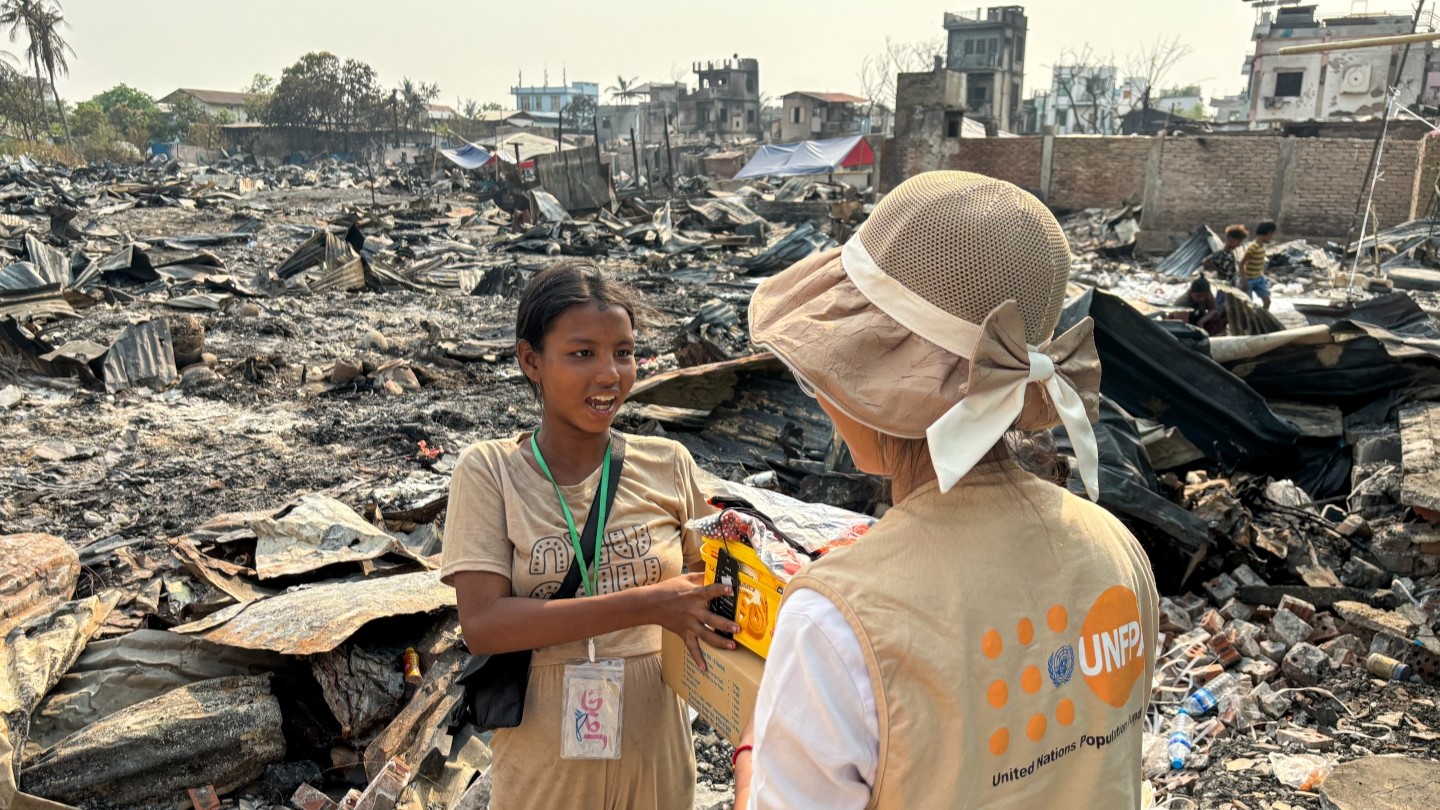
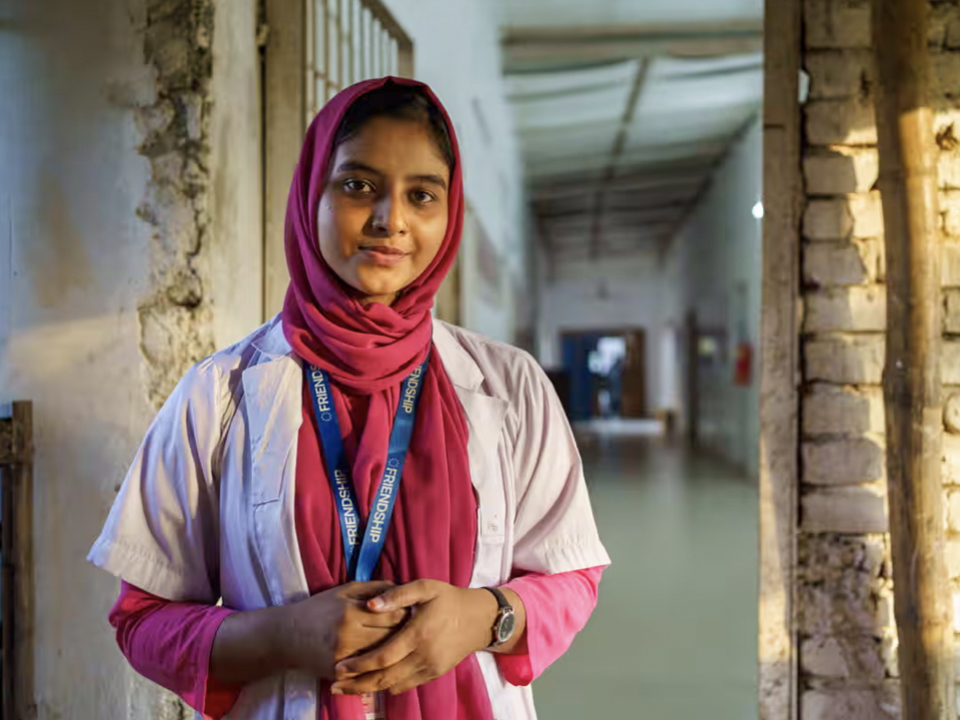 Bangladesh: In Cox’s Bazar’s refugee camps, midwife Sumana Akter faces emergencies day and night—ensuring safe births for Rohingya women despite challenges. For many Rohingya women living in the camps, access to maternal healthcare can be uncertain. Travel is not always safe. Emergencies often occur at night. And the stigma around seeking facility-based care still persists. In this context, midwives aren’t just health workers—they are the backbone of maternal survival. “Every shift brings something different,” Sumana says. “One minute you’re helping with a routine delivery, next, it’s a high-risk emergency. There’s no time to think twice.”
At the Friendship Hospital, supported by UNFPA, the maternity ward is full. “In this humanitarian setting, midwives are always needed,” she says. “Most women arrive already in pain, some after long delays. Every second counts.”
In Cox’s Bazar UNFPA supported women-friendly spaces, trained midwives, distributed menstrual health management (MHM) kits and implemented maternal/perinatal mortality surveillance (MPMSR). During cyclone impacts these women-led centres and midwives were central to preserving continuity in sexual and reproductive health services.
Anticipatory Action
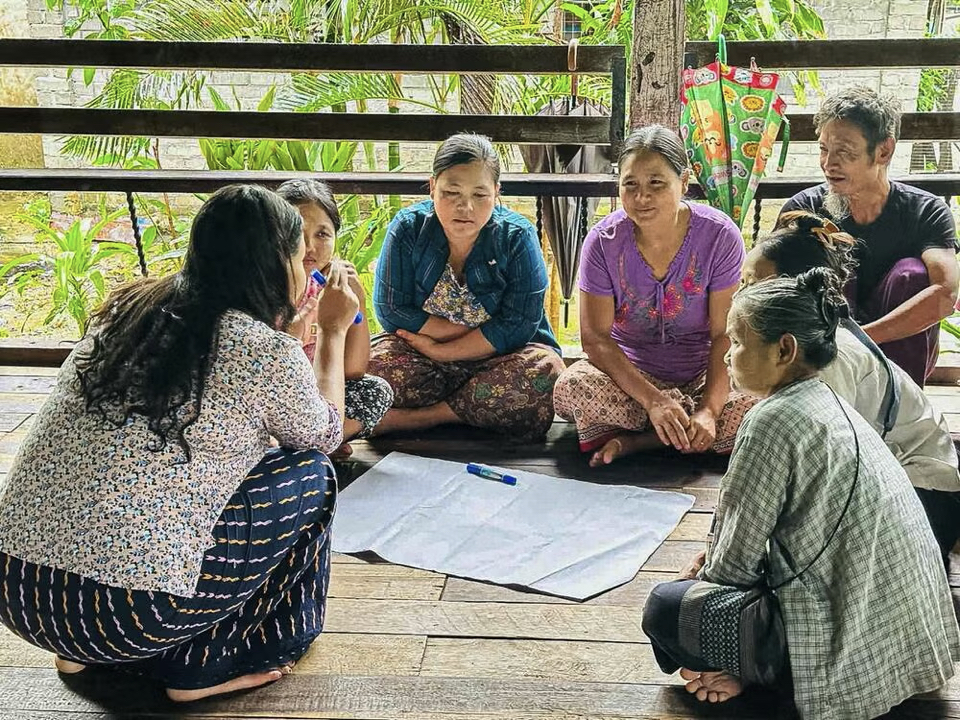
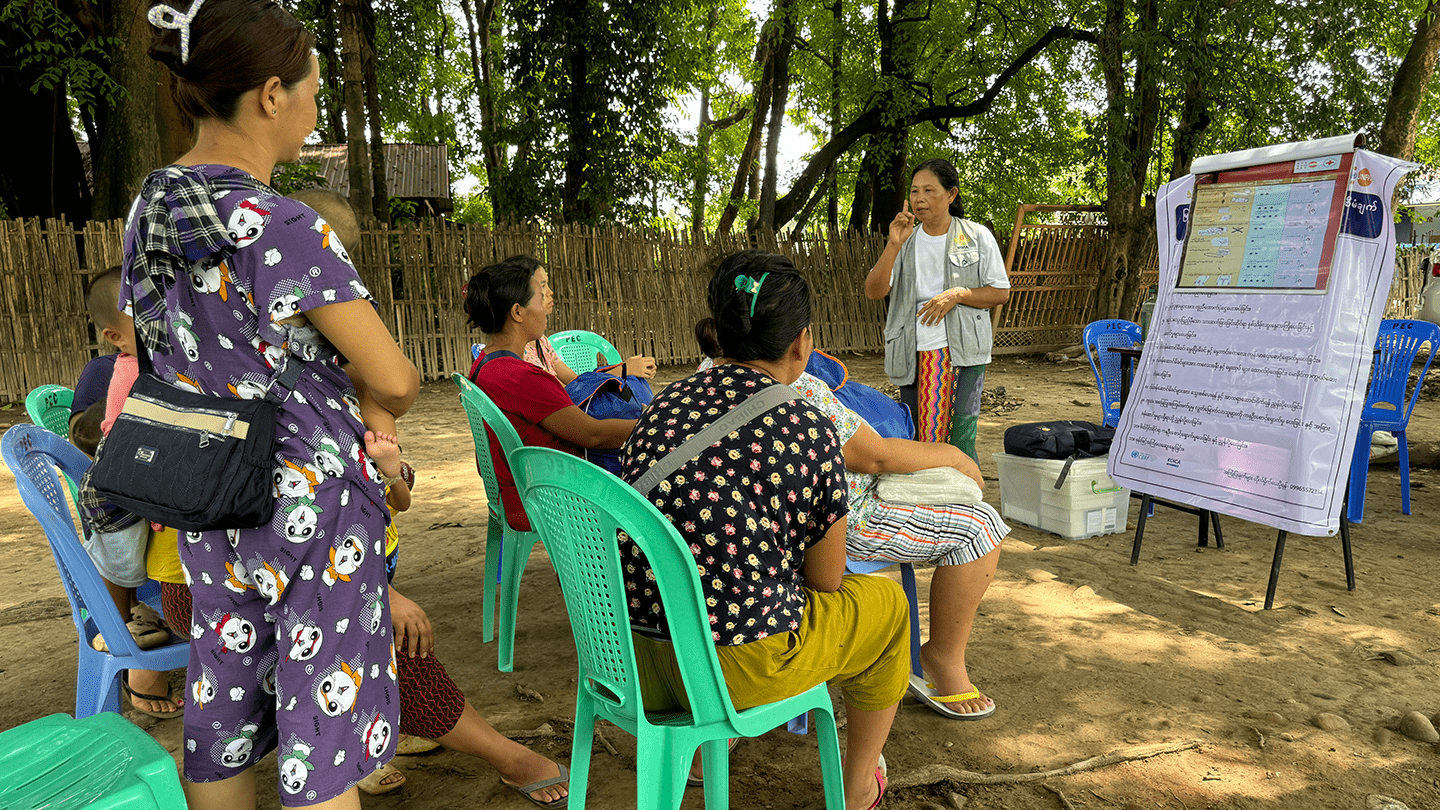
Myanmar: “In Shan State, we are experiencing not only floods but also landslides. Merely providing emergency assistance after the fact is not effective,” says Nang Than Than Nyunt of Loi Kham Women Organisation. “During a crisis, women—especially pregnant women—are severely affected. Some have had to deliver babies on the way while evacuating from floods. If they can receive assistance and prepare in advance, those life-threatening risks can be prevented.”
For women’s organisations, anticipatory action is not just about supplies—it is about being recognized as essential partners in preparedness and ensuring no woman is left behind“It is important to consider the different contexts of each state and region when developing anticipatory action protocols,” says Nang Than Than Nyunt. “To ensure women and girls are not left behind, it is crucial to involve local women’s organizations in this process.” Learn more
Youth-designed mobile clinics
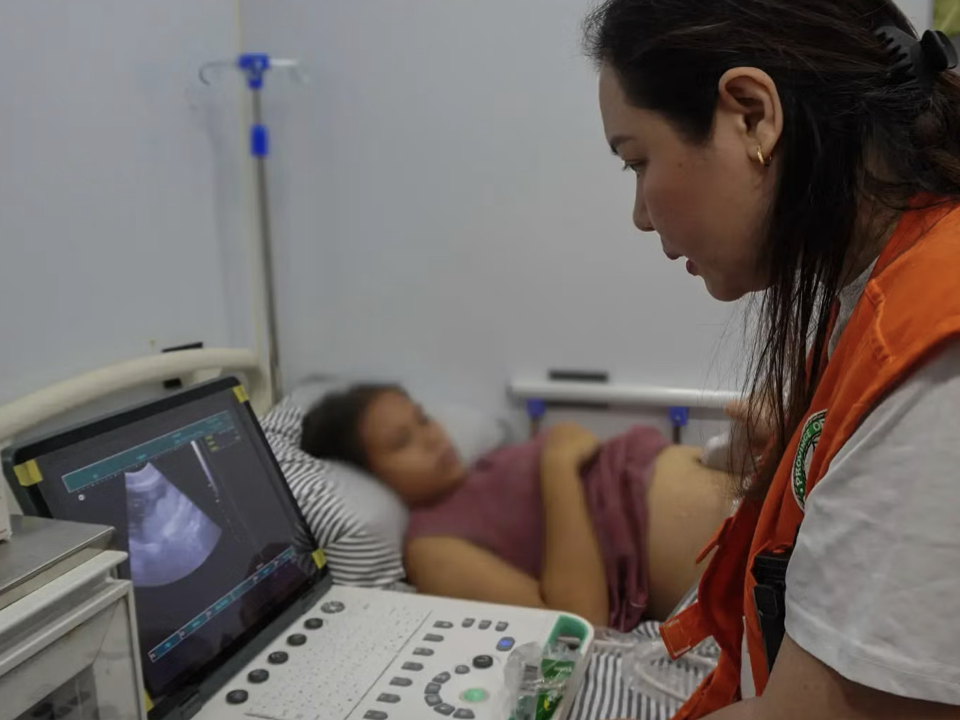
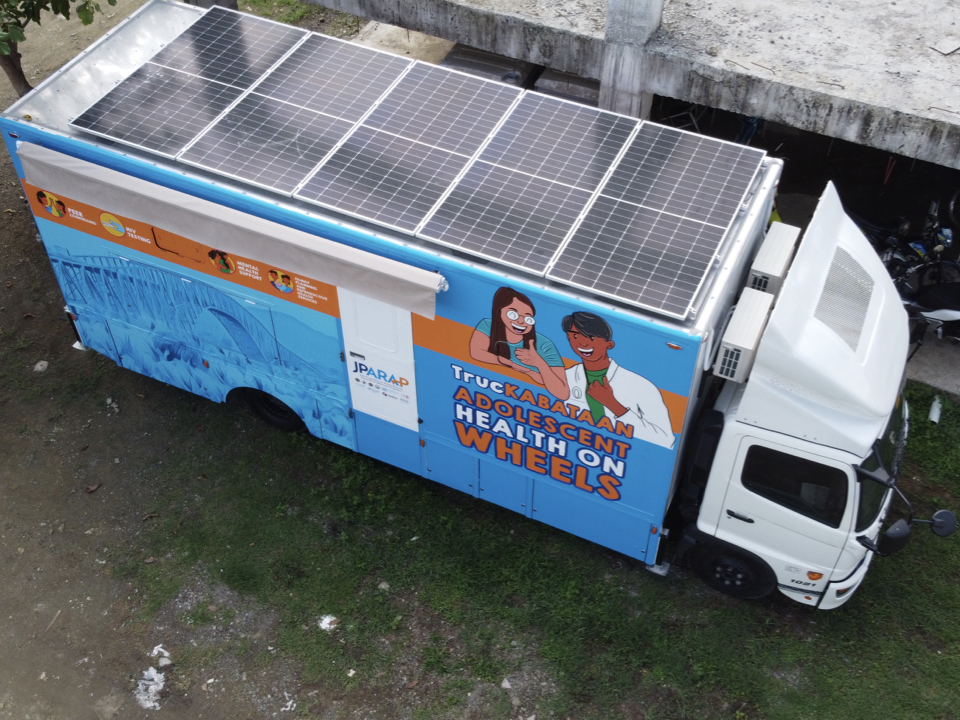
Philippines: Youth-designed mobile clinics like TrucKABATAAN reach remote communities with sexual and reproductive health, mental health and referral services. Youth leadership ensured trust from the community; mobile clinics act as both disaster risk reduction mitigation (ensuring service continuity after disasters) and engagement/education hubs that reduce vulnerability for adolescents.
Maternal & Newborn Health Fund
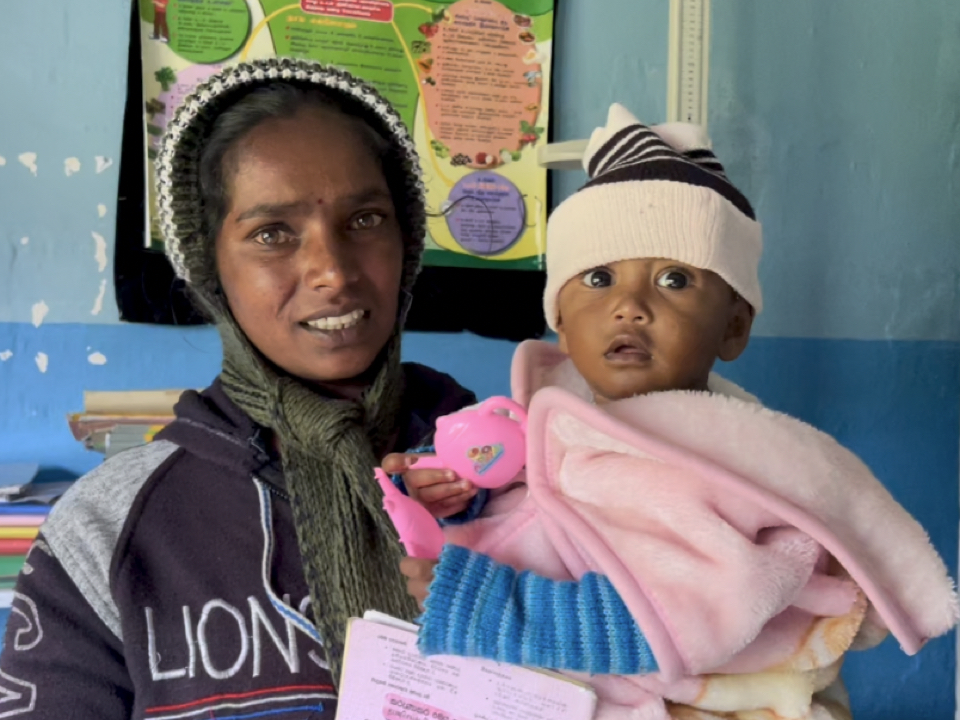
UNFPA’s maternal & newborn fund provides catalytic funding and technical assistance to scale maternal and newborn care — including support that strengthens health systems' surge capacity during emergencies. Flexible, targeted funding (and the program’s emphasis on data and accountability) is key to ensuring maternal services are resilient before and during disasters. The fund supports country-level interventions that can be adapted to disaster risk reduction and emergency contexts. READ MORE
Women-led groups equipped to respond
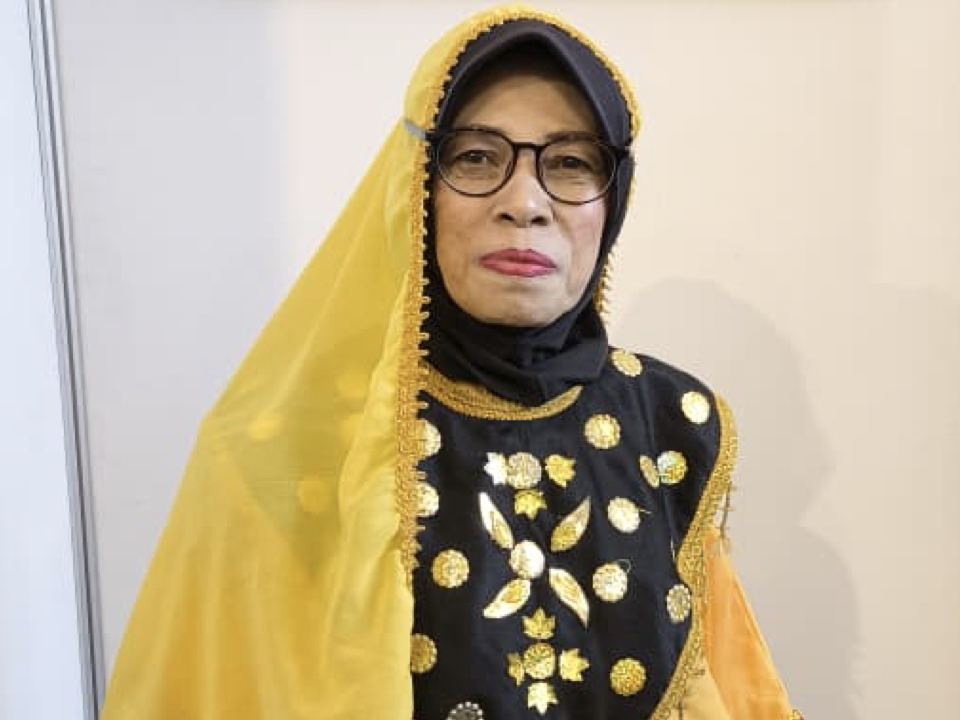
Indonesia: When an earthquake and liquefaction struck Pasigala in 2018, Kaleke Village was gripped by fear and despair. Five days after the disaster, while most residents still dared not move, Azni chose to step forward. She borrowed the village head's car, brought data on affected families, and navigated the difficult road to Palu to seek aid. She returned home with rice, sugar, eggs, and mineral water, and then encouraged residents to set up an emergency post. Amid the aftershocks, Azni set up a public kitchen so people could eat together. That moment, for many residents, was not just about full stomachs, but about the renewed sense of security and hope that came from being together.
After the disaster, Azni continued her work with the Village Women and Children Task Force. She assisted victims of violence despite often being ridiculed or even hated, for being believed to be interfering in other people's family affairs. However, her courage and determination opened the community's eyes that violence should not be tolerated. Azni consistently advocates for village funding for the Women and Children Protection Task Force. For Azni, support is not only about helping victims, but also about ensuring systems, support, and sustainability.
Youth-led DRR advocacy and networks
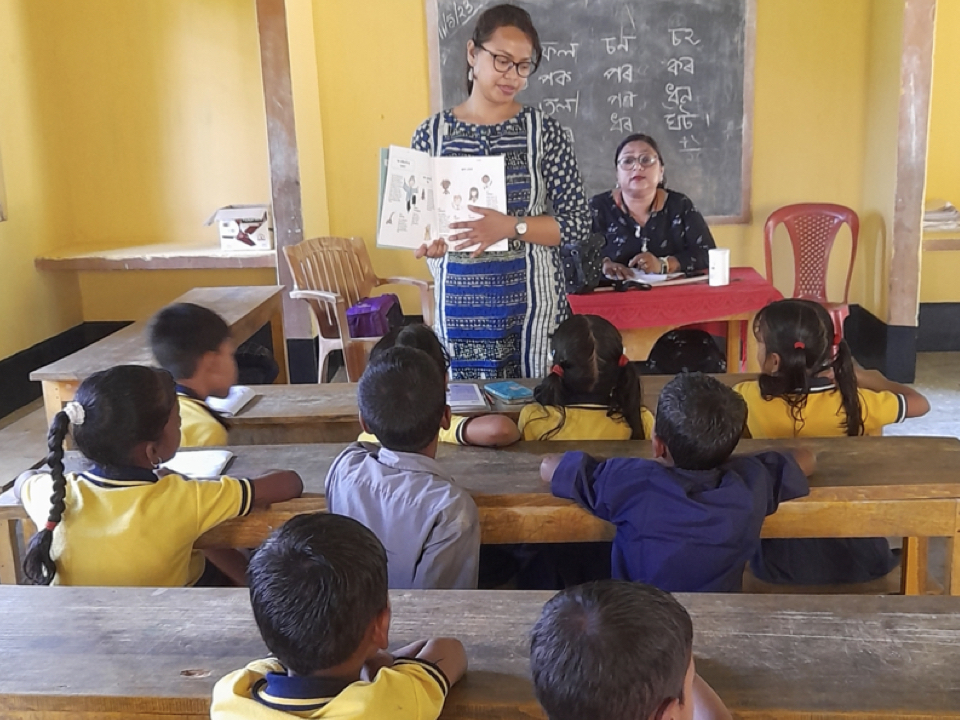 India: “Disasters pose threats to everyone,” says Jekulin. “But they often have harsher impacts on women, children and youth as they continue to be among the most marginalised groups when disasters occur.”
Jekulin Lipi Saikia leads the Asia-Pacific Children and Youth Stakeholder Group through the Sendai Framework Stakeholder Engagement Mechanism and advocates for youth inclusion, gender equality and social equity. She is currently working with the State government of Assam on flood preparedness and has helped to prepare and respond to recurring floods.
“My work focuses on advocacy, capacity building, knowledge and action for children, adolescents and young women,” she says. “An inclusive approach to disaster risk reduction gives young minds the knowledge to protect themselves during a disaster and gives them a voice in developing resilience strategies and participating in decision-making processes.”Jekulin says India has made strides in inclusive disaster risk reduction but it still requires substantial effort to ensure adequate involvement of women. “My country has the potential to bring a paradigm shift toward gender mainstreaming. Women can participate in the decision-making process and actively work in preparedness, response and recovery rather than being showcased as a vulnerable population.”
Youth coalitions and girl-led groups have been pivotal in regional DRR forums and domestic resilience programming to push for adolescent-sensitive sexual and reproductive health in disaster planning. READ MORE
Learn more
Minimum Initial Service Package (MISP) for SRH in crisis — essential lifesaving SRH interventions to be available at onset of an emergency
Cash and Voucher Assistance in Asia and the Pacific