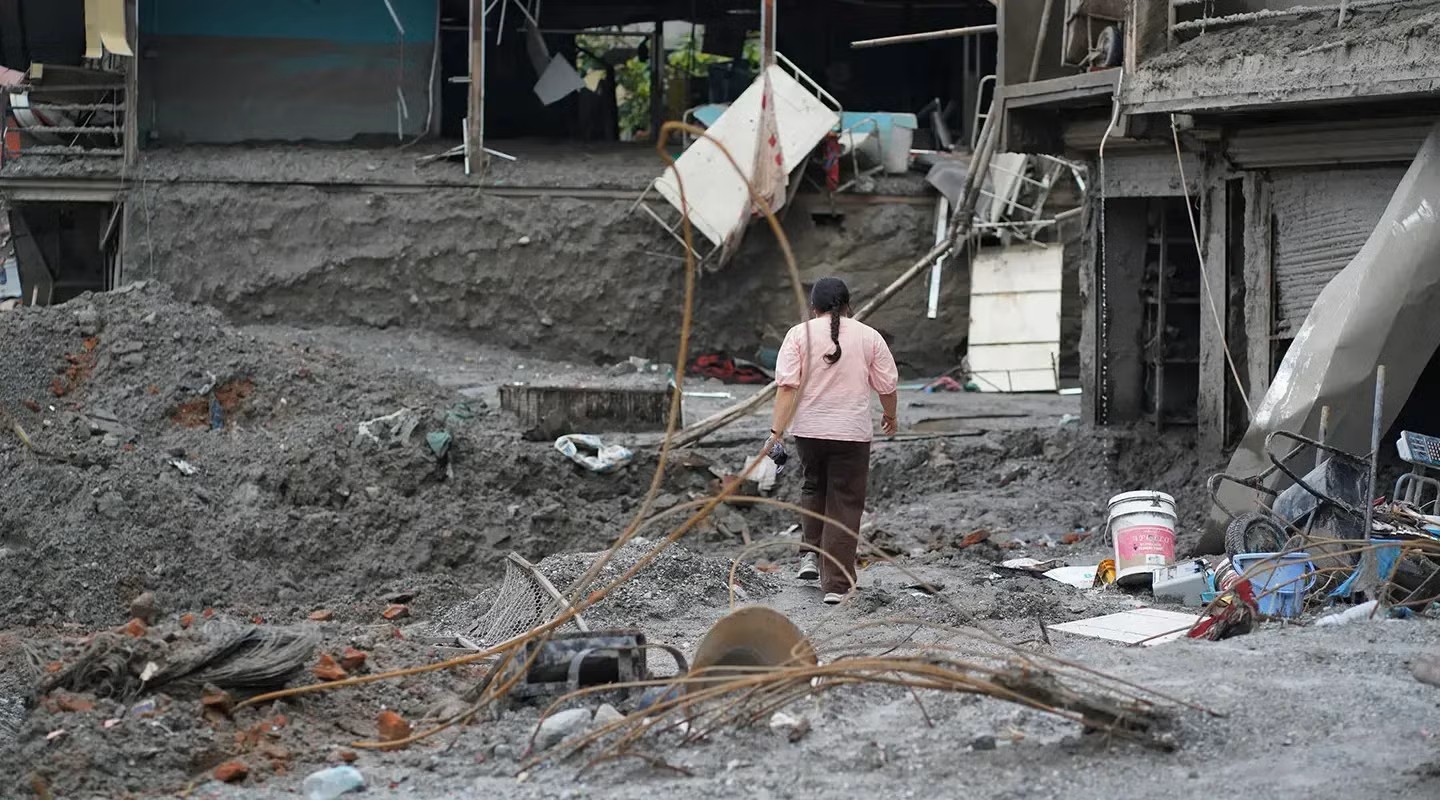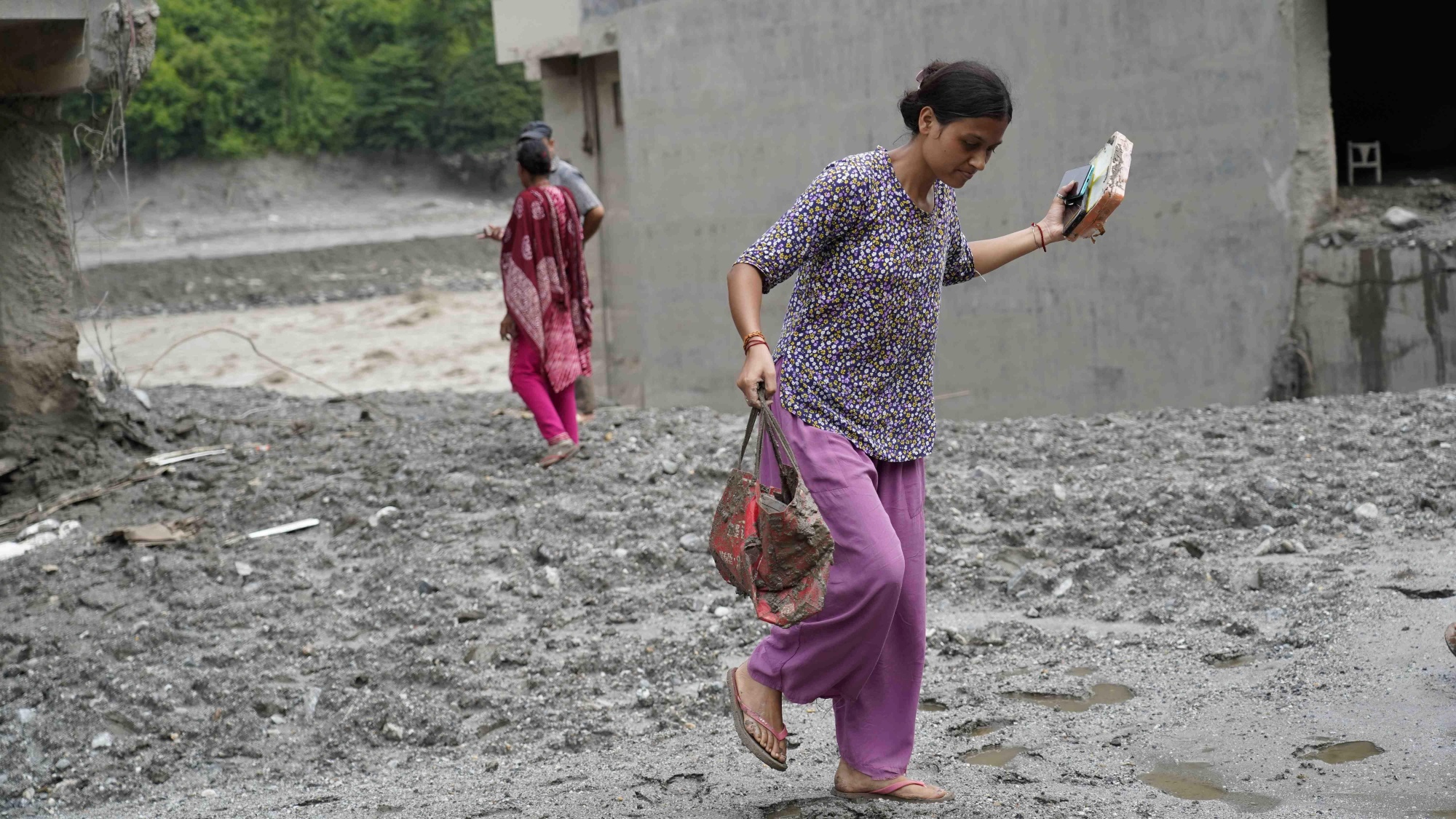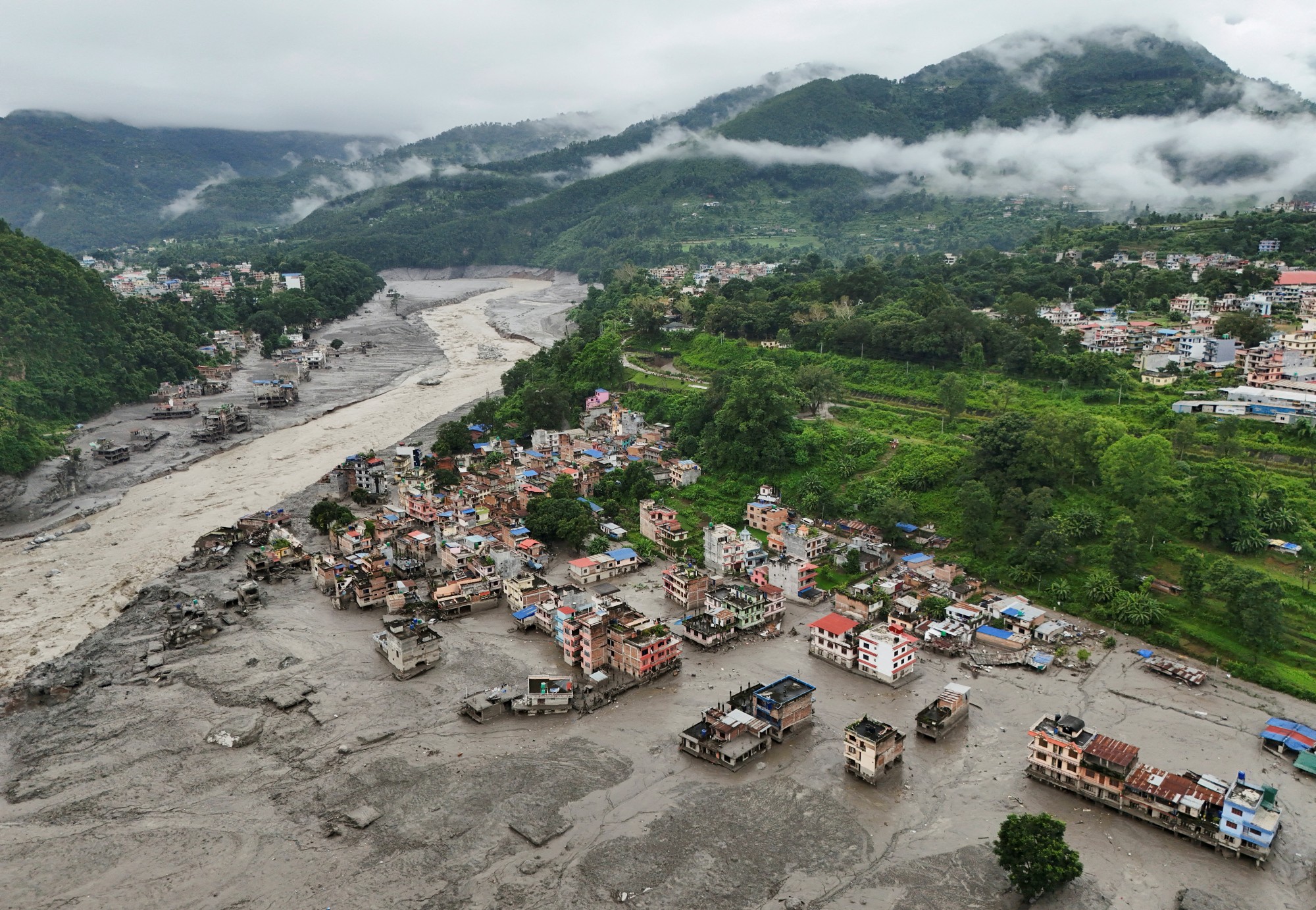


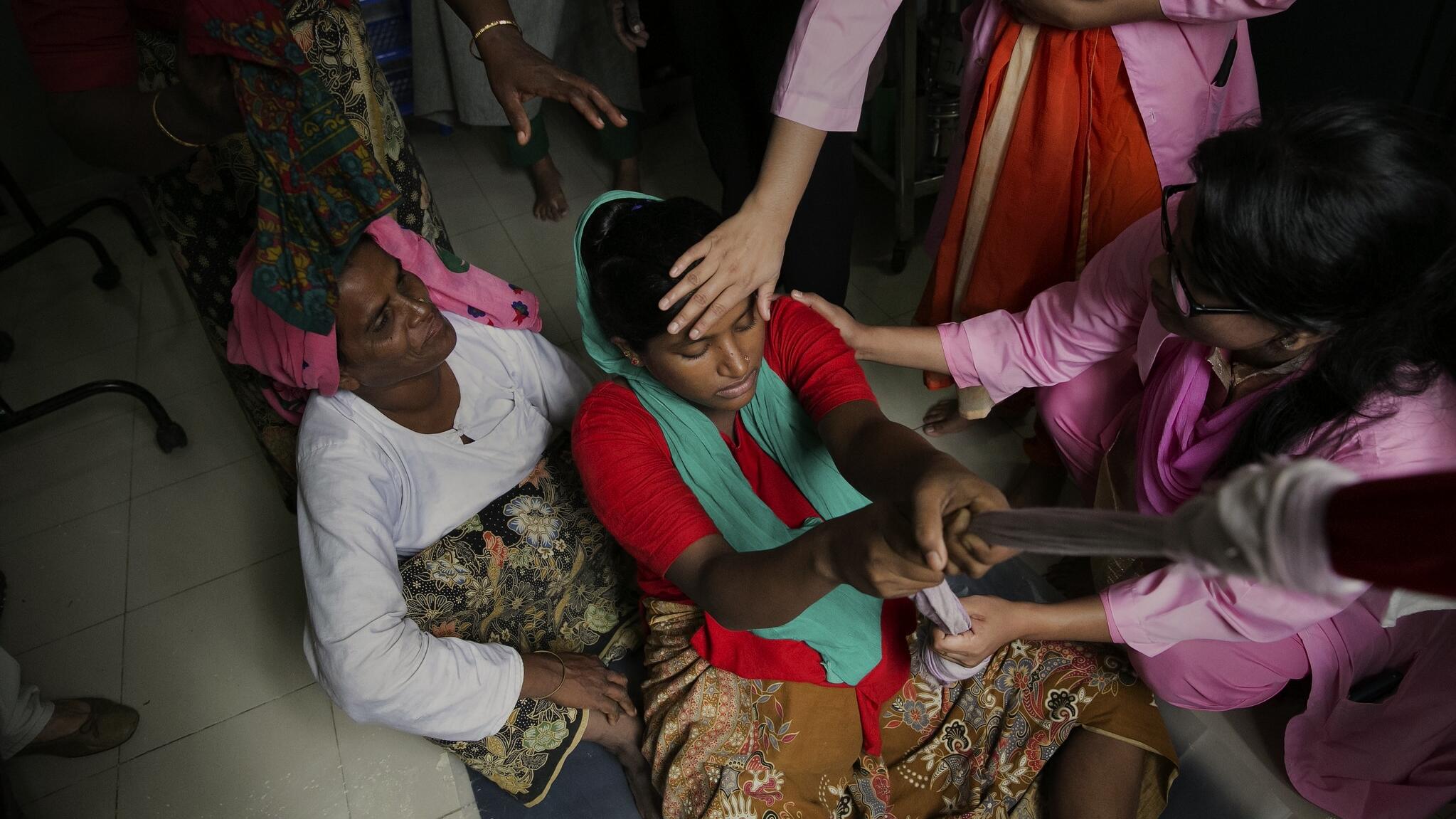
Across Asia and the Pacific, crisis is no longer a distant possibility. It is arriving by floodwater, earthquake, cyclone, displacement and conflict, often hitting the same communities before recovery has even begun. For women and girls, danger does not recede when the storm passes or the ground stops shaking. It deepens when clinics are damaged, midwives are out of reach, shelters offer no privacy, lights fail, counsellor positions are cut and referral pathways collapse.
On World Humanitarian Day, we honour the frontline workers, volunteers and partners who keep these lifelines open. Behind every clinic that reaches an isolated community, every safe space and every woman who receives care in a crisis are people working to ensure that essential services remain available when they are needed most. Their work is lifesaving. It is also under threat.
In 2026, as humanitarian crises become more complex and far-reaching, funding shortfalls are already leaving millions of women and girls across the region without access to essential sexual and reproductive health and gender-based violence services. The numbers are stark. Behind each one is a woman waiting for care that may no longer come.
For women and girls in crisis, these six lifelines can make the difference between being reached and being left behind.
1. Safe birth within reach
When disaster strikes, pregnancy can become more dangerous overnight.
In Afghanistan’s Nuristan Province, flash floods in July 2026 damaged homes, roads, bridges and a health clinic. For Qamargull, 25 and in the final trimester of pregnancy, the floods also brought sudden grief: her husband was killed, leaving her to care for three children while preparing to give birth. A UNFPA-supported emergency team reached her the next day with pregnancy care, psychological first aid and a dignity kit — a reminder that she was not alone.
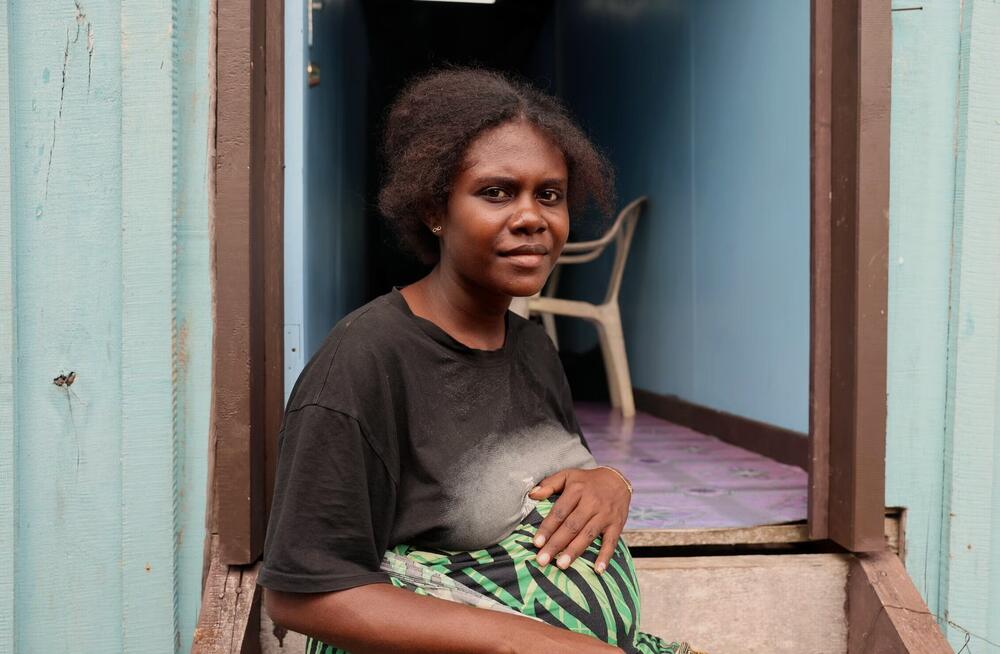
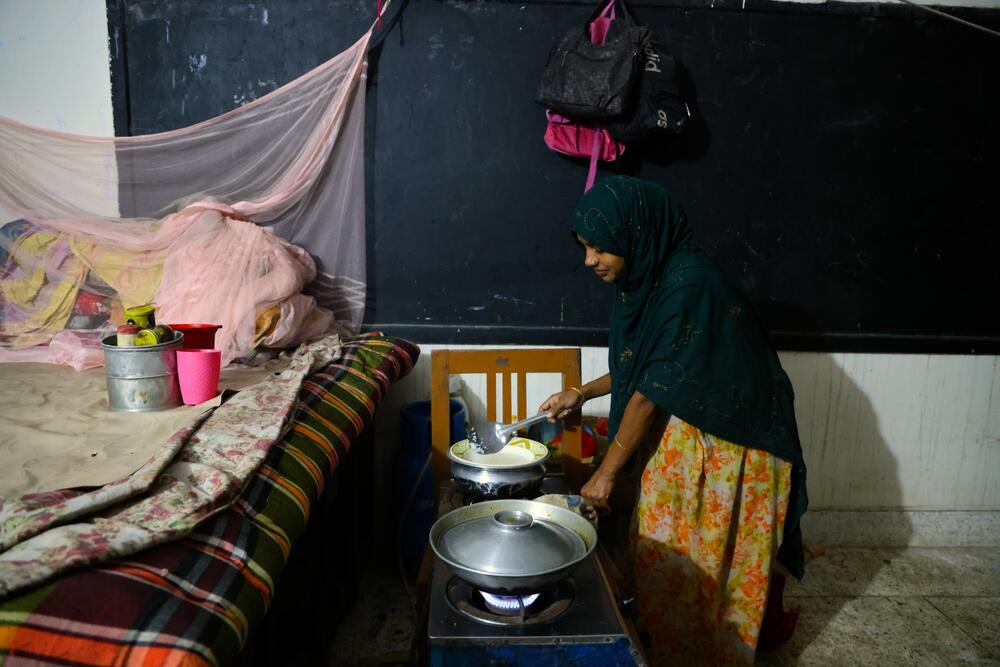
In Bangladesh, floods and landslides have cut off access to maternal care for thousands of pregnant women. Laila, seven months pregnant and displaced with her children, described the fear of living in a crowded shelter with poor lighting, shared toilets and no privacy. UNFPA-supported midwives and health facilities are helping women like her access care, referrals and essential supplies during the flood emergency.
A safe birth can mean the difference between life and death. But when funding is cut, access to this lifesaving care is put at risk.
2. A clinic that moves
In a crisis, the nearest clinic may be damaged, closed or impossible to reach. Care has to move.
After the 2025 earthquake in eastern Afghanistan, UNFPA-supported mobile health teams reached pregnant women in affected villages, including Zainab, who was five months pregnant and living in a makeshift shelter after her home collapsed. A midwife found that she was anaemic and had dangerously low blood pressure, requiring immediate attention. Across the earthquake zone, thousands of pregnant women needed urgent reproductive and maternal health care through mobile teams.
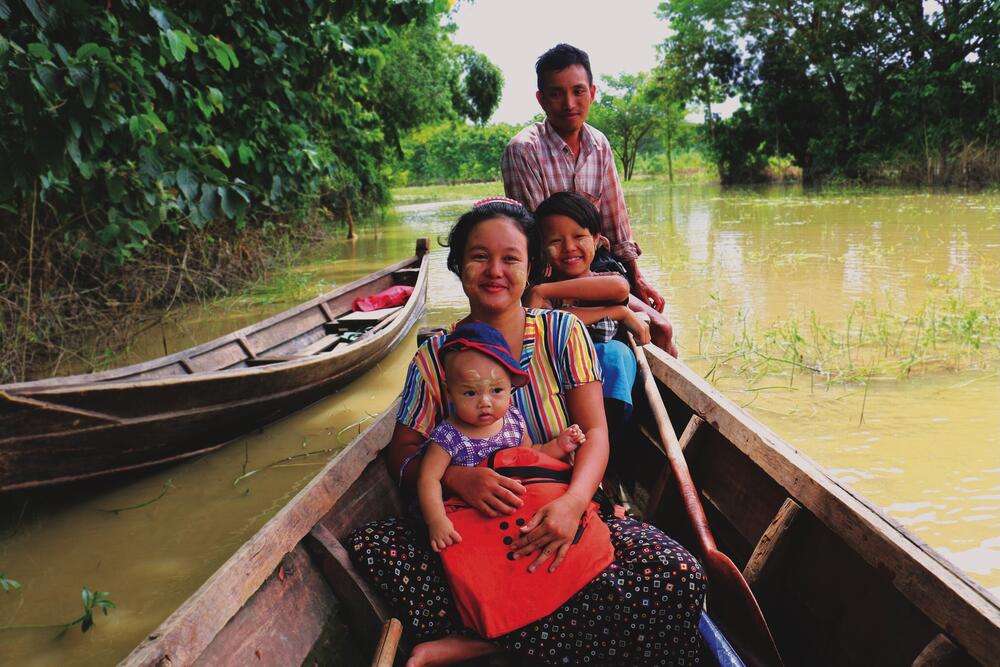
In Myanmar, damaged roads, broken bridges and disrupted river crossings cut communities off from services after the March 2025 earthquake. Mobile and floating clinics helped keep sexual and reproductive health care, psychosocial support and referrals moving through affected areas. Local volunteers became the bridge between women and the services they needed, carrying information and trust through their own communities after the earthquake.
A clinic does not always need walls. It needs trained workers, supplies, safe access and the funding to keep going.
3. A safe place
A roof alone does not guarantee safety.
After Cyclone Ditwah in Sri Lanka, thousands of families remained in safety centres for extended periods. Women, girls, older persons, and persons with disabilities faced particular risks, from dark toilets and exposed sleeping areas to inaccessible facilities and lack of confidential support.
Across 17 centres in the disaster-affected areas, UNFPA and government partners carried out gender-based violence safety verifications. Their findings led to practical recommendations for greater privacy, stronger referral pathways and more dignified living conditions. This helped integrate protection into the response to the storm, rather than leaving it for later.
In the Philippines, safe spaces established after Typhoons Kristine and Pepito gave women and girls room to breathe, talk in confidence, receive psychosocial care and find the services they needed. Golda Altar, a registered midwife and volunteer facilitator, helped make these safe spaces places where women knew they would be heard and supported.
In Myanmar, women spoke of fear, grief, lost livelihoods and the exhaustion of enduring one disaster after another. Women and Girls Centres connected them with counselling, health information, GBV services, referrals and livelihood skills. For many, the first step towards recovery was simply being able to speak freely in a place they trusted.
A safe space is created through thoughtful design, trained staff and sustained protection. The counsellors, case workers, psychologists and social workers who provide that care belong at the heart of humanitarian response.
4. Cash for choice
In an emergency, choice can save lives.
In Sri Lanka, pregnant and lactating women affected by Cyclone Ditwah received cash assistance to help cover transport, health care, medicines and food. For women navigating damaged infrastructure and rising costs, cash offered flexibility at the moment decisions had to be made quickly. It helped women reach clinics, protect nutrition and choose what their families needed most after Cyclone Ditwah.
In Indonesia, cash assistance helped women displaced by the 2025 Mount Lewotobi Laki-laki eruption overcome barriers to essential maternal health care. Eight months pregnant, Mama Oci used the assistance to travel more than 50 kilometres from her shelter to a hospital for care that was unavailable at the local clinic. She also chose to save part of the cash for emergency needs during labour and delivery, giving her greater agency to prepare for a safe birth.
Cash, transport support and local outreach help women act before risk becomes an emergency. Without funding, that window closes.
5. Dignity in a bag
A dignity kit is simple. Its impact is not.
Farzaneh returned to Afghanistan with her three children and almost nothing. Unable to afford soap, shampoo or menstrual supplies, she felt helpless. A dignity kit and psychosocial support brought practical relief and helped restore her confidence.
In the Philippines, Mariwin was nine months pregnant when Typhoon Bualoi forced her family from their flooded home. With her local clinic closed, she travelled through debris by motorcycle and gave birth in a hospital lobby. A dignity kit helped her care for herself, her newborn and her other children as they began to recover.
Across the region, these kits provide soap, sanitary pads, underwear, flashlights and trusted information when basic supplies become scarce. Adapted kits also help ensure that women with disabilities are not left behind. The items may seem ordinary. In a crisis, they protect health, safety and dignity, and help women and girls regain a small but vital sense of control.
6. The people holding the line
Every lifeline depends on people: midwives, mobile health workers, GBV case workers, counsellors, volunteers and local partners who know which road is blocked, which family has moved, and who has stopped asking for help.
They are the human infrastructure of humanitarian response. In Myanmar, volunteers helped reconnect women to care after the earthquake. In the Philippines, women-friendly space facilitators helped survivors find safety and support after the storm.
But that human infrastructure is increasingly under strain. In 2026, funding shortfalls have closed service points, cut frontline roles and left women and girls across Afghanistan, Bangladesh, Myanmar and Pakistan without essential care. These are missed check-ups, births without skilled care, untreated trauma and long journeys made alone.
On World Humanitarian Day, frontline humanitarians are ready to reach women and girls wherever crisis strikes. But they cannot keep these lifelines open without sustained support.