


BANGKOK, 26 November 2026 — Nearly one billion young people aged 10–24 live in Asia and the Pacific, forming part of the most educated and connected generation in history. Yet economic insecurity, inequality, climate change and other mounting pressures are making it increasingly difficult for them to secure decent jobs, achieve independence and build the futures they want, according to a new United Nations report launched today in Bangkok.
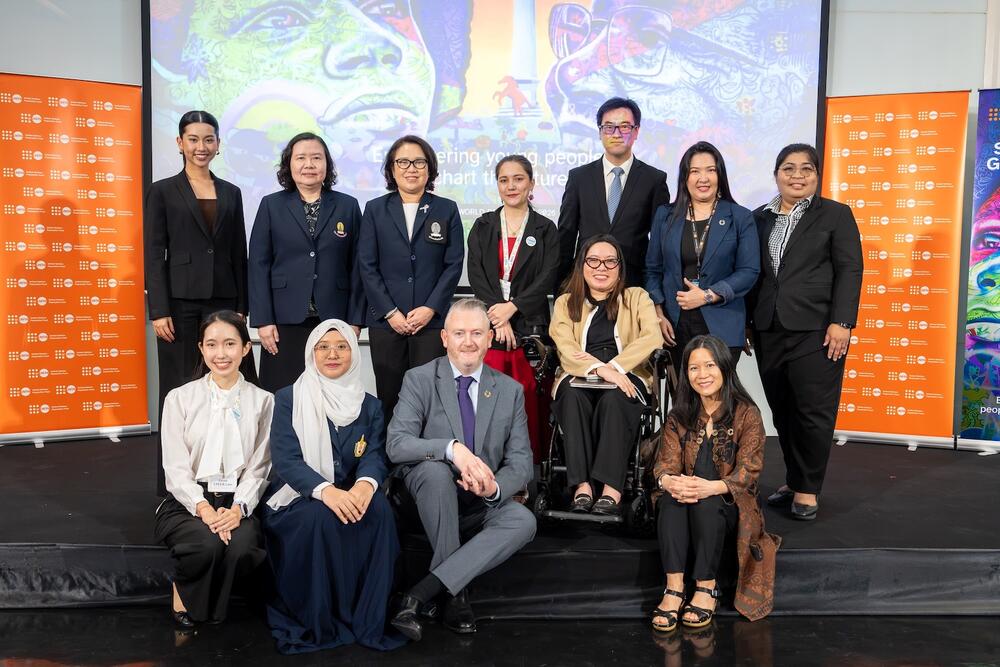
The State of World Population 2026 report, “Succeeding Generations: Empowering young people to chart the future,” was launched regionally in Bangkok by UNFPA, the United Nations Population Fund, at an event organized in partnership with the College of Population Studies at Chulalongkorn University.
The report highlights a growing disconnect between the opportunities young people have gained through advances in education, health and technology and the realities they face as they enter adulthood. Across Asia and the Pacific, one in five young people aged 15–24 are not in employment, education or training. Most are young women.
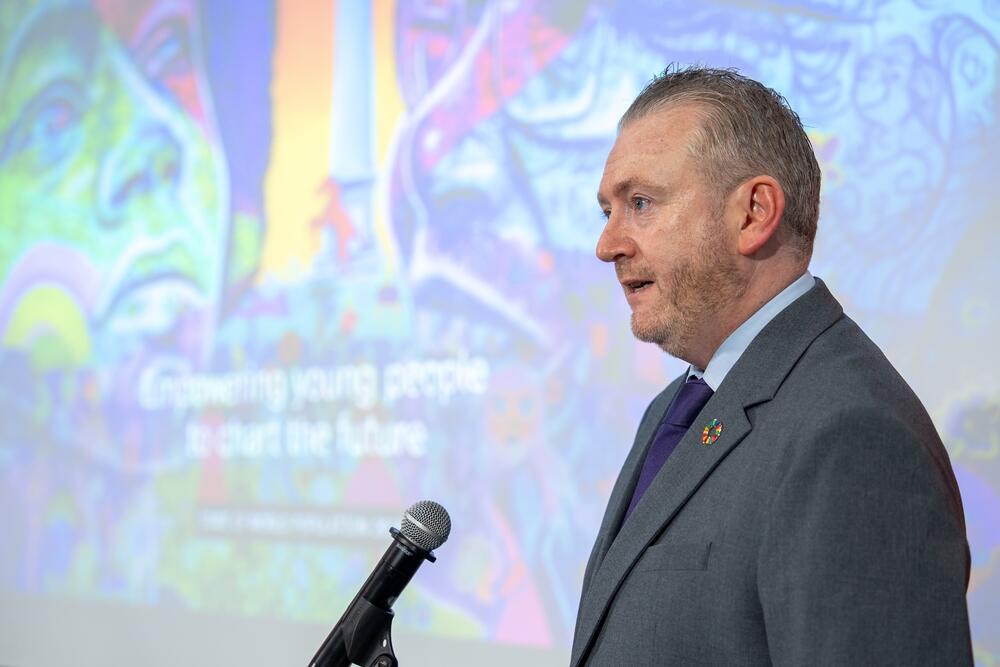
"Young people across Asia and the Pacific have enormous potential, but too many are being held back by circumstances beyond their control," said Pio Smith, UNFPA Regional Director for Asia and the Pacific. "Their hopes for a secure future, meaningful work and the freedom to make decisions about their lives should not depend on their economic circumstances or where they were born. We need to invest in their sexual and reproductive health, education and economic opportunities, while giving them a genuine say in the decisions that shape their futures."
These challenges extend to some of life's most personal decisions. UNFPA's global survey of more than 100,000 young adults across 73 countries found that 91 per cent of respondents wanted at least one child, but nearly three in four young people identify economic and housing constraints as important barriers to having children. The findings challenge assumptions that young people are turning away from relationships and family life. Instead, many are struggling to reconcile their hopes with the economic and social realities they face.
Across Asia and the Pacific, demographic trends vary widely, from very low fertility and rapid population ageing in East Asia to large youth populations in South and Southeast Asia and younger, growing populations in parts of the Pacific. Yet across these different contexts, the priority remains the same: ensuring everyone can make free and informed decisions about whether, when and how many children to have, and with whom.
For Thailand, the findings come amid significant demographic change, including population ageing and persistently lower fertility. They underscore the importance of policies that address the economic and social barriers facing younger generations, while protecting reproductive rights and expanding opportunities.
"Thailand's demographic transition presents important questions about how we support younger generations and prepare for the future," said Asst. Prof. Rukchanok Karcharnubarn, Ph.D., Dean of the College of Population Studies, Chulalongkorn University. "The priority should not be to prescribe the choices young people make, but to understand the conditions shaping those choices. Evidence-based policies that strengthen economic security, promote gender equality and support individuals and families can help ensure that demographic change is met with opportunity rather than uncertainty."
The report documents significant progress in adolescent health. Adolescent childbearing rates halved between 2000 and 2023 in South Asia, East Asia and the Pacific, demonstrating the impact of sustained investment in health, education and reproductive rights. Thailand's efforts to reduce adolescent pregnancy offer another example of how coordinated policies, youth-friendly health services, social and legal protection, and community engagement can improve outcomes for adolescent girls.
Yet progress remains uneven in the region. Economic pressures, persistent gender inequalities and emerging threats, including technology-facilitated gender-based violence, continue to constrain young people's choices.
The report also highlights the gap between young people's growing role in society and their limited influence over decisions that affect them. Just 2.2 per cent of parliamentarians in Asia and 2 per cent in the Pacific, are aged 30 or younger, both below the global average of 2.8 per cent.
Despite these challenges, young people remain optimistic about their futures. Around two-thirds of respondents to UNFPA's global survey expressed optimism about the future, even as fewer than 42 per cent believed governments adequately supported young people or families, or that employers supported work–life balance.
UNFPA called on governments to translate this optimism into opportunity through greater investment in education and lifelong learning, decent jobs, affordable housing, accessible sexual and reproductive health services, gender equality and meaningful youth participation in policymaking.
The central message of the report is clear: investing in young people's health, education, rights, opportunities and influence today will help shape more resilient and prosperous societies for generations to come.
Media contact
Katie Elles, UNFPA Asia-Pacific Regional Office, l elles@unfpa.org | +66 80 043 0525
Download the report: www.unfpa.org/swp2026