

Women’s health innovation is advancing rapidly across Asia and the Pacific. But innovation alone is not enough. Investment must reach the women and communities who need it most.
Next week in Singapore, I will join discussions at the Philanthropy Asia Summit on how philanthropy, innovation and private capital can help strengthen women’s health and resilience across our region.
But, despite progress, maternal health and sexual and reproductive health remain critically underfunded, especially in remote, climate-vulnerable and underserved communities
And the urgency is growing.
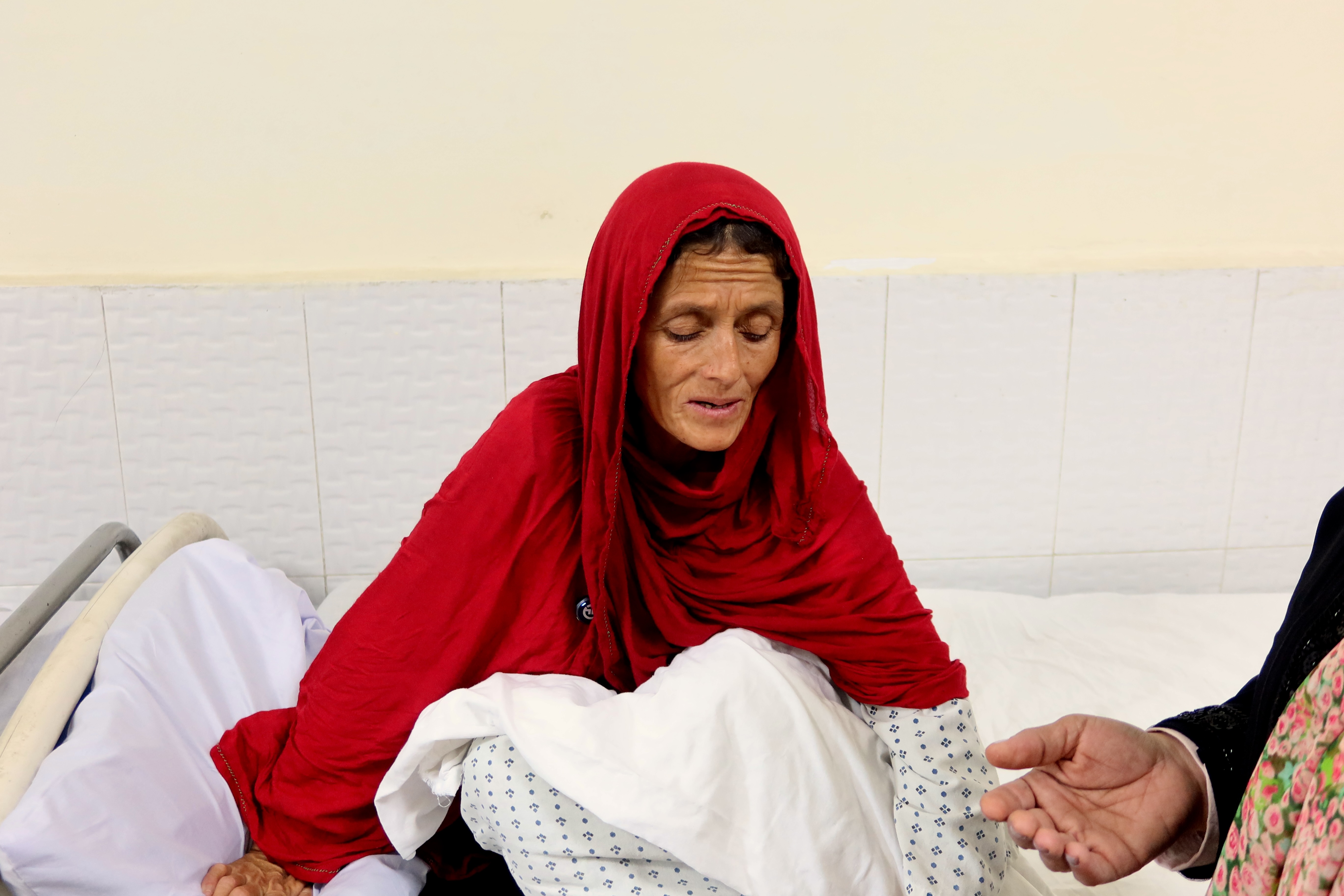
Extreme heat is already affecting maternal and newborn health outcomes. Climate stress is disrupting healthcare access, increasing pressure on overstretched systems and placing pregnant women at greater risk, especially in small island states and communities on the frontlines of climate change.
Yet these realities still receive far too little attention in global financing and innovation discussions.
So, this is a moment for funders, philanthropies, innovators and development partners to ask ourselves some difficult but necessary questions:
- Are we investing in the women and communities most at risk of being left behind?
- Are we doing enough to protect progress on women’s health and rights at a time of growing pushback?
- And are we building partnerships capable of moving from promising ideas to meaningful regional impact?
This is where UNFPA has a unique role to play.
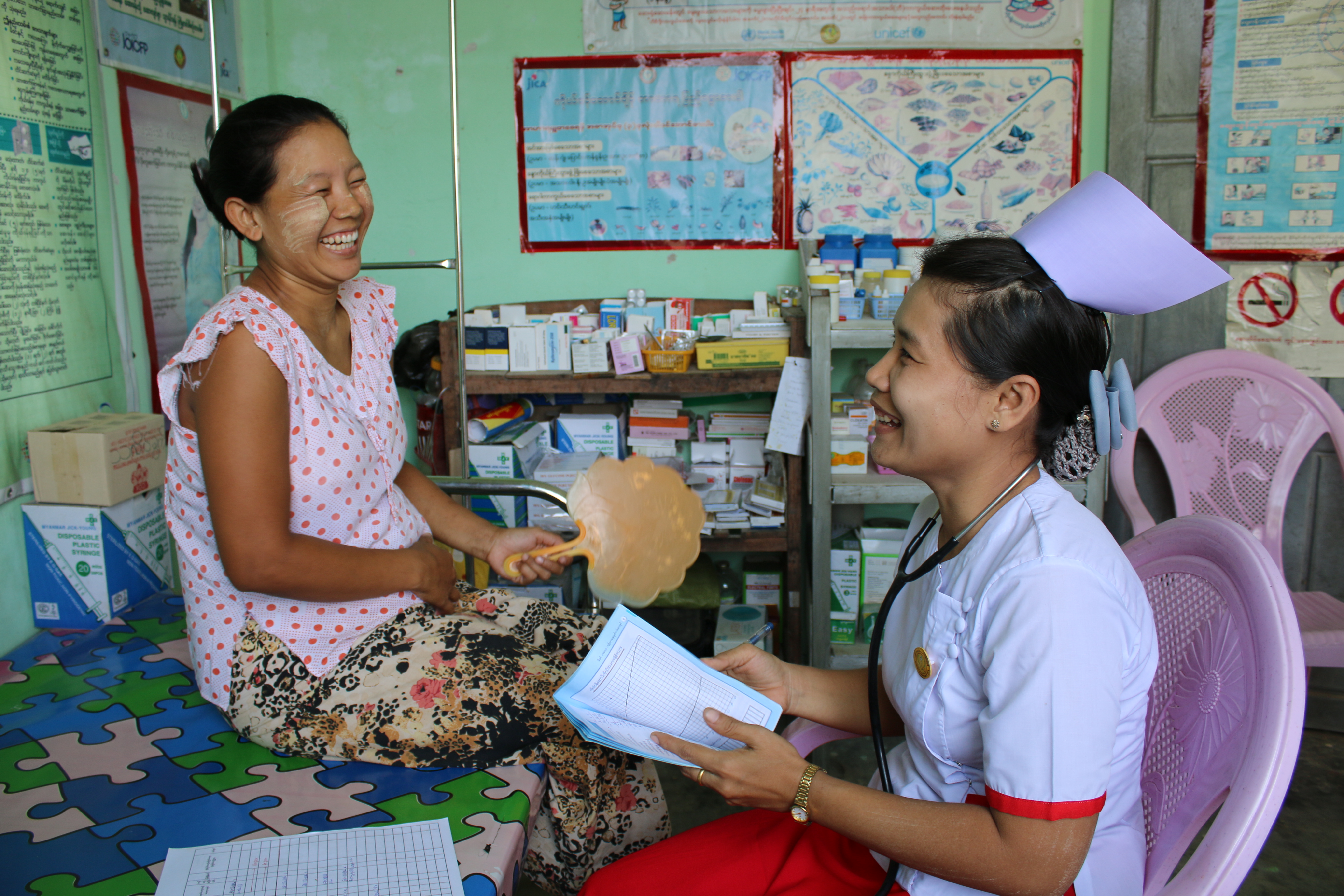
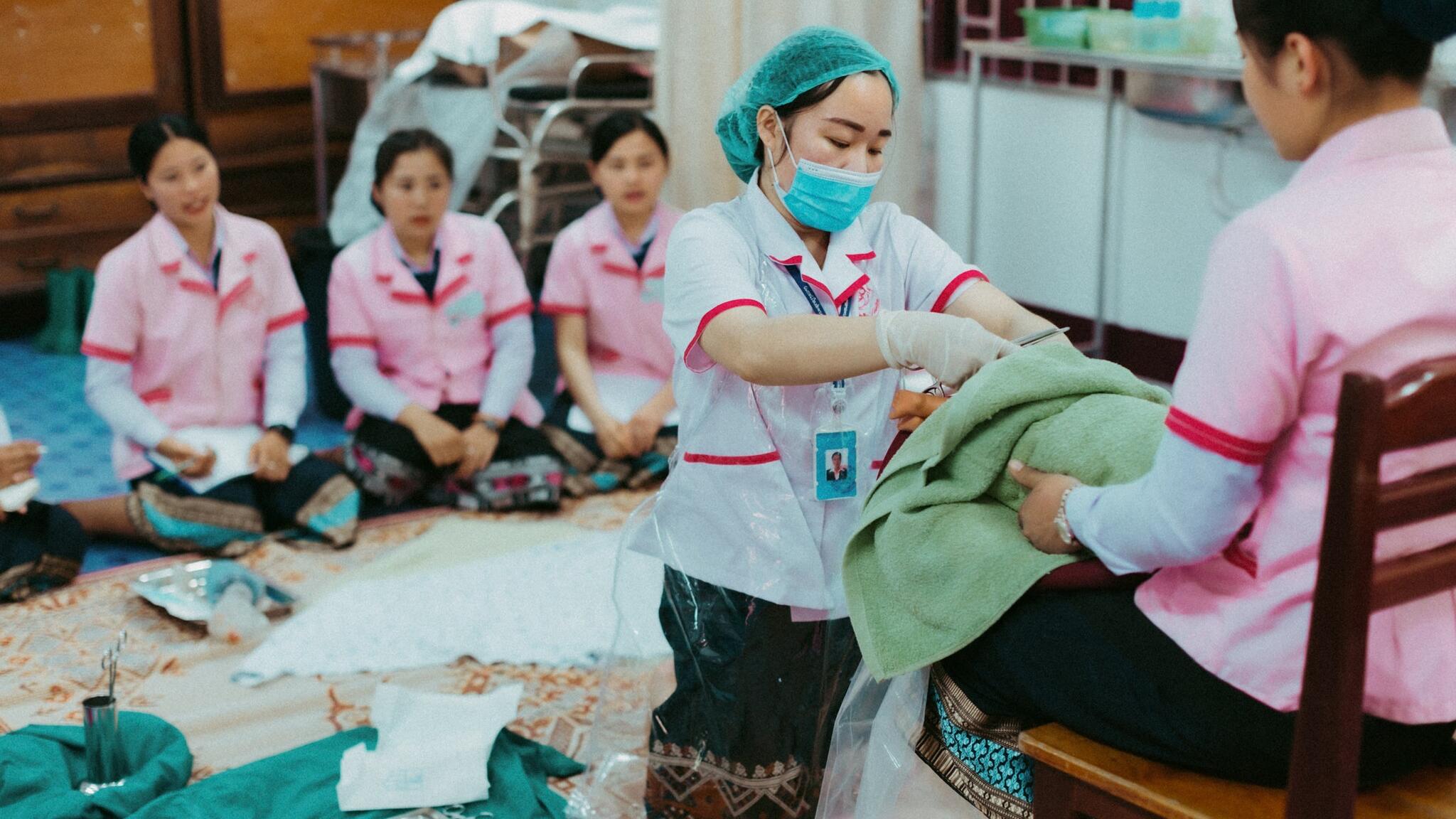
We work across policy, frontline delivery, humanitarian response and community engagement throughout Asia and the Pacific, partnering with governments, health systems, innovators and local organizations to expand access to care where it is needed most.
For UNFPA, innovation is not simply a buzzword. It is about whether a woman can safely give birth during a climate emergency, whether a young person can access trusted health information, and whether communities can adapt and remain resilient in times of uncertainty.
Last month in the Pacific, I saw how digital health solutions can help expand access to maternal and sexual and reproductive health services in remote island settings. In places where a pregnant woman may need to travel for hours by boat to reach care, innovation has the potential to connect women and girls to trusted information and services before emergencies become life-threatening.
It was a reminder that innovation has the greatest impact when it is locally-led, grounded in lived realities and reaches the women and communities most at risk of being left behind.
I would very much welcome the perspectives of funders, philanthropists, innovators and civil society partners on these issues, and I look forward to continuing these conversations in Singapore in the days ahead.
---
Op-ed by Aleksandar Sasha Bodiroza, Regional Director, a.i. UNFPA in Asia and the Pacific.