

When humanitarian funding is cut, essential services disappear.
Health facilities close. Midwives lose their jobs. Safe spaces for women fleeing violence vanish.
In Asia and the Pacific, we are seeing the impact unfold in real time.
An estimated 10.8 million women and girls of reproductive age across the region need humanitarian assistance today. Among them are 1.2 million pregnant women who require safe, skilled care during childbirth. More than 20 million people urgently need services to prevent and respond to gender-based violence.
Yet as needs swell and resources shrink, women and girls are paying the ultimate price.
Across Afghanistan, Bangladesh, Myanmar and Pakistan, funding shortfalls this year alone will leave at least 2.4 million women and girls without life-saving health and protection services.
Behind that number are irreversible human consequences.
When a midwife post is eliminated, giving birth becomes life-threatening. When a safe space closes, a survivor of gender-based violence is left alone with trauma, fear and no confidential route to care.
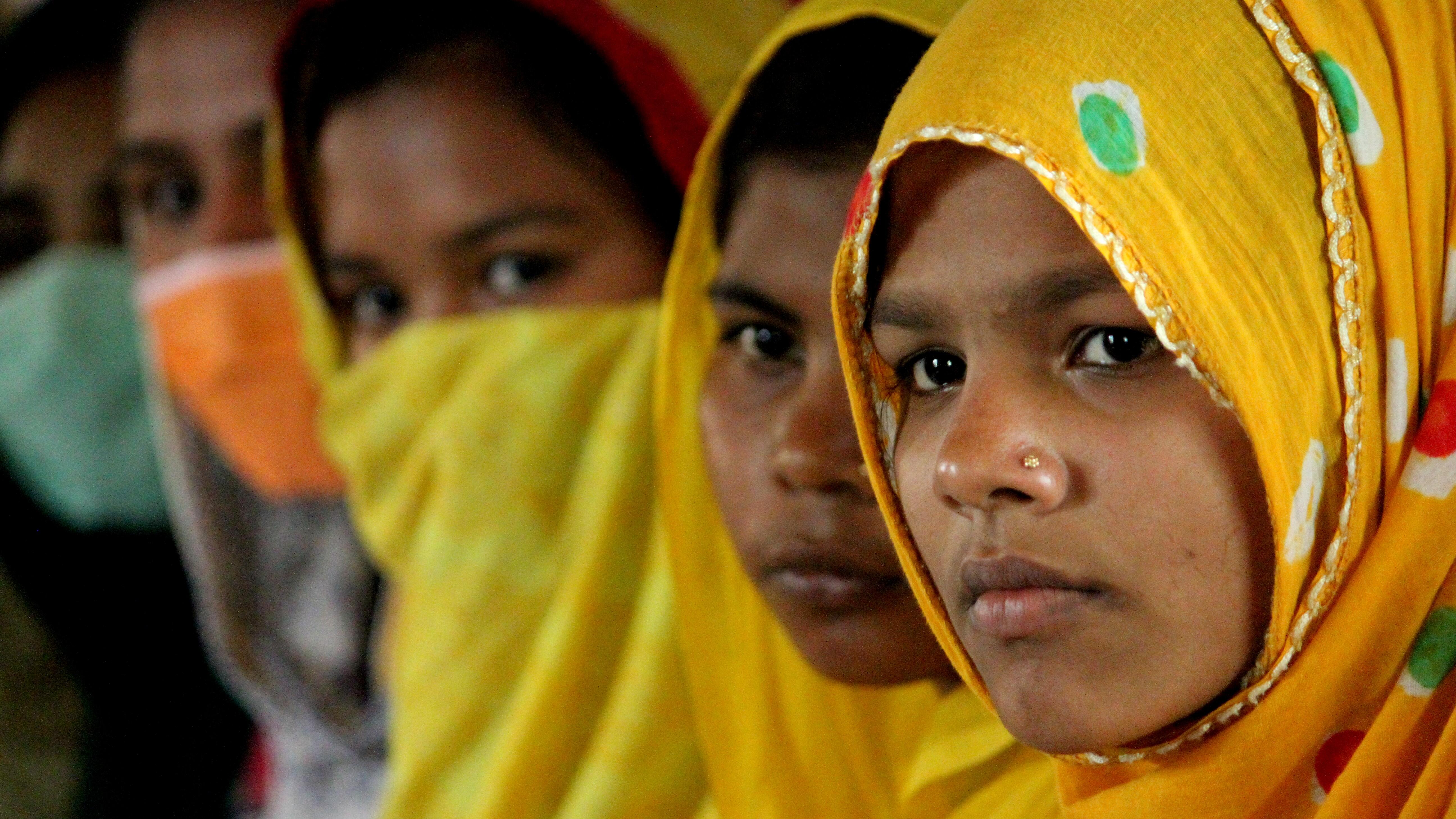
Picture a 14-year-old girl forced from her home, living in a displaced persons camp. Separated from her school and community, the small safe space in her camp is her only lifeline for health info, dignity kits, and protection. If funding cuts close that door, she faces an immediate risk of child marriage or sexual exploitation. We cannot let her down.
Across Afghanistan, Bangladesh, Myanmar and Pakistan, funding shortfalls this year alone will leave at least 2.4 million women and girls without life-saving health and protection services.
In Afghanistan, the retreat of funding has taken a devastating toll. At least 1.6 million women and girls have been left without access to sexual and reproductive health and gender-based violence services, with over 130 UNFPA, the United Nations Population Fund, supported service delivery points forced to close in the past year alone. For women and girls already facing severe restrictions on movement, education, work and public life, every shuttered facility narrows an already fragile path to care.
In Myanmar, ongoing conflict and displacement leave women and girls at severe risk. A US$7 million gap threatens to cut off 150,000 women and girls from safe delivery care, family planning and protection.
In Bangladesh, where Rohingya refugees and vulnerable host communities face relentless climate shocks, 288,000 women and girls are losing access to basic care as health posts scale back and midwife positions go unfilled.
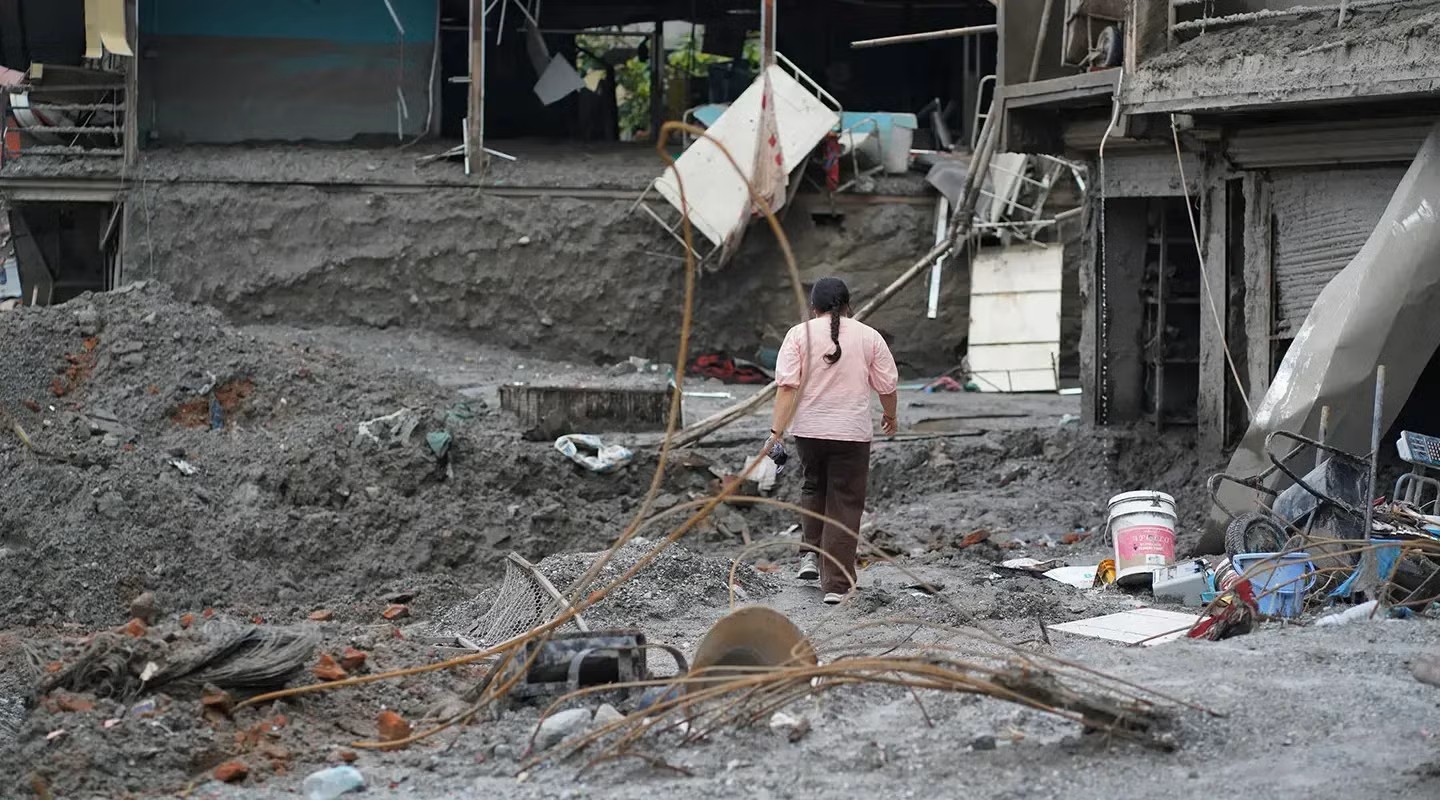
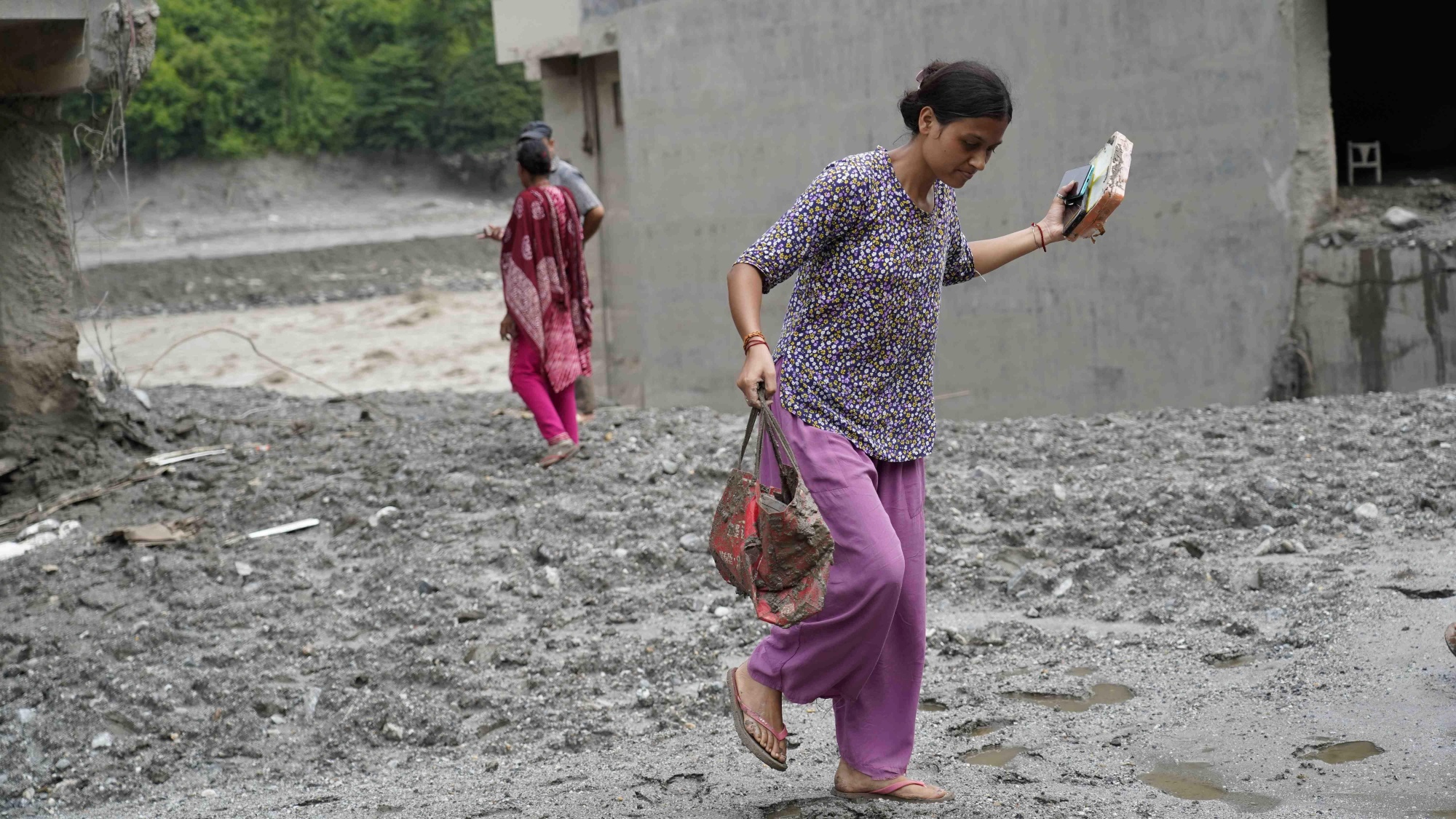
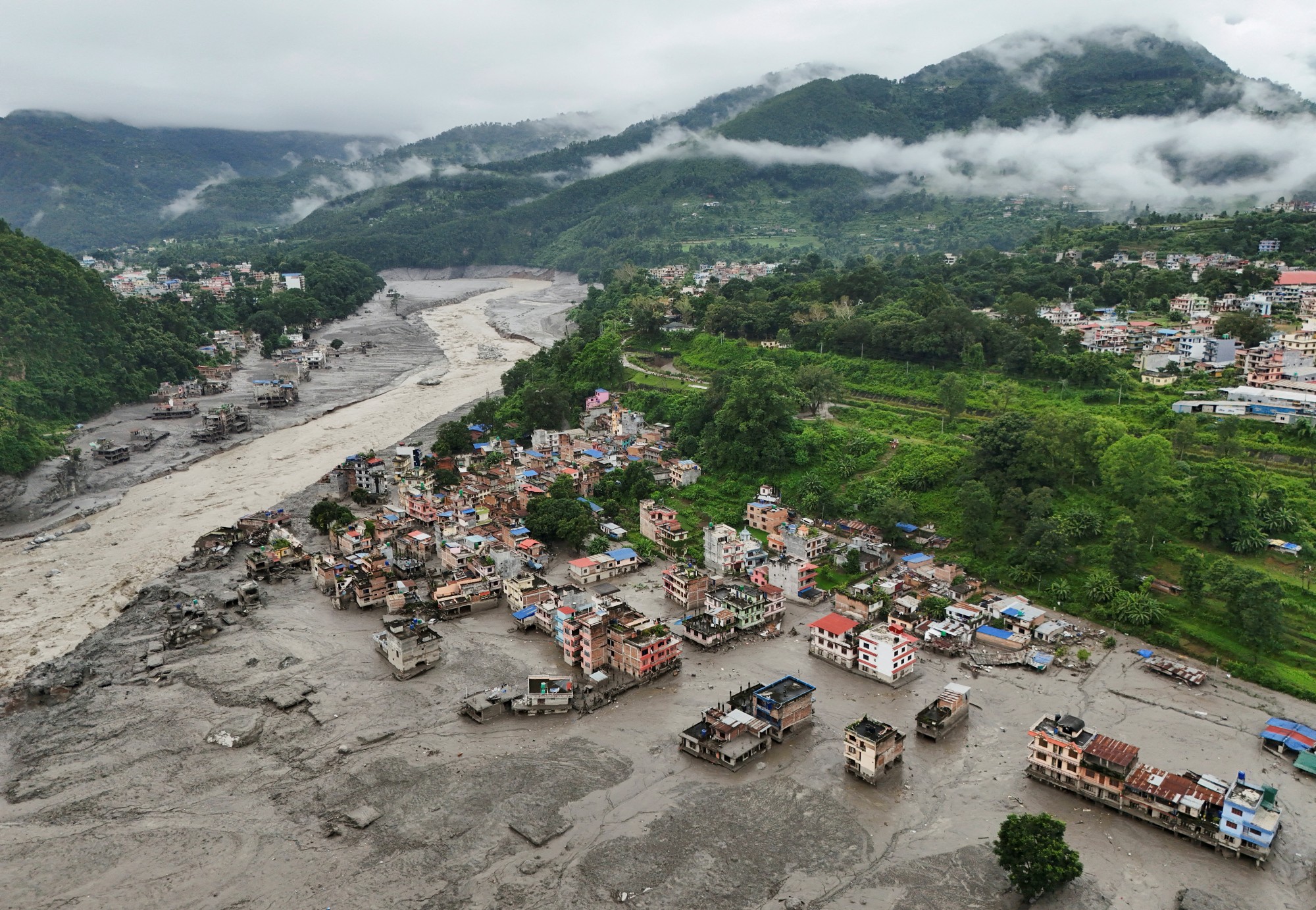
In Pakistan, long after floodwaters recede, the aftermath endures. Following the 2025 floods, at least 366,000 women, girls and other vulnerable people lost access to essential services, leaving long-term trauma and protection risks unaddressed.
As the world’s most disaster-prone region, Asia and the Pacific faces constant, compounding shocks. Cyclones, floods, heatwaves, and earthquakes damage infrastructure and sever access to basic care in a matter of hours.
In 2025, UNFPA responded to over 40 emergencies across 26 countries in Asia and the Pacific, reaching more than 2.5 million people with life-saving health and protection services.
Sustained investment is essential for preparedness. Services must be close, trusted and ready early enough to make a difference. That means pre-positioning life-saving supplies before disaster strikes, training local staff, and keeping emergency referral pathways wide open.
In 2025, UNFPA responded to over 40 emergencies across 26 countries in Asia and the Pacific, reaching more than 2.5 million people with life-saving health and protection services.
Speed matters, but local trust matters more. Real resilience is built by listening to local health systems, local authorities, and women-led community organizations that know exactly who is being missed.
On World Humanitarian Day, honouring those on the front lines- the midwife crossing flooded roads, the counsellor holding a survivor’s trust must be backed by tangible action.
Governments, donors and partners must protect humanitarian funding for health and protection services, invest in preparedness and ensure frontline workers can continue reaching the women and girls who depend on them.
We need the political will to keep clinics open, midwives at their posts, and safe spaces within reach.
Without that commitment, millions of women and girls will be left to face crisis alone.
About the author
Dr. Aleksandar (Sasha) Bodiroza brings 27 years of experience in strategic foresight, leadership, and management at the country, regional, and global levels in sexual and reproductive health, rights, and humanitarian programming. As UNFPA’s Regional Director ad interim for Asia and the Pacific, he leads the organization’s work across 36 countries.