

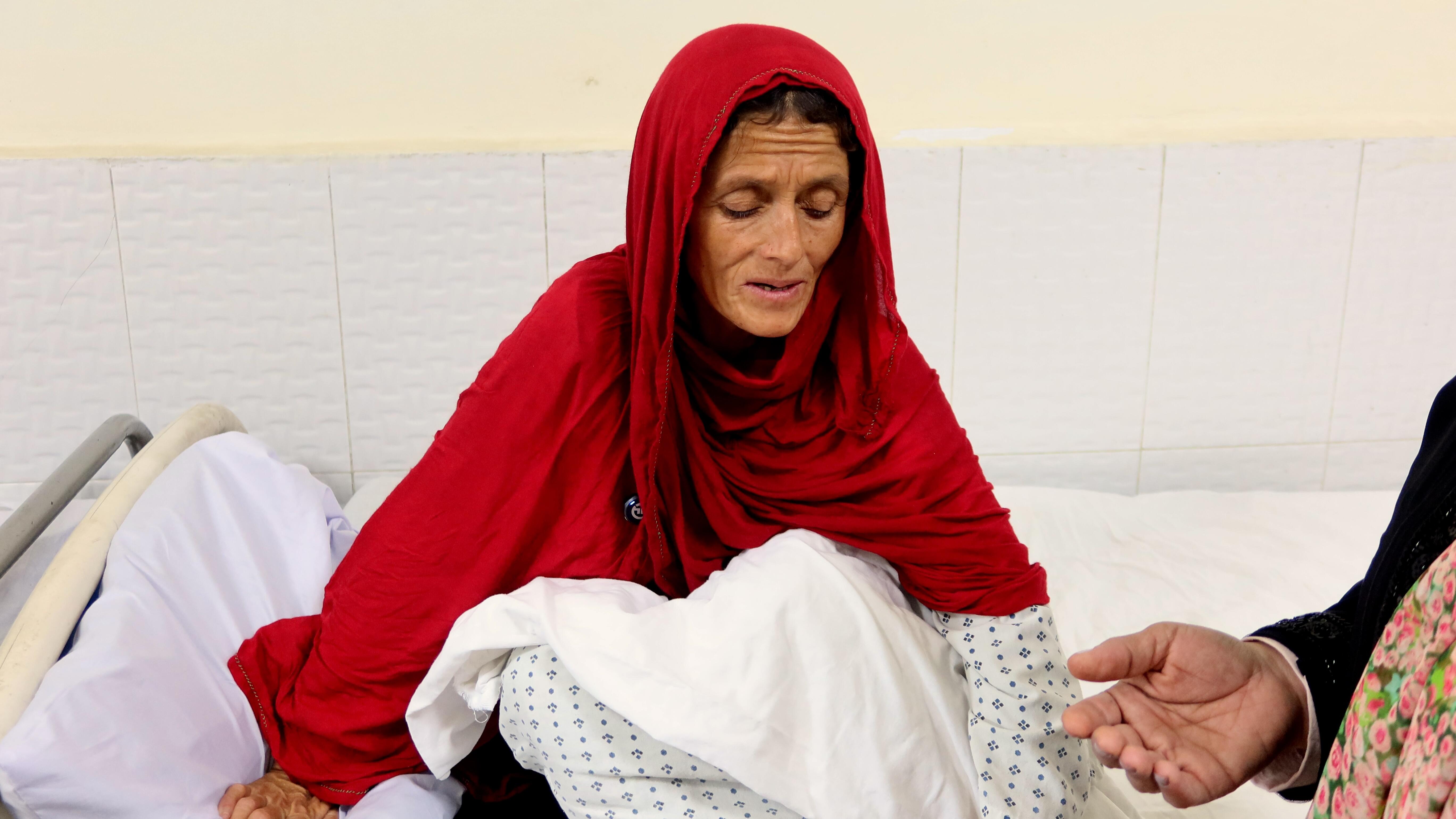
Some hospital visits stay with you long after you leave. At Malalai Hospital in Kabul, I met women who had travelled long and difficult roads from Afghanistan’s most remote communities to receive free treatment of obstetric fistula — a devastating childbirth injury many had lived with for years, often in silence and isolation.
Each had overcome unimaginable barriers to reach care. None were allowed to make the journey alone. Every woman was required to be accompanied by a mahram — a close adult male relative whose presence made it possible for her to leave home and access treatment.
For the women in the ward, the operation ahead represented far more than medical treatment. It offered hope of healing and rebuilding lives profoundly disrupted by the condition.
“Obstetric fistula is one of the most devastating childbirth injuries.”
Obstetric fistula is both a preventable medical condition and a stark outcome of unequal access to maternal healthcare. It most often occurs when prolonged, obstructed labour goes untreated because emergency obstetric care is unavailable or out of reach. The resulting opening between the birth canal and the bladder, rectum, or both causes continuous leakage of urine or faeces.
The consequences can be profound and life-altering. Many women lose their babies and experience chronic health complications, stigma, isolation, and exclusion from their families and communities.
Although obstetric fistula is entirely preventable and, in many cases, surgically repairable, it remains a largely hidden condition in Afghanistan. Its persistence reflects deep inequalities and gaps in access to timely, quality maternal health care. Available estimates suggest that more than 15,000 women in Afghanistan may be living with untreated fistula, making Afghanistan the fifth-highest country globally for prevalence. More cases occur each year as women continue to face barriers to accessing timely, quality maternal health services, particularly those in remote areas.
“Too many women remain beyond the reach of quality maternal health services.”
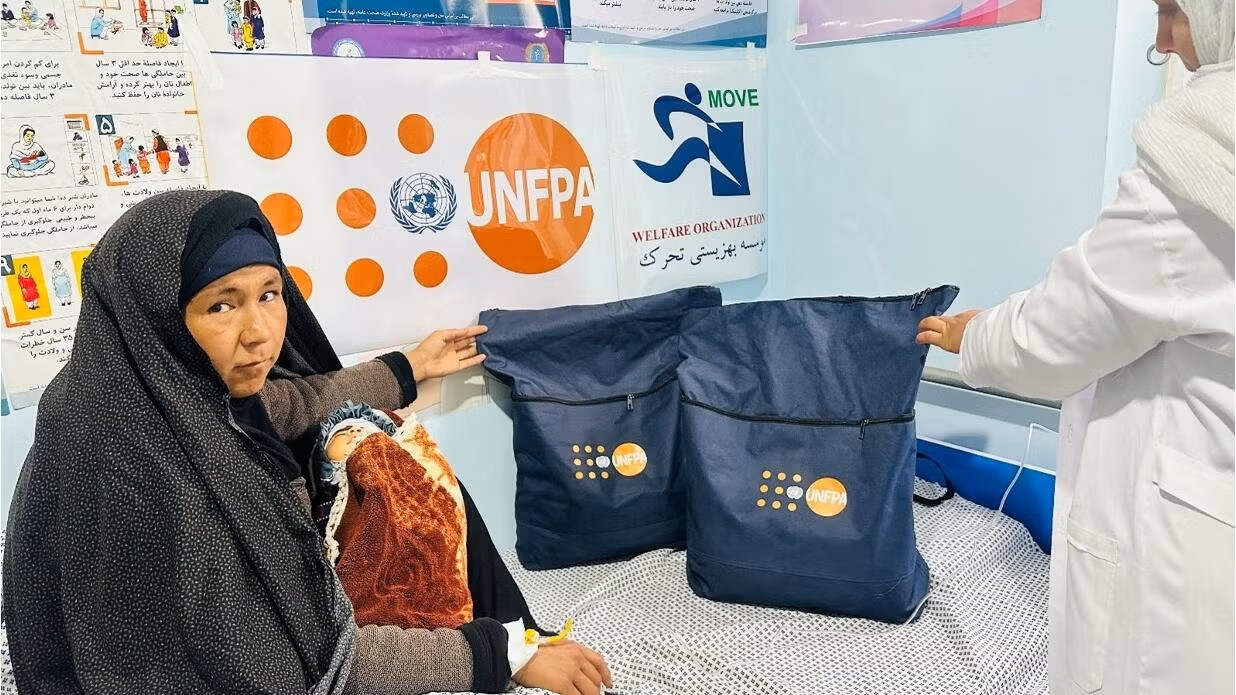
Since 2014, UNFPA has led efforts to eliminate obstetric fistula in Afghanistan. Working alongside national and international partners UNFPA supports fistula prevention and specialized surgical repair services, trains surgeons and health-care providers, expands access to quality care and raises awareness so that more women know that treatment is available and supports their access to this life-altering care.
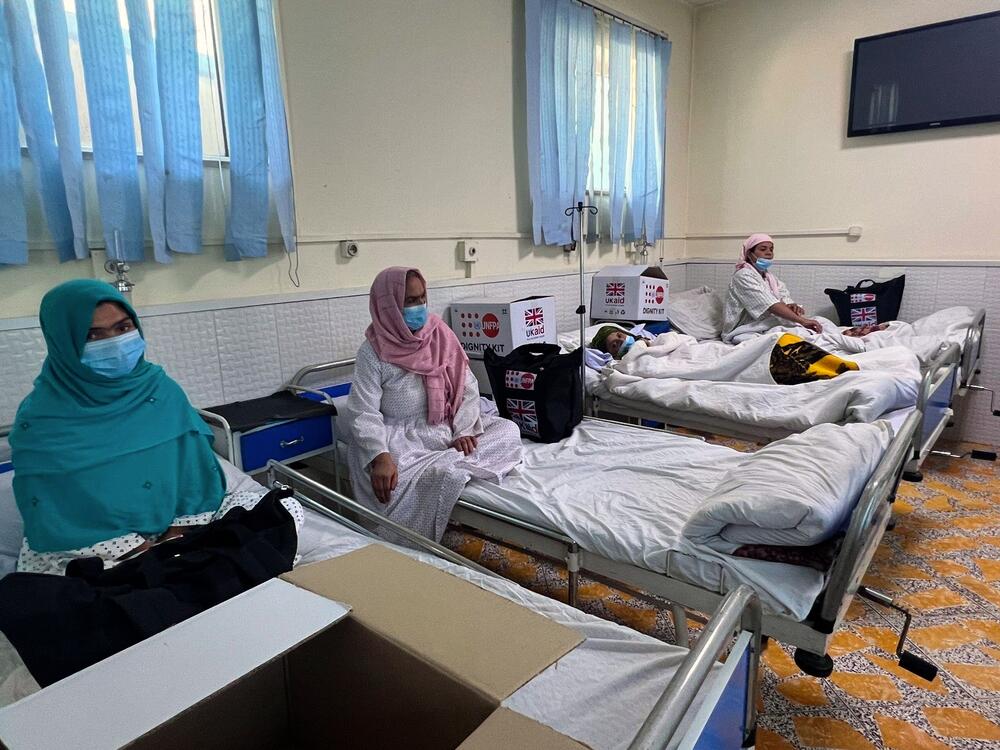
I know all of this. And yet, standing in the ward and seeing women lying in beds pushed close to one another as they recovered from surgery, I found it impossible to separate the statistics from the lives behind them.
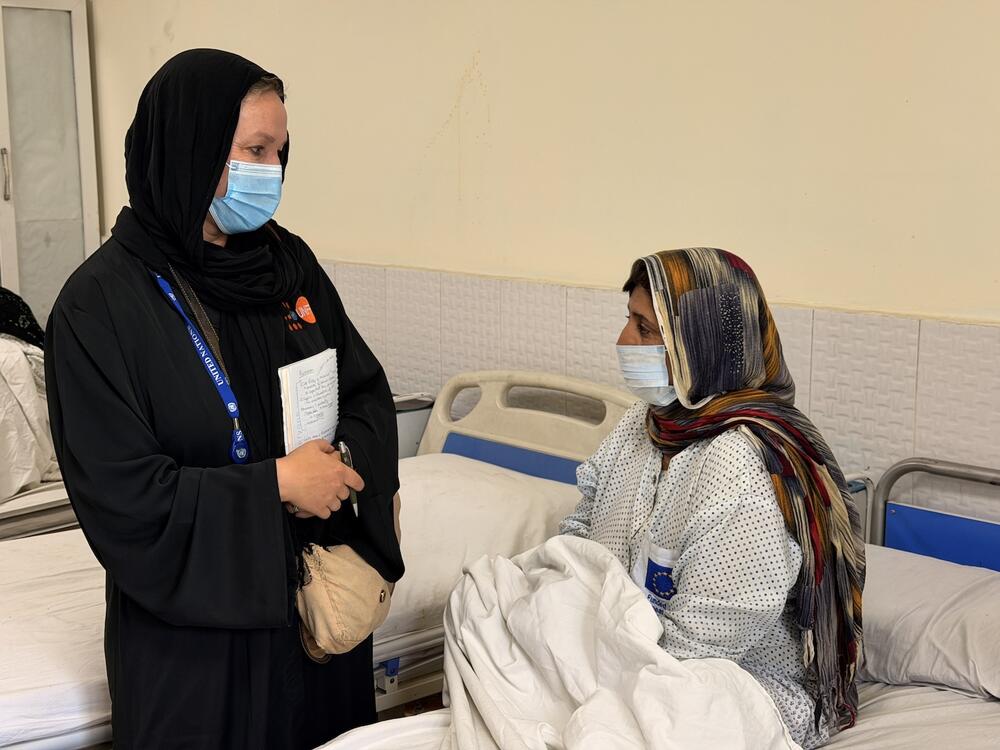
I met women who had lived with fistula for months, years, and, in some cases, decades. Many had lost their babies during the prolonged labour that caused the injury. Some had also been pushed to the margins of family and community life because of the stigma surrounding constant incontinence. They spoke quietly of avoiding relatives and gatherings, and sometimes of no longer leaving their homes, for fear of how others would react. Childbirth had marked the beginning not of the life they had anticipated, but of prolonged physical suffering, grief and isolation.
One woman’s experience was particularly difficult to hear. When I entered the ward with the surgeon and her team, she covered her face and began to cry. More than 25 years earlier, she had lost her baby during the labour that left her with fistula. She never became pregnant again. For decades, she lived with the condition without knowing it could be treated, enduring comments about the smell in her home and the social exclusion that followed.
She eventually learned about treatment through a family member who attended a community outreach event. For the first time in more than two decades, she knew that specialized care was available and that surgeons might be able to help her.
“Obstetric fistula is often hidden because women live in silence.”
Another patient was just 22 years old. She had developed fistula at 16 and later learned that she had multiple fistulas and severe complications from her childbirth injuries, with consequences she would carry throughout her life. During the examination, she remained silent as the surgeon gently placed a hand on her arm. Her injuries showed, with painful clarity, what prolonged, obstructed labour can do when timely, high-quality emergency obstetric care remains out of reach.
I left more convinced than ever that eliminating obstetric fistula must remain a priority for UNFPA in Afghanistan, and more determined to ensure that no woman or girl is left to suffer in silence. Every survivor must be reached with the information, care, and support she needs to heal, rebuild her life and reclaim her dignity.
Fore more information
Shannon McNab
Regional adviser on sexual and reproductive health and rights
UNFPA Asia and the Pacific Regional Office
mcnab@unfpa.org