

Obstetric fistula remains one of the most devastating childbirth injuries, affecting thousands of women and girls across Asia and the Pacific. It occurs when prolonged, obstructed labour causes a hole between the birth canal and the bladder or rectum, leaving women with chronic incontinence, pain, and often deep social isolation.
While the condition is largely preventable, it is surrounded by persistent myths that fuel stigma, delay treatment and deepen isolation. Confronting these misconceptions is essential to restoring dignity and ensuring access to care.
Myth 1: Obstetric fistula is no longer a serious issue
Fact: While obstetric fistula has been almost eradicated in many parts of the world, the reality is far more troubling. The global burden of fistula is heavily concentrated in sub-Saharan Africa and Asia and the -Pacific, which account for an estimated 97 per cent of all cases. Afghanistan has the highest prevalence rate of any single country, at 145 cases per 100,000 women.
Women and girls who are young, malnourished, living in poverty, or far from health facilities face the greatest risk. This is not a random condition. It reflects deep and persistent disparities in healthcare access, education and gender equality.
Myth 2: It is not preventable
Fact: Obstetric fistula is preventable. It occurs when prolonged, obstructed labour goes untreated, sometimes for days. With access to skilled birth attendants, timely referral systems and emergency interventions such as caesarean sections, fistula can almost always be avoided.
Across Asia and the Pacific, long distances, disrupted health systems and limited access to emergency care all increase the risk of obstetric fistula, especially in remote and crisis-affected communities. Framing fistula as an unavoidable outcome of childbirth only normalizes preventable suffering and discourages investment in strong, equitable and resilient maternal health systems.
Myth 3: It is untreatable
Fact: This is one of the most harmful misconceptions about obstetric fistula. In reality, reconstructive surgery can usually repair a fistula, often with life-changing results. With the right investment, around US$600 for a single procedure, a woman can receive reconstructive surgery that restores her health and dignity.
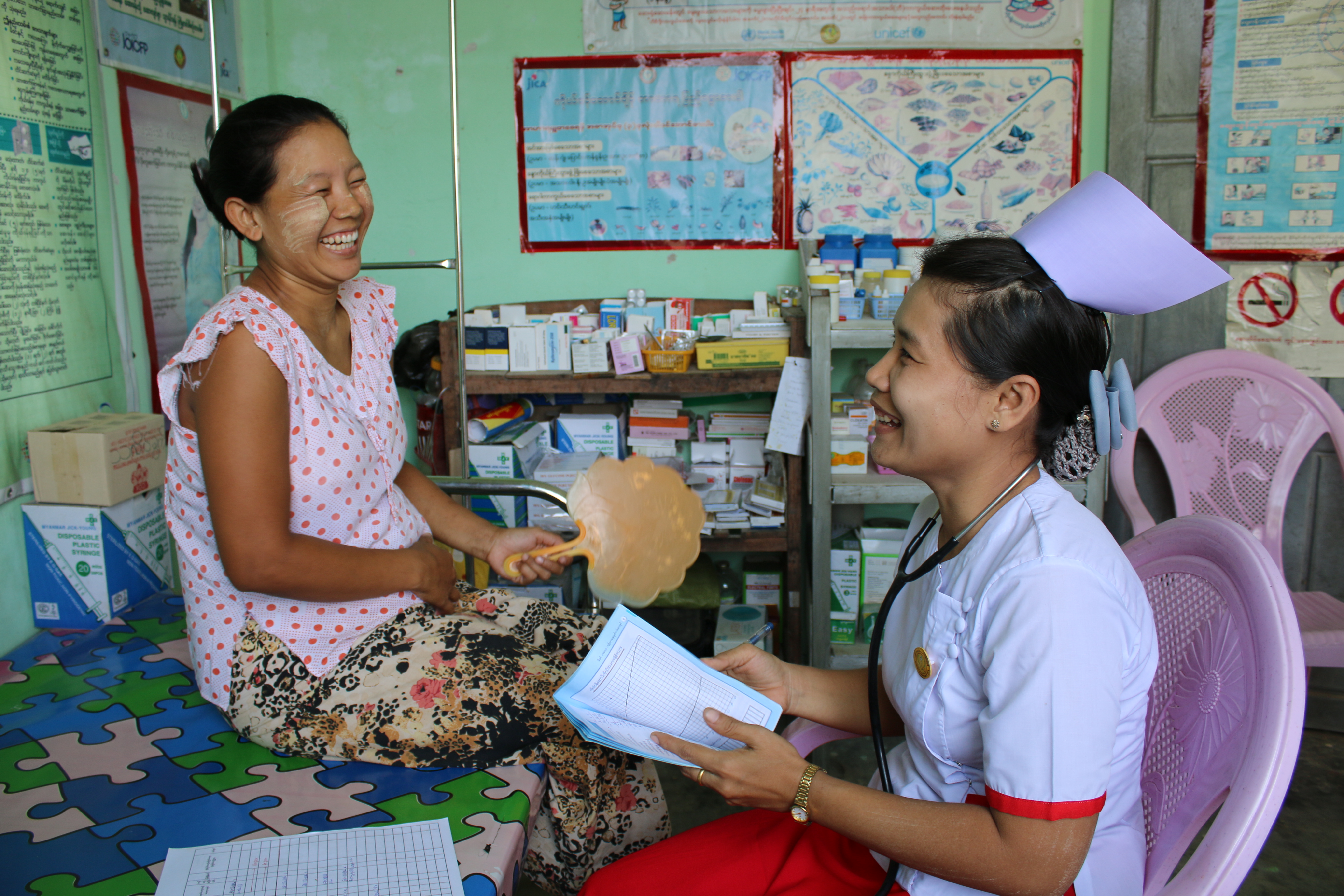
Early intervention is critical, yet access to care remains the main barrier. This is why the United Nations Population Fund (UNFPA) works to strengthen health systems by training health personnel, including midwives, surgeons, anaesthetists and fistula care teams, while expanding access to quality emergency obstetric and newborn care, especially in remote communities across Asia and the Pacific.
Myth 4: It only has physical consequences
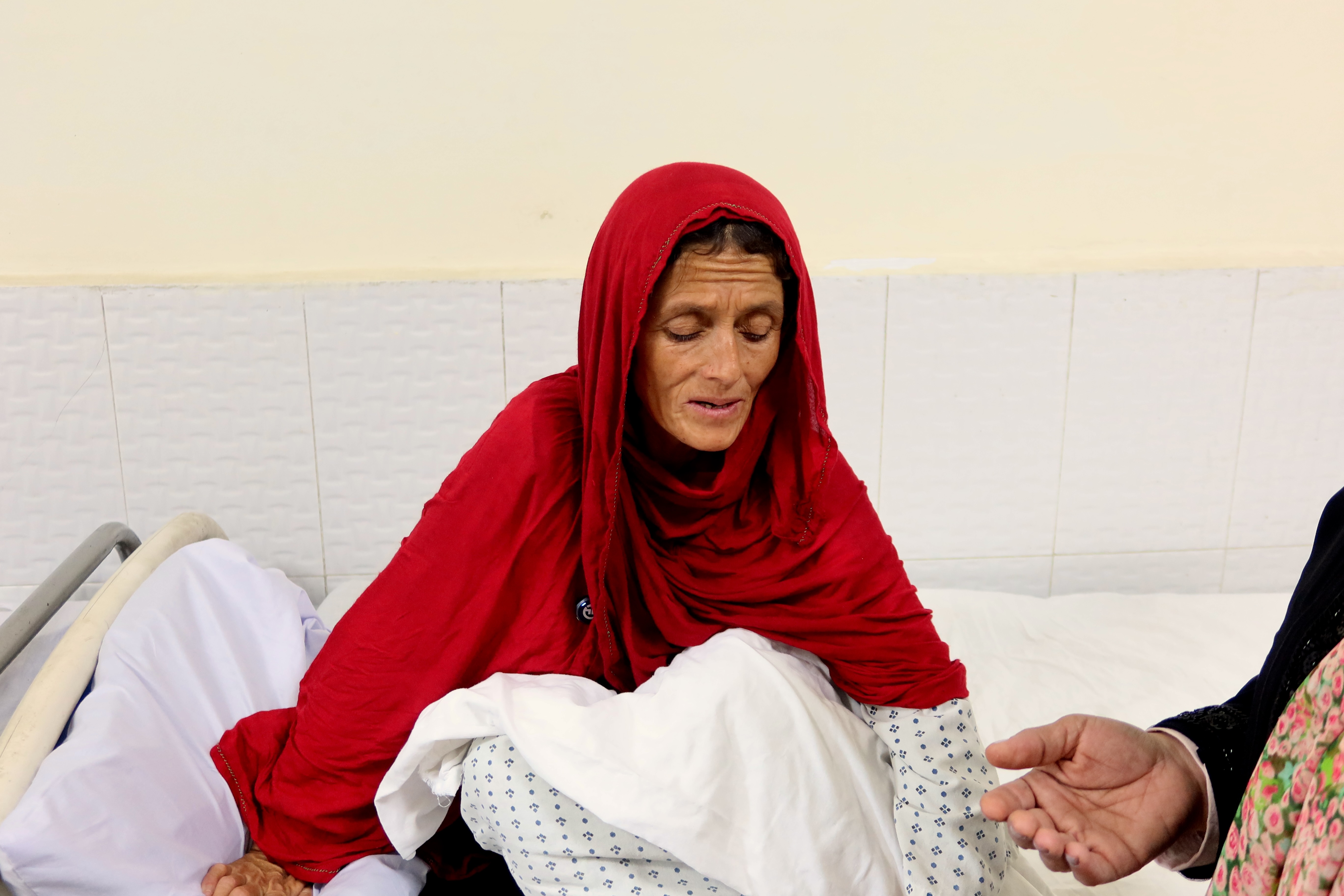
Fact: Obstetric fistula is not only a devastating physical injury, it can also have profound psychological, social and economic consequences. Women living with fistula often face stigma, rejection by families and communities, loss of livelihoods and deepening poverty. Many experience depression, anxiety and social isolation.
The physical injury itself can be severe, sometimes leading to infections, ulcerations, kidney disease, painful sores, infertility and death. Approximately 90 per cent of fistula cases also result in a stillborn baby, compounding the trauma for women and their families. Urinary and faecal incontinence can cause constant leakage and an unpleasant odour, further fuelling stigma and exclusion.
Myth 5: It is the mother’s fault
Fact: Women living with obstetric fistula are often wrongly blamed for their condition, with misconceptions in some communities across Asia and the Pacific linking fistula to moral wrongdoing, curses or spiritual forces, leading to stigma and exclusion. The medical reality is clear. Obstetric fistula is caused by prolonged, obstructed labour without access to timely, high quality medical treatment such as a caesarean section. It has nothing to do with morality, spirits or genetics.
Blaming women for obstetric fistula ignores the structural factors that cause it. Early marriage, limited education, poor nutrition and weak health systems all increase risk. Holding women responsible not only deepens stigma but also distracts from the urgent need for systemic change. Accountability lies with gaps in healthcare access and broader social inequalities, not with those who suffer from them.

Dispelling these myths is not just about correcting misinformation. It is about restoring dignity, encouraging seeking care and mobilizing action. While maternal mortality is declining, albeit slowly, maternal morbidities have not seen similar declines. For every maternal death, 20 to 30 more women suffer a severe maternal morbidity and disability, such as an obstetric fistula.
Obstetric fistula should not exist in the 21st century. Ending it requires stronger health systems, sustained investment in maternal care and a commitment to gender equality. Most importantly, it requires listening to and supporting the women and girls affected, ensuring no one is hidden, blamed or left behind because of this preventable, treatable condition.
—
The International Day to End Obstetric Fistula is marked on 23 May under the theme “Her health is a right: Invest in ending fistula and childbirth injuries.” The day is a reminder that realizing the right of all women and girls to sexual and reproductive health depends on sustained investment, the right resources and strong commitment.