

Different Contexts, Common Aspirations: From demanding safer spaces to challenging harmful norms, young people are turning their hopes for the future into action.
Nearly one billion people aged 10 to 24 live in Asia and the Pacific, around 60 per cent of the world’s adolescents and young people.
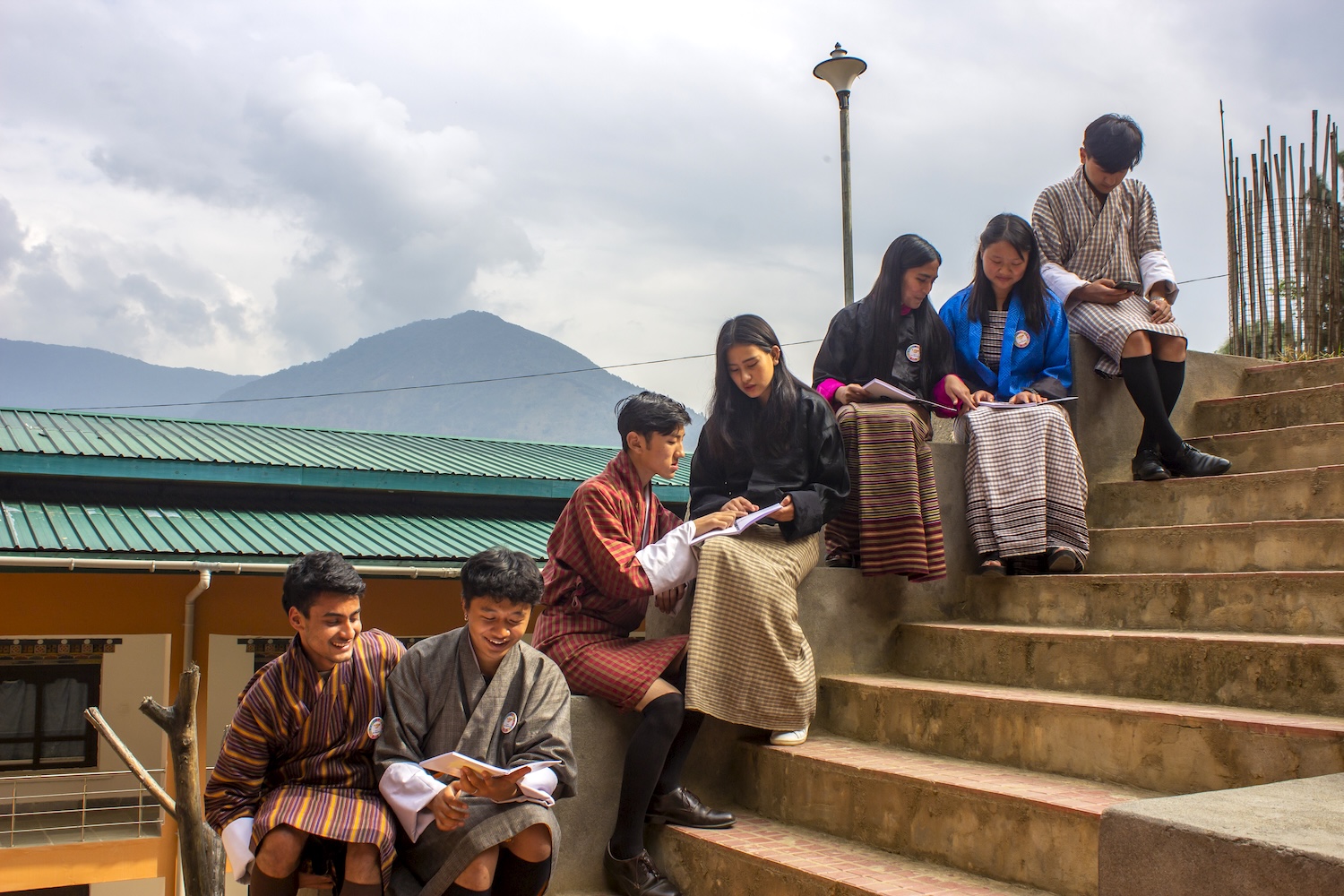
Their stories unfold in vastly different places: a classroom, a refugee settlement, a remote village. But their aspirations are shared. Young people want to understand their bodies, live free from violence, access care and support, stay in school, build livelihoods and have a say in the choices that shape their lives.
Across the region, young people are not waiting for a better future. They are building it by sharing trusted health information, challenging harmful norms, supporting peers in crisis and speaking up when decisions exclude them.
This International Youth Day, here are seven ways they are turning aspiration into action.
1. Safe spaces are where brighter futures begin
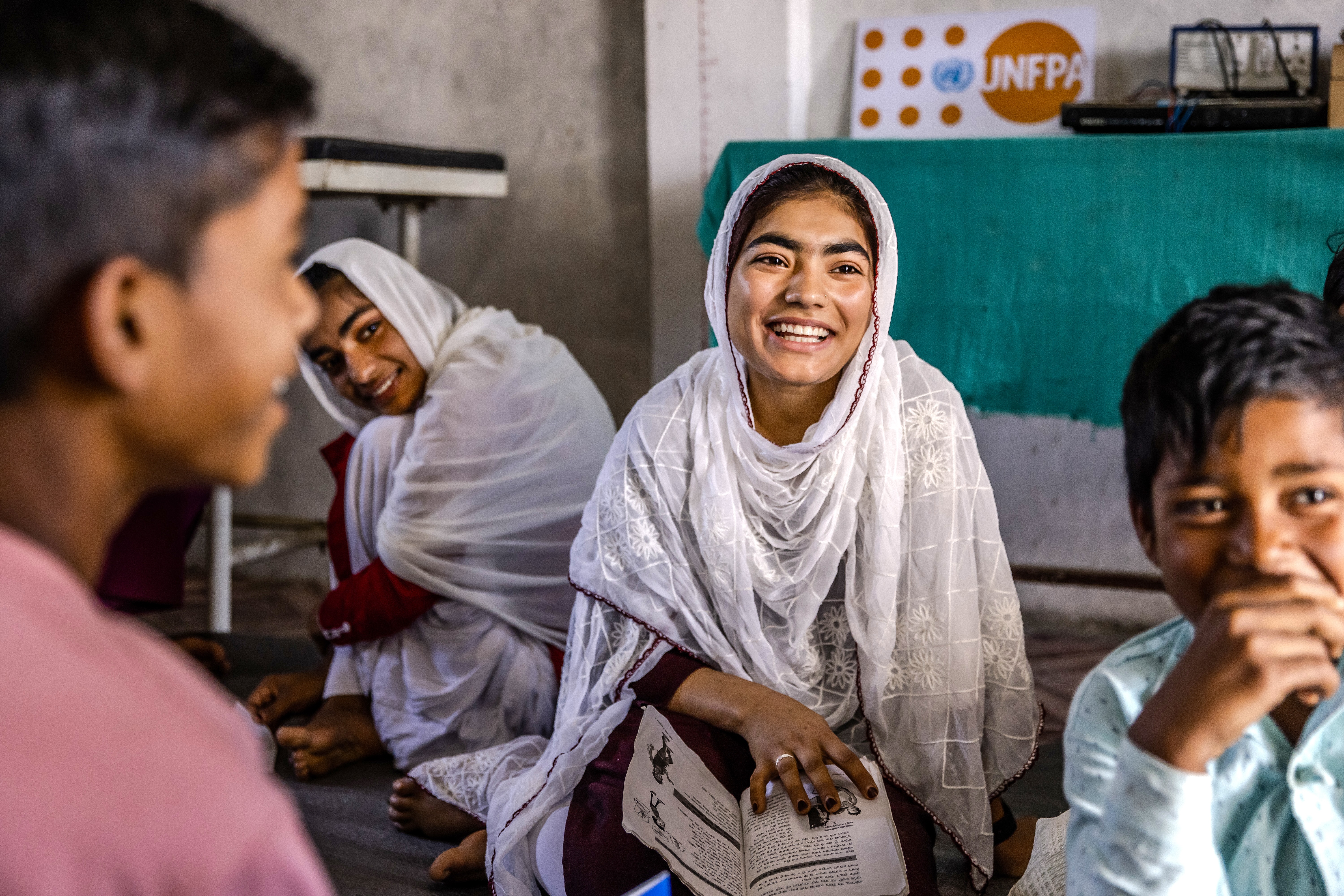
Speaking publicly, leading a group or challenging a harmful norm takes confidence. Often, that confidence starts somewhere quieter: a place where a young person can ask questions without being judged or threatened. Safe spaces do not always look the same — youth centres, classrooms, community sessions, clinics or peer groups. But what they share is powerful: they give young people room to be heard without fear, stigma or crisis closing in.
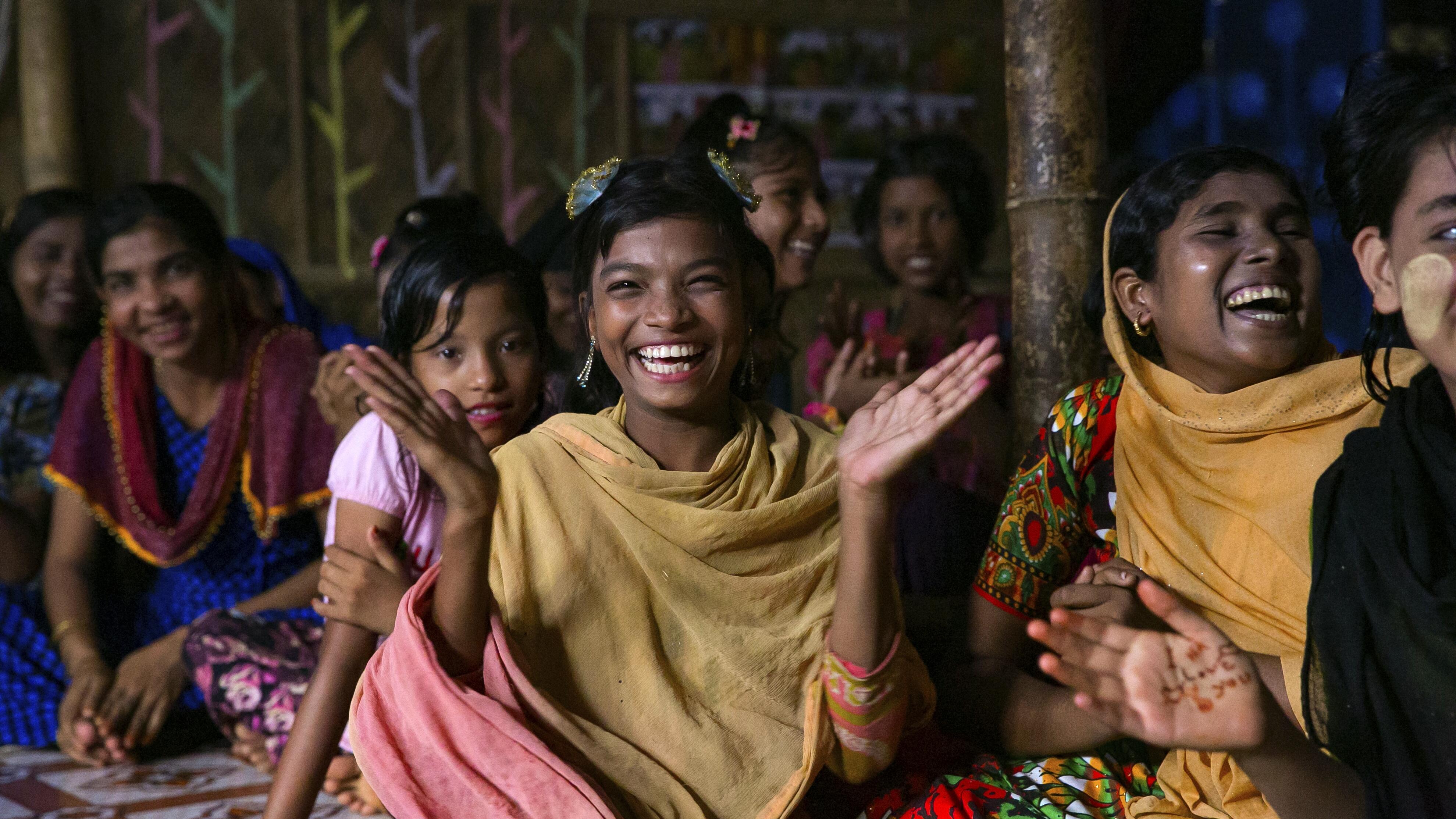
In Afghanistan, UNFPA-supported youth centres combine health education, menstrual health management, psychosocial support, life skills and vocational training for young people navigating uncertainty. In Bangladesh’s Rohingya camps, Women and Girls Safe Spaces help survivors understand their rights and access confidential care. And in Myanmar, where conflict has made services harder to reach trained youth volunteers are becoming lifelines, bringing trusted comprehensive sexuality education and psychosocial support to peers who might otherwise be left alone with their questions.
2. The right information can break old silences
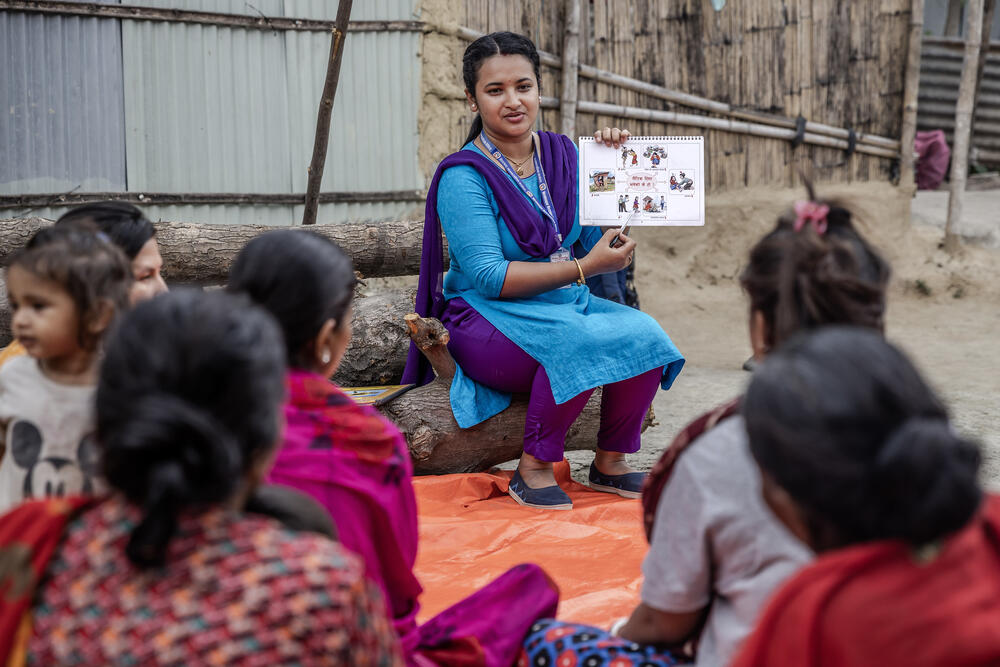
Adults often avoid some of the conversations young people need the most: puberty, menstruation, sexuality, consent, relationships, mental health and violence. But silence does not protect young people. Information does. When young people receive comprehensive, age-appropriate and locally-relevant information, they are better able to protect their health, recognize harm and make decisions with confidence.
The Healthy Relationship programme in Timor-Leste offers shows how this approach can grow. Its has What began as a UNFPA-supported initiative is now a national programme. Youth facilitators helping their peers discuss respect, consent, communication and equality. In Cambodia, peer educators are challenging early marriage and advancing girls’ leadership, helping adolescents make informed choices about their health, relationships and futures. Pohnpei’s Family Life Education is helping teachers create classrooms where students can talk about peer pressure, relationships and growing up, turning ordinary lessons into practical guidance for life.
3. Harmful practices shrink choices, but young people are widening them
A girl is told marriage is inevitable. A family is told education is impractical. A community repeats what it has always heard until new possibility begins to sound unrealistic. Changing this needs more than a message. It takes trusted people who can sit with families, understand their fears and show that another choice is possible.
Kabita Kumari Sah in Nepal knows that work intimately. After resisting pressure to marry young, she later trained as a community facilitator, speaking with girls, mothers and families about rights, education and harmful traditions. Bangladesh’s Shombhabonar Utshob, or “Festival of Potential,” takes a different approach: it turns a traditional fair into a space for imagination, using role models, counselling and interactive technology- to help adolescents and parents picture futures beyond early marriage. In Indonesia, community facilitators are bringing adolescents, parents and local leaders into intergenerational dialogues, opening space to rethink gender norms, masculinity and the roots of gender-based violence.
4. The fight for safety must extend online
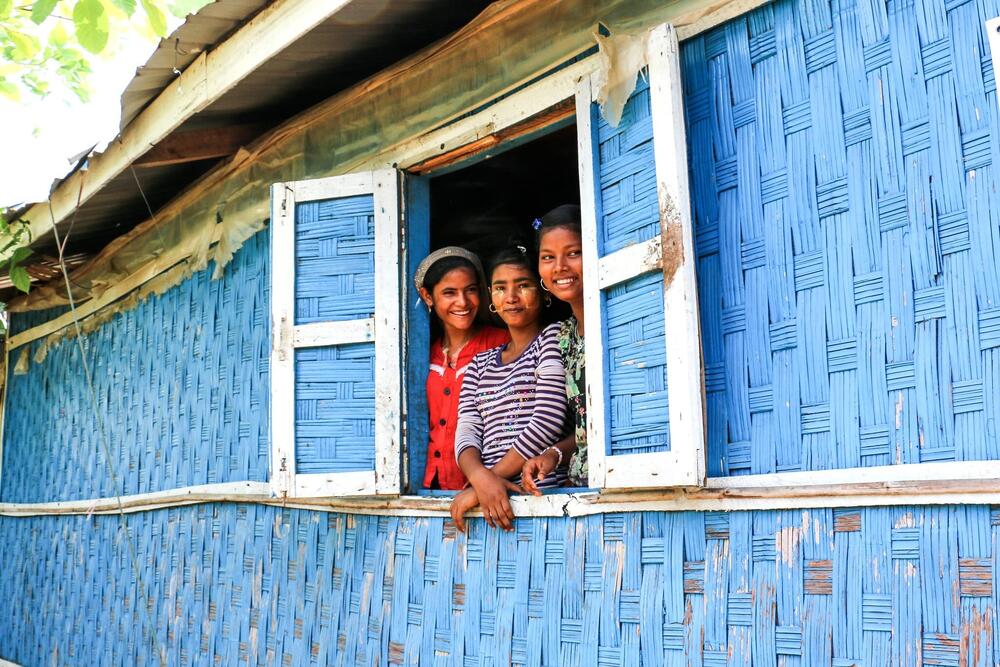
For many young people, life online is not separate from life offline. It is where they learn, organize, express themselves, build relationships and seek support. It is also where violence can follow them: harassment, coercion, image-based abuse, hacking, threats and humiliation. The right to control their bodies and choices does not end when they go online. Across the region, innovators are working to build safer technology for women and girls.
Indonesian youth advocate Mariana Yunita Hendriyani Opat, known as Tata, has turned her experience of online violence into advocacy. In Indonesia, new initiatives are also strengthening digital protection for women and girls. In Viet Nam, youth advocates are using toolkits, dialogues and peer-led campaigns to discuss online harassment, reporting mechanisms, body autonomy and mental health. The tools may be digital, but the underlying demand is deeply human: safety, dignity and justice.
5. Inclusion must work in practice
Inclusion cannot stop at visibility. It must change what happens when a young person walks into a clinic, enters a classroom, joins a peer group or asks for help. That means services that understand disability, gender identity, language, poverty, geography and stigma - not treating them as side issues, but as realities that shape access.
In the Philippines, Tine, a young trans woman from Navotas, found support through peer learning sessions on sexual and reproductive health and rights, returned to school and became a facilitator for other LGBTQIA+ youth. At Lumbini Provincial Hospital in Nepal, Anjali, a young health worker, helps patients with disabilities navigate care with sign language and practical support, making the health system feel less intimidating and more accessible. Young LGBTQI+ and transgender leaders in Pakistan and Viet Nam are also building peer networks, pathways into training and work and support grounded in local communities, showing that dignity should not depend on living near a capital city or fitting neatly into existing systems.
6. Climate action must protect young people’s health
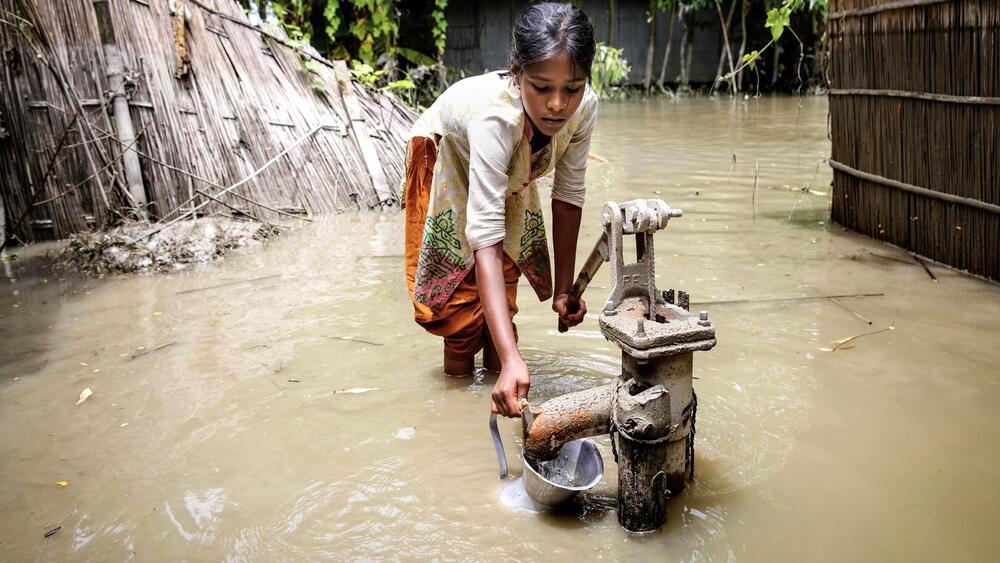
The climate crisis is often described through what is visible: flooded roads, damaged homes, lost crops, destroyed clinics. Disasters cut off access to contraception, safe childbirth, menstrual supplies, protection services and safe spaces. They can also increase the risks faced by women and girls, especially when privacy, mobility and services are lost.
Young women in Fiji have insisted that climate action include sexual and reproductive health and rights, menstrual dignity, safe childbirth and protection from gender-based violence. On Sri Lanka’s eastern coast, youth in Trincomalee and Batticaloa are leading climate action through tree planting, beach cleanups, recycling and community activities that connect environmental resilience with health, gender equality and social cohesion. Bangladesh’s flood-response volunteers offer another reminder: in emergencies, young people are not only affected. They are often among the first to respond.
7. Young people are not just participating. They are leading.
Across these stories, young people are turning information into peer support, services into trust, advocacy into policy, and personal experience into public leadership.
From youth facilitators in Timor-Leste and community volunteers in Myanmar to survivor-advocates in Indonesia, climate leaders in Sri Lanka and Fiji, and peer mentors in the Philippines, they are showing what change can look like when the people most affected hep shape it. Their contexts differ, but their aspirations are shared.
Young people across Asia and the Pacific are not waiting to inherit the future. They are already building it: one safe conversation, one informed choice, one act of courage and one community at a time.