

Across Asia and the Pacific, gender-based violence takes many forms. It happens behind closed doors, through harmful practices, across digital spaces and in communities affected by conflict and disasters. For millions of women and girls, its consequences extend far beyond immediate harm, undermining their safety, independence and ability to shape their own futures.
Today, progress in recognizing violence and strengthening protections offers reasons for hope. Yet violence remains widespread, new forms of abuse are creating new risks and millions of survivors still struggle to access the help and justice they need. Understanding the problem is only the first step. What matters is taking action to end it.
This year's 16 Days of Activism Against Gender-Based Violence calls on societies to Name it. Believe it. End it. Here are five realities facing women and girls across the region, and the actions needed to change them.
1. One in four women have experienced intimate partner violence
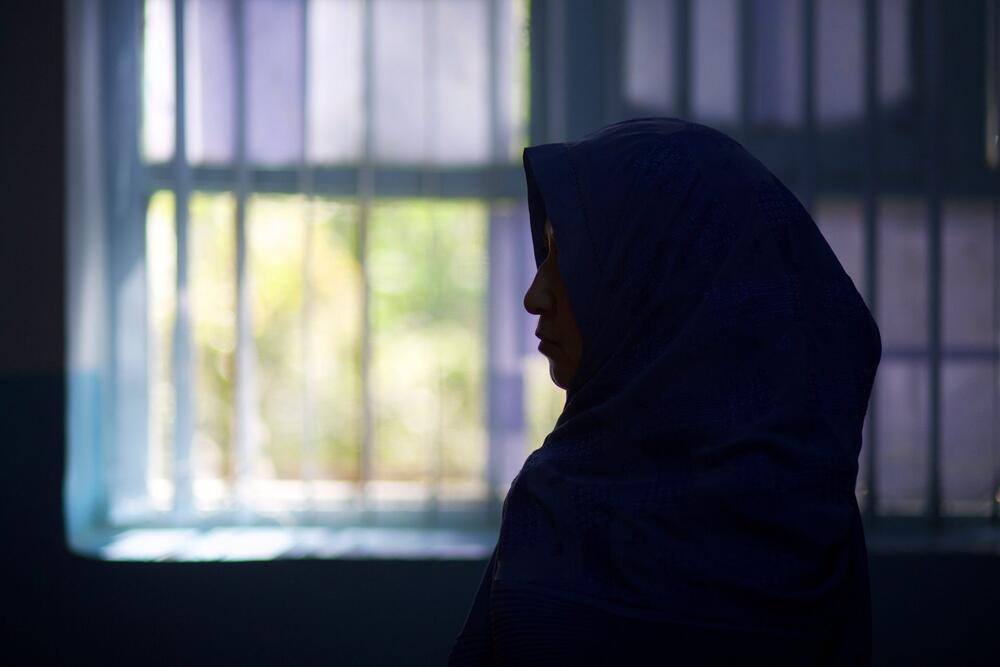
Gender-based violence remains one of the most pervasive violations of women's rights across Asia and the Pacific. Approximately one in four women have experienced physical and/or sexual violence by an intimate partner, although prevalence varies considerably between countries.
The harm extends far beyond the physical. Violence can undermine women's health, economic independence, participation in public life and ability to make decisions about their own futures. Fear of retaliation, stigma and gaps in legal protection can also prevent survivors from seeking help, leaving many without the protection or justice they deserve.
Ending intimate partner violence requires stronger legal protections, accessible survivor-centred services and sustained efforts to challenge harmful norms and unequal power relations. This includes engaging men and boys in challenging attitudes and behaviours that perpetuate abuse, alongside strengthening institutions, economic opportunities and accountability to prevent violence before it happens.
2. More than 80 million women and girls in Asia have undergone female genital mutilation
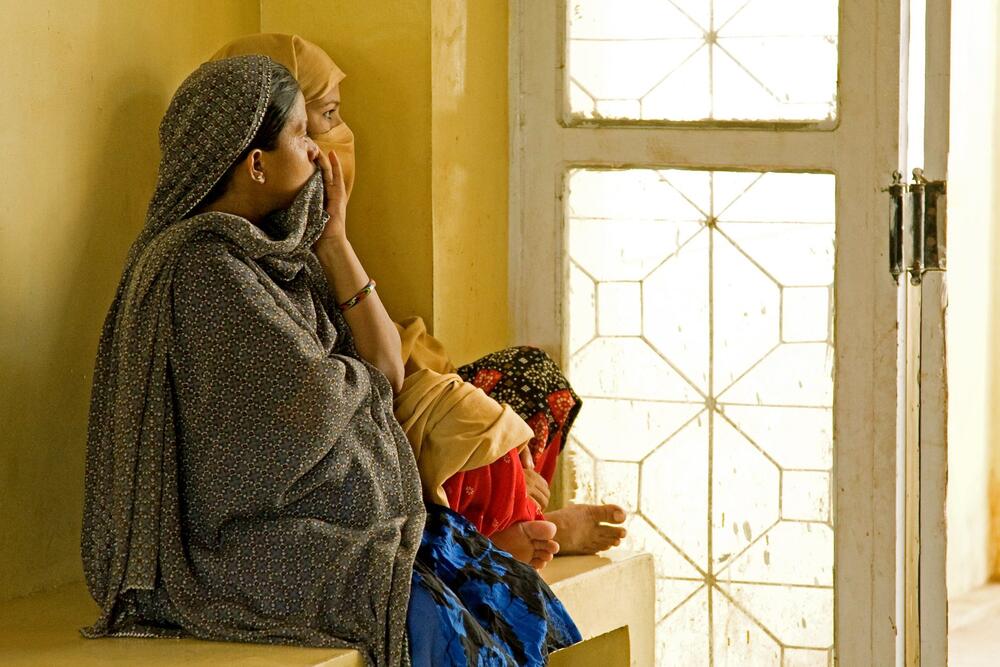
Female genital mutilation (FGM) is often overlooked in discussions of gender-based violence in Asia. Yet more than 80 million women and girls in the region are estimated to have undergone the practice, accounting for approximately one-third of the global total.
FGM has no health benefits and can cause serious physical and psychological harm. Despite this, deeply entrenched social norms, misconceptions about the practice and limited data have contributed to its persistence. Its continued prevalence underscores the need to confront harmful practices that remain hidden, normalized or insufficiently addressed, including the growing medicalization of FGM, which can falsely suggest that the practice is safe when performed by health professionals.
Ending FGM requires more than legal prohibitions. Communities, health professionals, religious leaders and young people must be engaged in challenging the beliefs that sustain it. This means strengthening health-sector accountability, investing in community-led prevention and advancing coordinated action across institutions and communities. Better regional evidence is equally important to making the practice visible and informing effective responses.
3. South Asia is home to 290 million women and girls who were married before turning 18
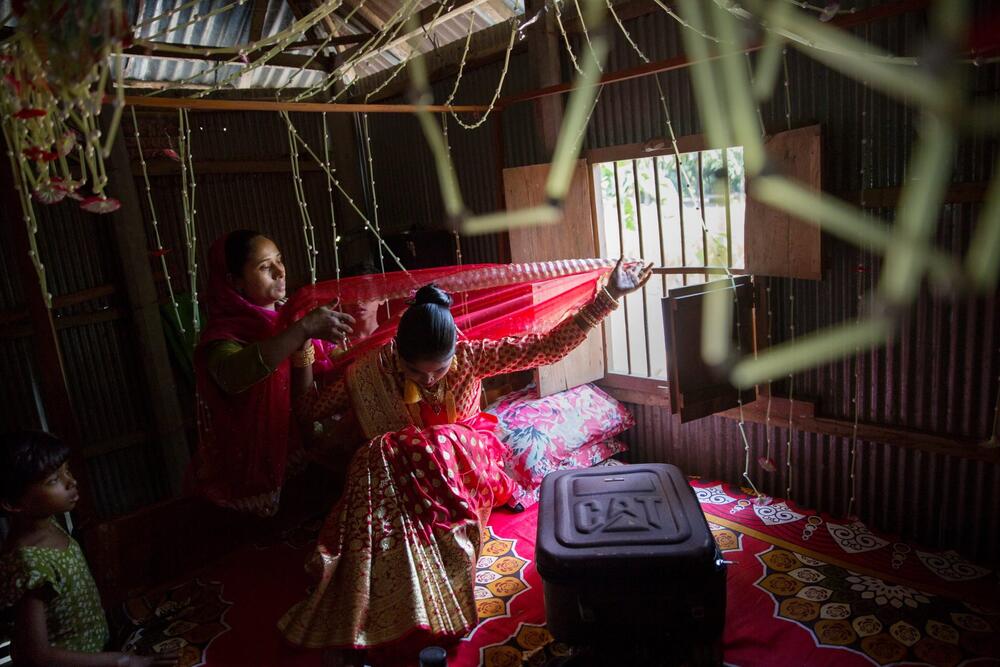
Child marriage remains a major barrier to gender equality, with South Asia accounting for the largest regional share of the world's child brides. An estimated 290 million women and girls in the subregion were married before their eighteenth birthday, reflecting the enduring scale of a practice that can deprive girls of their childhood, education and opportunities.
Driven by poverty, discriminatory norms and limited opportunities, child marriage can increase girls' exposure to intimate partner violence while isolating them from education, support networks and essential services. The risks do not disappear after marriage. Across Asia and the Pacific, an estimated 23 million adolescents aged 15–19 are married, many facing heightened risks of violence while falling through gaps in protection systems designed for children and adults.
Ending child marriage requires keeping girls in school, expanding their opportunities, strengthening legal protections and investing in locally led prevention. Equally important is recognizing the unmet needs of girls who are already married. Their rights to safety, education and essential support must never depend on their marital status. As the world marks the first International Day for the Elimination of Child, Early and Forced Marriage in November 2026, young advocates across South Asia are demanding faster progress, stronger accountability and meaningful participation in decisions affecting their futures.
4. Digital violence has real-world consequences

Technology has expanded opportunities for women and girls across Asia and the Pacific. But it has also created new avenues for gender-based violence, from digital surveillance and online harassment to coercion and the non-consensual sharing of intimate images.
The consequences extend far beyond the screen. Technology-facilitated gender-based violence can undermine women's mental health, livelihoods and participation in public life, while reinforcing patterns of intimidation and control that exist offline. Survivors may face threats, isolation and physical violence, often compounded by inadequate legal protections and limited access to specialized support. As technologies evolve, abuse can spread rapidly across platforms and borders, making prevention and accountability increasingly complex.
Ending this violence requires laws and policies that keep pace with technological change, stronger accountability for perpetrators and survivor-centred services equipped to respond to emerging forms of abuse. It also means making technology itself part of the solution. Across Asia, emerging innovations are demonstrating the potential of accessible digital safety tools, survivor-led support and greater platform accountability. Scaling these approaches, alongside stronger institutional responses and safeguards built into digital platforms, is essential to ensuring women and girls can participate online without fear.
5. In humanitarian crises, violence and barriers to protection can intensify
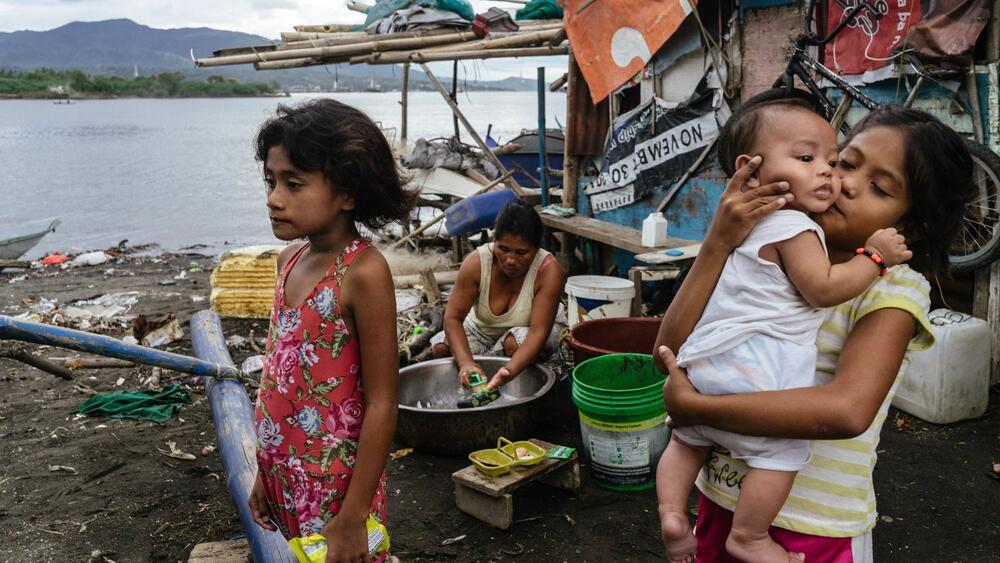
Conflict, displacement and disasters can deepen existing gender inequalities and increase the risks of gender-based violence. Across Asia and the Pacific, disrupted services, insecurity and weakened community networks can leave women and girls more exposed to exploitation and abuse while making it harder to seek protection.
For survivors, these barriers can be particularly severe when trusted support networks and essential services have been disrupted. Even spaces intended to provide refuge can expose women and girls to additional protection risks, from inadequate privacy and unsafe sanitation facilities to limited access to confidential assistance. Identifying and addressing these risks must be part of humanitarian preparedness and response, rather than an afterthought.
Protecting women and girls in crises requires integrating gender-based violence prevention and response into humanitarian action from the outset. Safe spaces, trained frontline workers and accessible essential services provide critical support, while community feedback helps ensure that assistance responds to women's and girls' actual needs and priorities. Sustained investment in these services and the local organizations delivering them is essential to safeguarding dignity, safety and rights, even as emergencies intensify and resources come under pressure.
From naming it to ending it
Naming violence is the first step. Believing survivors is essential. But ending violence demands strategic, unwavering action.
These five realities reveal different dimensions of the same challenge: gender-based violence persists where discrimination, harmful social norms and gaps in protection continue to undermine women's and girls' rights. Yet they also point towards solutions, from stronger laws and community-led prevention to safer digital environments and survivor-centred services.
At a time when women's rights face growing resistance and hard-won gains are increasingly under pressure, sustained action is more important than ever. Across Asia and the Pacific, UNFPA works with governments, civil society and communities to advance these priorities. The need is not for commitments alone, but for sustained investment, effective implementation and accountability for results.
This 16 Days of Activism, the message is clear: recognizing gender-based violence must lead to meaningful, lasting change.