Go Back Go Back
Go Back Go Back
Go Back Go Back
Go Back Go Back
Go Back Go Back
Go Back Go Back
Go Back Go Back
Go Back Go Back
Go Back Go Back

Myanmar Crisis Regional Response
Share

Myanmar Crisis Regional Response

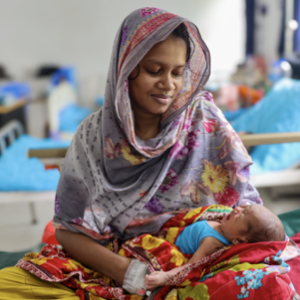
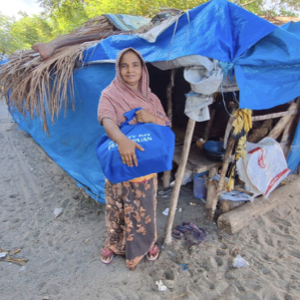
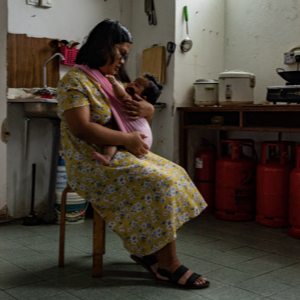
The conflict in Myanmar has significantly worsened since the 2021 military coup, leading to the widespread displacement of people. Women and girls are disproportionately affected, facing increased risks of gender-based violence, exploitation, and limited access to essential healthcare, including sexual and reproductive health services.
 
The conflict in Myanmar has significantly worsened since the 2021 military coup, leading to the widespread displacement of people. Women and girls are disproportionately affected, facing increased risks of gender-based violence, exploitation, and limited access to essential healthcare, including sexual and reproductive health services. The conflict in Myanmar has significantly worsened since the 2021 military coup, leading to the widespread displacement of people. Women and girls are disproportionately affected, facing increased risks of gender-based violence, exploitation, and limited access to essential healthcare, including sexual and reproductive health services. The conflict in Myanmar has significantly worsened since the 2021 military coup, leading to the widespread displacement of people. Women and girls are disproportionately affected, facing increased risks of gender-based violence, exploitation, and limited access to essential healthcare, including sexual and reproductive health services.


28.43 million

Myanmar people are displaced or living in hard to reach areas across Asia

7.5 million

are women and girls of reproductive age


The conflict in Myanmar has significantly worsened since the 2021 military coup, leading to the widespread displacement of people. Women and girls are disproportionately affected, facing increased risks of gender-based violence, exploitation, and limited access to essential healthcare, including sexual and reproductive health services. The conflict in Myanmar has significantly worsened since the 2021 military coup, leading to the widespread displacement of people. Women and girls are disproportionately affected, facing increased risks of gender-based violence, exploitation, and limited access to essential healthcare, including sexual and reproductive health services. The conflict in Myanmar has significantly worsened since the 2021 military coup, leading to the widespread displacement of people. Women and girls are disproportionately affected, facing increased risks of gender-based violence, exploitation, and limited access to essential healthcare, including sexual and reproductive health services.

UNFPA's Regional Response to address the Myanmar Crisis 

As the United Nations sexual and reproductive health agency, UNFPA calls on the global community to support its work on addressing the Myanmar crisis for 2025-2026.

This is a comprehensive plan developed by the UNFPA Asia-Pacific Regional Office to address the urgent needs of displaced women and girls from Myanmar, wherever they are, including refugees and displaced populations with diverse legal statuses in Bangladesh, India, Indonesia, Malaysia and Thailand.
The conflict in Myanmar has significantly worsened since the 2021 military coup, leading to the widespread displacement of people. Women and girls are disproportionately affected, facing increased risks of gender-based violence, exploitation, and limited access to essential healthcare, including sexual and reproductive health services. The conflict in Myanmar has significantly worsened since the 2021 military coup, leading to the widespread displacement of people. Women and girls are disproportionately affected, facing increased risks of gender-based violence, exploitation, and limited access to essential healthcare, including sexual and reproductive health services. The conflict in Myanmar has significantly worsened since the 2021 military coup, leading to the widespread displacement of people. Women and girls are disproportionately affected, facing increased risks of gender-based violence, exploitation, and limited access to essential healthcare, including sexual and reproductive health services.


Expected outcomes at country-level:

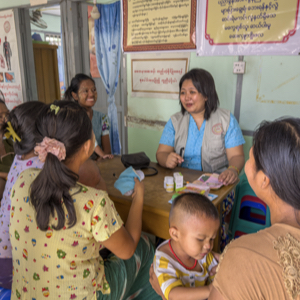
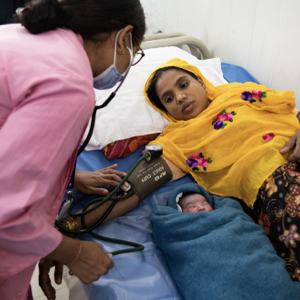
  • Sexual and reproductive health services: Capacity of healthcare providers strengthened, access to contraceptives and maternal health services improved, and referral pathways established.
  • Gender-based violence prevention and response: Case management, integrated mental health and psychosocial support services and legal assistance provided to survivors, and capacity of frontline service providers strengthened.
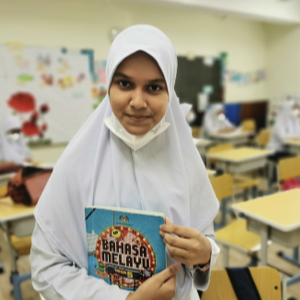
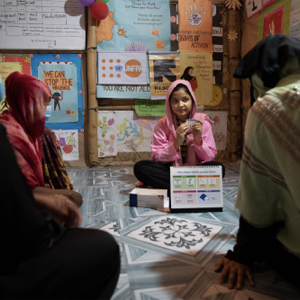
  • Youth empowerment: Comprehensive sexuality education and life-skills training provided to young people to foster youth leadership and build resilience.
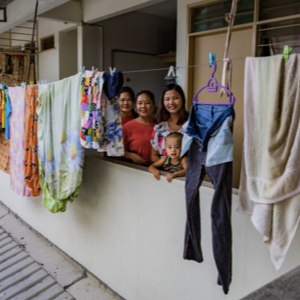
The conflict in Myanmar has significantly worsened since the 2021 military coup, leading to the widespread displacement of people. Women and girls are disproportionately affected, facing increased risks of gender-based violence, exploitation, and limited access to essential healthcare, including sexual and reproductive health services. The conflict in Myanmar has significantly worsened since the 2021 military coup, leading to the widespread displacement of people. Women and girls are disproportionately affected, facing increased risks of gender-based violence, exploitation, and limited access to essential healthcare, including sexual and reproductive health services. The conflict in Myanmar has significantly worsened since the 2021 military coup, leading to the widespread displacement of people. Women and girls are disproportionately affected, facing increased risks of gender-based violence, exploitation, and limited access to essential healthcare, including sexual and reproductive health services.
With universal access to sexual and reproductive health coverage for the affected population, we can:
 

Prevent 1400 pregnancy and childbirth
related deaths

Avert 7,400 stillbirths

Save the lives of 16,500 newborns
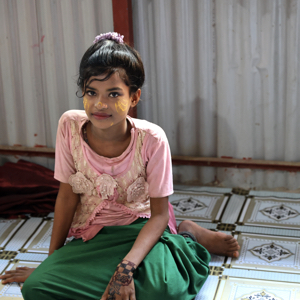
The conflict in Myanmar has significantly worsened since the 2021 military coup, leading to the widespread displacement of people. Women and girls are disproportionately affected, facing increased risks of gender-based violence, exploitation, and limited access to essential healthcare, including sexual and reproductive health services. The conflict in Myanmar has significantly worsened since the 2021 military coup, leading to the widespread displacement of people. Women and girls are disproportionately affected, facing increased risks of gender-based violence, exploitation, and limited access to essential healthcare, including sexual and reproductive health services. The conflict in Myanmar has significantly worsened since the 2021 military coup, leading to the widespread displacement of people. Women and girls are disproportionately affected, facing increased risks of gender-based violence, exploitation, and limited access to essential healthcare, including sexual and reproductive health services.

Common issues

The conflict in Myanmar has significantly worsened since the 2021 military coup, leading to the widespread displacement of people. Women and girls are disproportionately affected, facing increased risks of gender-based violence, exploitation, and limited access to essential healthcare, including sexual and reproductive health services.

They are often criminalized as undocumented migrants, leading to arrest and detention. Lack of legal protection leaves them vulnerable to GBV and without access to justice.


The conflict in Myanmar has significantly worsened since the 2021 military coup, leading to the widespread displacement of people. Women and girls are disproportionately affected, facing increased risks of gender-based violence, exploitation, and limited access to essential healthcare, including sexual and reproductive health services.

Affected populations struggle to access healthcare, especially sexual and reproductive health services, GBV and mental health support.
The conflict in Myanmar has significantly worsened since the 2021 military coup, leading to the widespread displacement of people. Women and girls are disproportionately affected, facing increased risks of gender-based violence, exploitation, and limited access to essential healthcare, including sexual and reproductive health services.

Overcrowded camps in Bangladesh strain basic services and increase the risk of violence and disasters.


The conflict in Myanmar has significantly worsened since the 2021 military coup, leading to the widespread displacement of people. Women and girls are disproportionately affected, facing increased risks of gender-based violence, exploitation, and limited access to essential healthcare, including sexual and reproductive health services.

Refugees face discrimination and lack of support from host communities. Economic hardship is prevalent due to limited livelihood opportunities and dependence on aid.
The conflict in Myanmar has significantly worsened since the 2021 military coup, leading to the widespread displacement of people. Women and girls are disproportionately affected, facing increased risks of gender-based violence, exploitation, and limited access to essential healthcare, including sexual and reproductive health services.

Refugee women are particularly vulnerable to GBV, including intimate partner violence and sexual harassment, exacerbated by their lack of legal status and economic dependence.


The conflict in Myanmar has significantly worsened since the 2021 military coup, leading to the widespread displacement of people. Women and girls are disproportionately affected, facing increased risks of gender-based violence, exploitation, and limited access to essential healthcare, including sexual and reproductive health services.

  • Collect relevant data and conduct needs assessments 
  • Sexual and Reproductive Health service provision
  • Protection (Gender-based Violence, Mental Health and Psychosocial Support)
  • Life skills education for Youth including prevention of child marriage and harmful practices.
  • Emergency preparedness and contingency planning (Bangladesh)
  • Advocacy and communication to relevant authorities

The regional strategy represents a critical step towards addressing the complex and multifaceted needs of Myanmar refugees and affected populations. By focusing on the health, safety, and dignity of women and girls, and their access to lifesaving services, this coordinated regional approach aims to improve the health, well-being, and protection of those affected by the crisis. Sustained commitment and collaboration of all partners, as well as adequate funding, is essential for successful implementation of the strategy.

Together, we can make a difference in the lives of Myanmar women and girls, wherever they are.
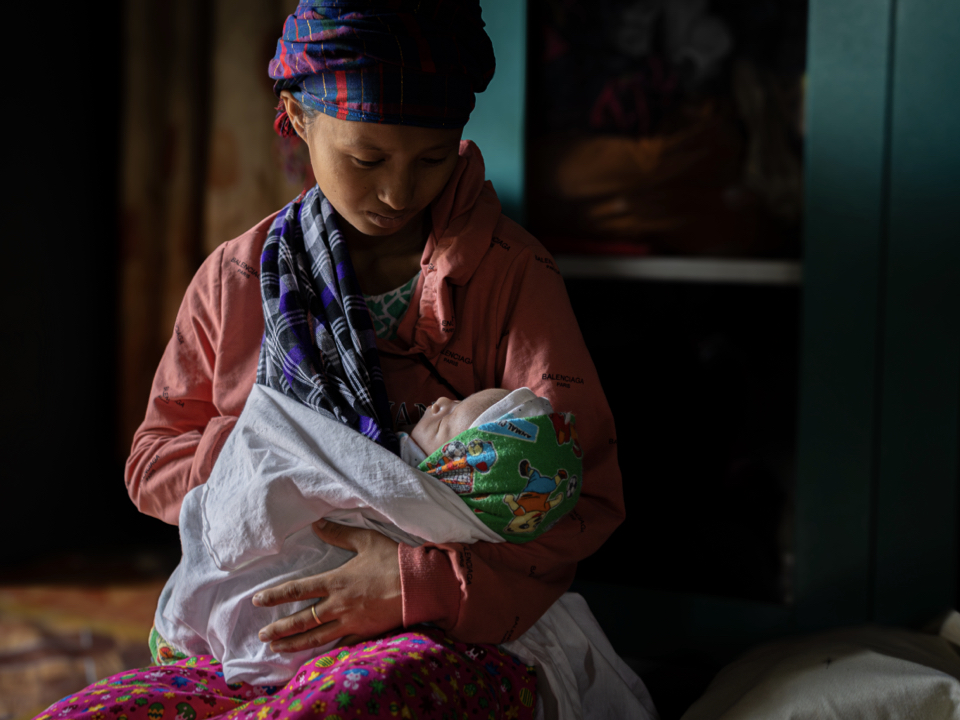
 
The conflict in Myanmar has significantly worsened since the 2021 military coup, leading to the widespread displacement of people. Women and girls are disproportionately affected, facing increased risks of gender-based violence, exploitation, and limited access to essential healthcare, including sexual and reproductive health services.
 

For more information, contact:

Samadhi Selena Marr
Myanmar Crisis Regional Response Coordinator
Asia and Pacific Regional Office

marr@unfpa.org