

Local frontline humanitarians are leading emergency response to these crises by leveraging their skills to deliver localized solutions for women, girls, and their communities. UNFPA stands in solidarity with these too-often-invisible heroes who save lives and prevent further escalation by providing healthcare, gender-based violence support, financial assistance, and transformative kindness in dire situations.
This collection showcases a few of the humanitarians that UNFPA supports. We celebrate their courage and that of all humanitarians in the Asia-Pacific region.
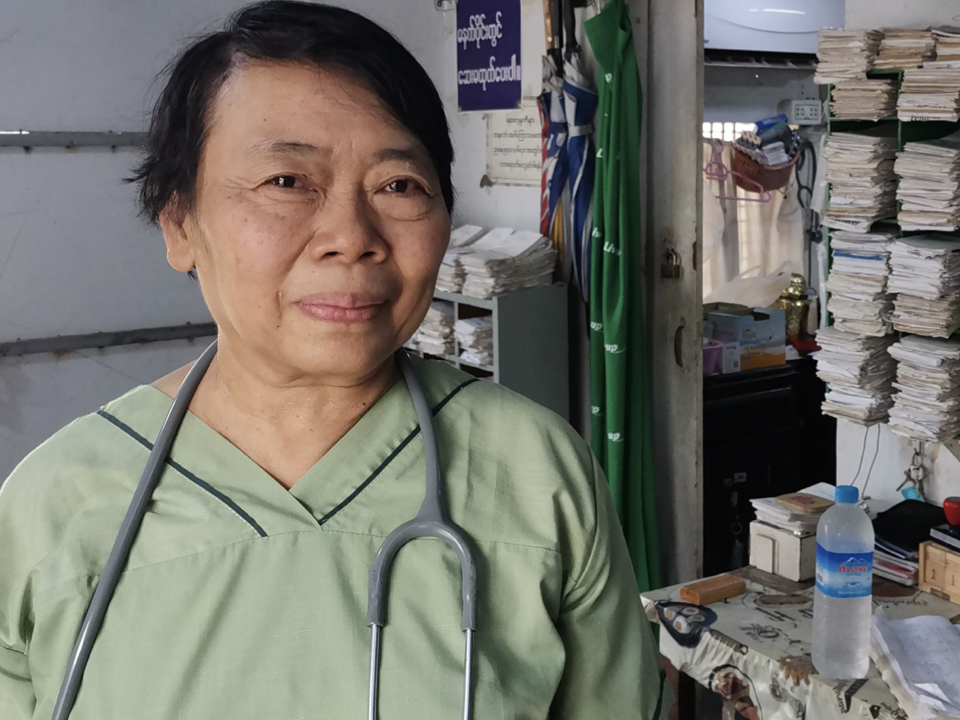
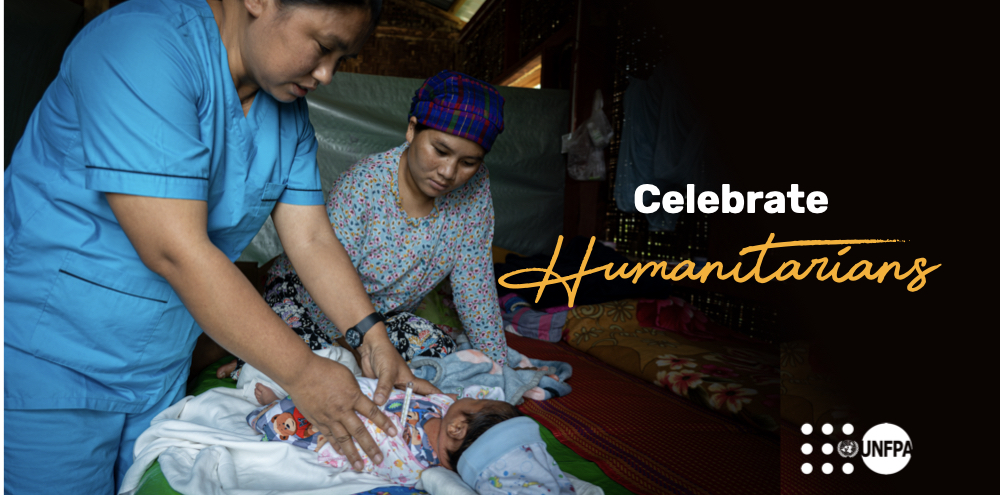
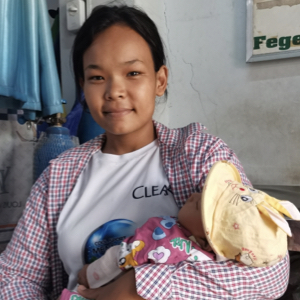
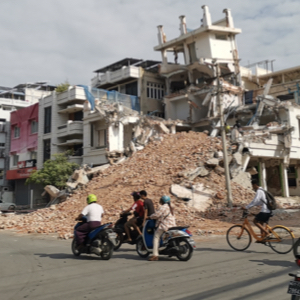
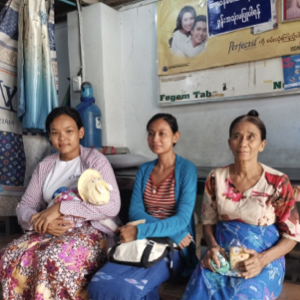
Myanmar: On 28 March 2025, a devastating earthquake struck Myanmar, causing widespread disruption to essential services. In the chaotic aftermath, pregnant women, already vulnerable, faced exacerbated challenges, including lack of shelter, food insecurity, and severely limited access to maternal healthcare. The tremors not only damaged infrastructure but also severed vital communication lines, making it nearly impossible for healthcare providers to locate patients and for those in need to find functioning clinics.
“When the earthquake hit, the needs increased as there was significant disruption to both information and service delivery,” Doctor Pyone Pyone Than says. “We, healthcare staff, could not locate patients, and patients could neither find nor access health clinics, while there were not enough health service providers available to support them.” She found herself at the forefront of this crisis, adapting to the immense challenges to ensure the continuity of care for expectant mothers.
Pregnant women were particularly hard-hit by the earthquake. The disruption to healthcare services, coupled with difficulties in securing proper shelter and food, intensified their already precarious situation. UNFPA responded within 36 hours, providing emergency care and services, including support for women at heightened risk of exposure to gender-based violence. Through UNFPA's support, health assistance reached 26,000 women, with 25,000 receiving additional support, and two thousand dignity kits distributed. ©UNFPA Myanmar/Gaia Paradiso WATCH THE VIDEO
 |
 |
 |
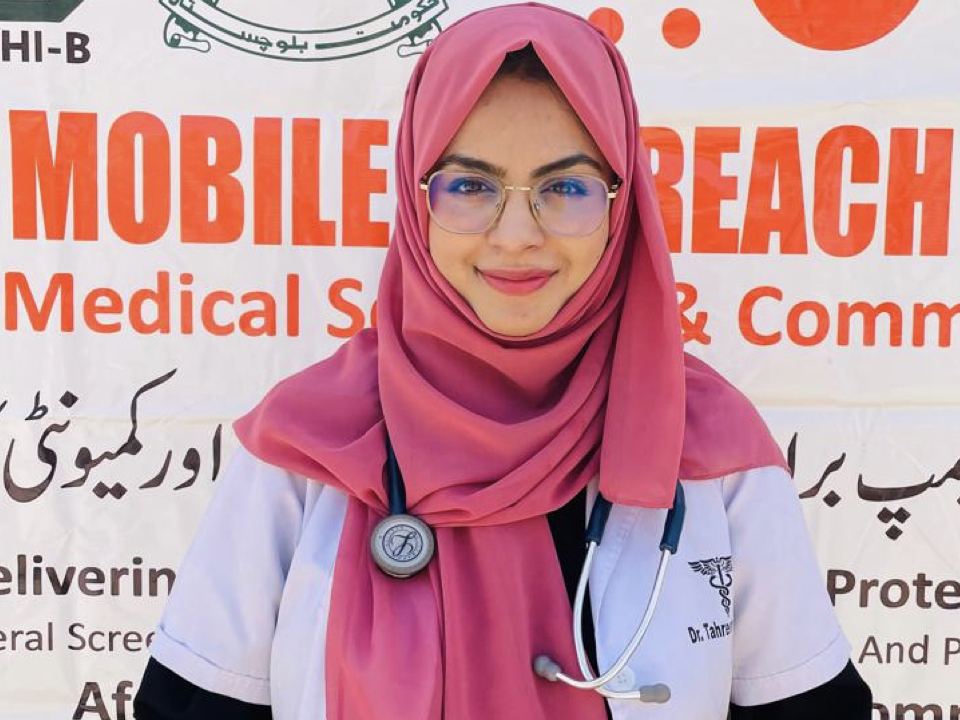
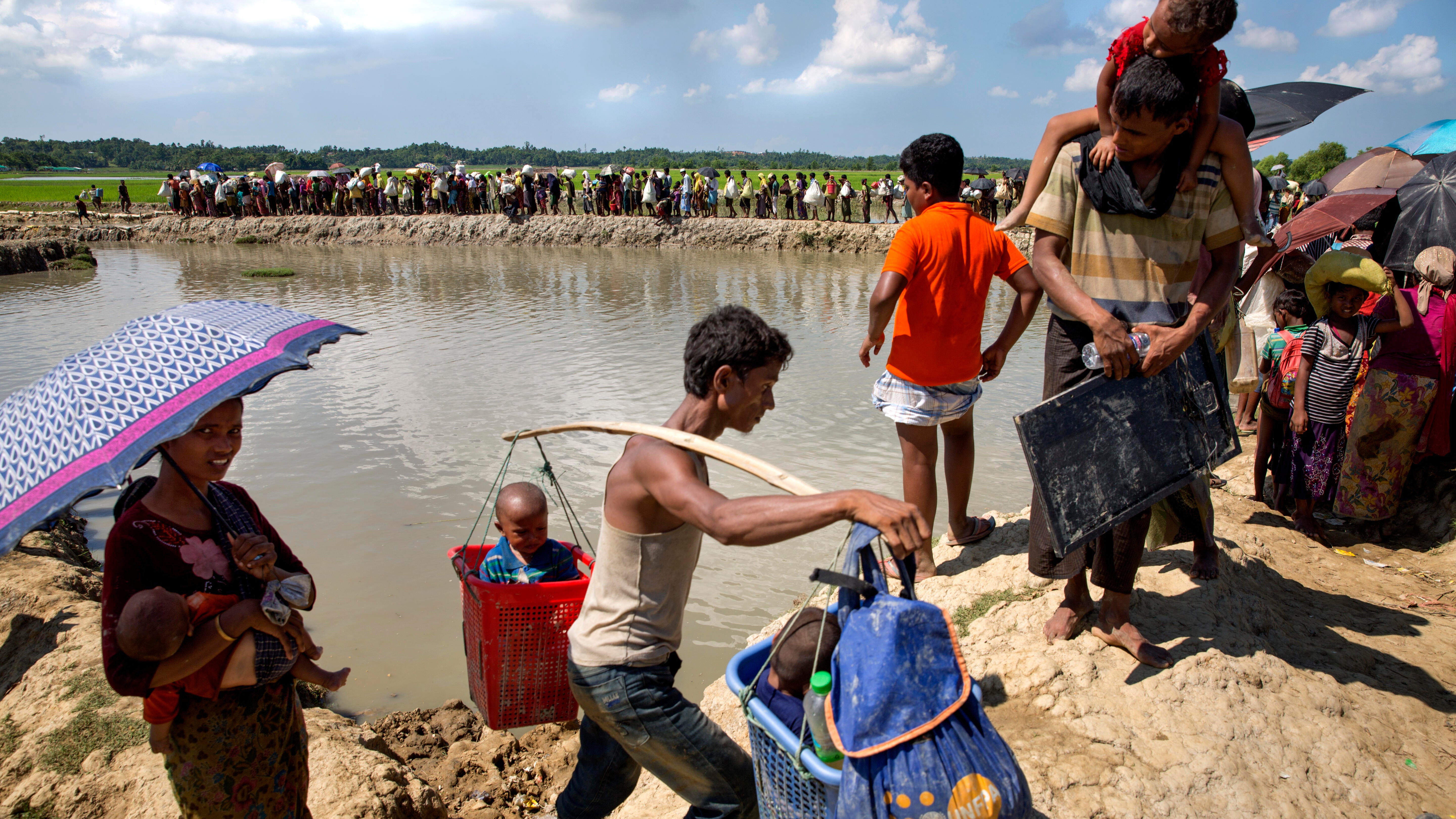
Pakistan: In the region of Balochistan, Dr. Tehreem Sajjad serves as a Lady Medical Officer, extending vital healthcare to communities in Killa Saif Ullah, Panjpai, Quetta, Surkhab, and Saranan. These areas are home to both local residents and a significant population of Afghan refugees, all of whom rely on frontline humanitarians like Dr. Tehreem for essential services that are often out of reach.
Her work is comprehensive, addressing a wide spectrum of health needs within these communities. Dr. Tehreem’s daily routine begins at Afghan refugee camps, where "mornings start with a line of women, many of them pregnant or recently delivered, waiting for care, guidance, and reassurance. Many of the women come with little or no history of antenatal visits and have limited awareness about birth spacing or warning signs during pregnancy.”
Dr. Tehreem is also actively involved in medical outreach activities and mobile health camps and diligently monitors stock levels to ensure a timely supply of essential medical provisions.
Dr. Tehreem recalls a young Afghan mother who arrived at the camp in her third trimester, having never received an antenatal check-up and having lost her previous baby during a home delivery. Dr. Tehreem was able to assess her, provide supplements and counseling, and facilitate a referral to a safe facility delivery. Weeks later, the mother returned with her healthy newborn. “She had tears in her eyes, saying she never thought she would live to hold a baby again,” Tehreem says, which serves as a reminder that her work is not a job, but a deep purpose that continues to inspire her every day.
UNFPA Pakistan supports mobile health services for Afghan refugees and host communities in Balochistan, striving to bridge the gap in healthcare access for women and girls. Dr. Tehreem emphasizes the transformative impact of these mobile outreach camps: “Mobile Outreach Camp takes us beyond the clinic and into the community, where we offer not just treatment but also knowledge, reassurance and connection. Through health education, women learn about their bodies, rights, and choices. Trust is key, and it grows when we listen without judgment, respect cultural values, and show up consistently. When people know you truly care, they begin to trust the care you give — and that’s when real change happens.” ©UNFPA Pakistan
"Six months since the devastating global funding cuts to UNFPA, we are seeing the far-reaching impact on the lives of those we serve: maternal health clinics have closed, mobile health teams have been suspended, and delivery of essential reproductive health supplies is delayed, leaving millions without critical services that for some, mean the difference between life and death."
Pio Smith, Regional Director, UNFPA Asia-Pacific
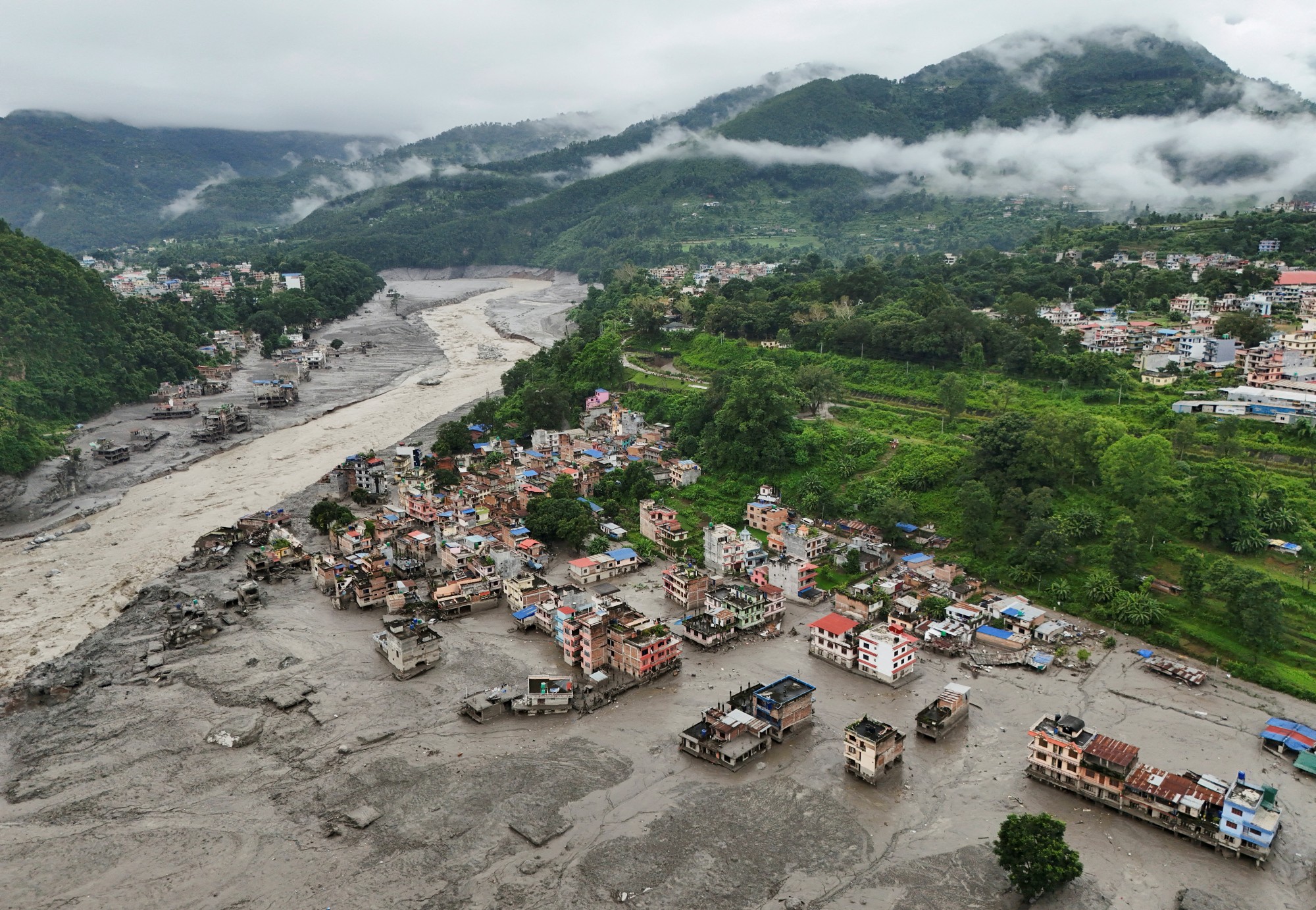
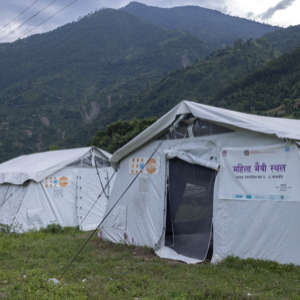
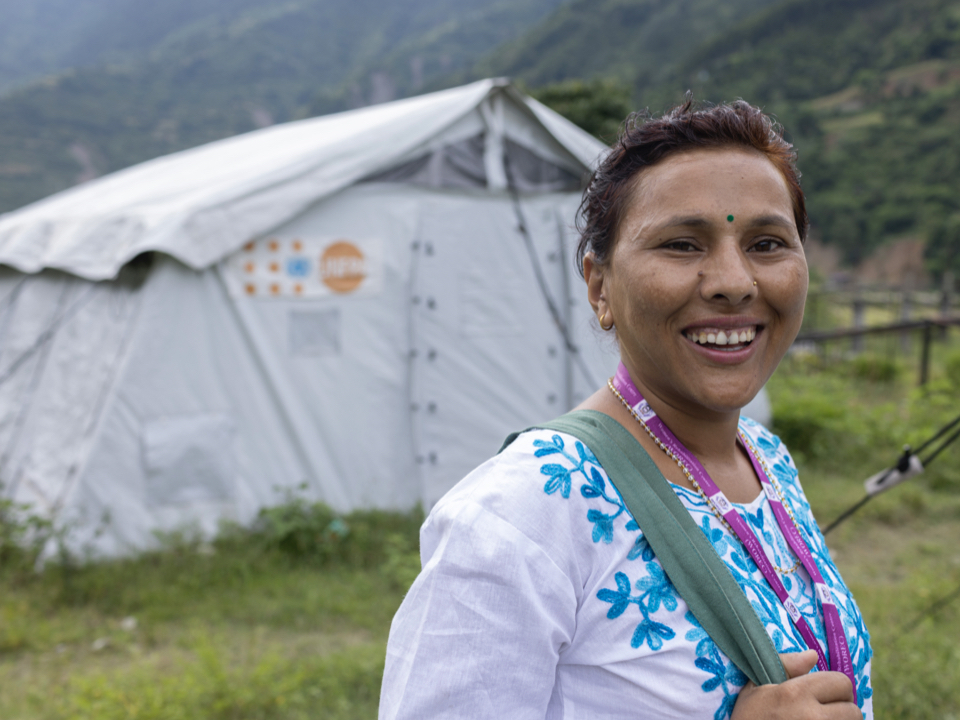 Nepal: A catastrophic earthquake rocked Jajarkot in December 2023. The earthquake left a trail of destruction and profound personal loss. For Bishnu Singh, the disaster was compounded by the immediate loss of her husband, thrusting her into a new reality of grief, isolation, and societal judgment. The aftermath of the earthquake created a pervasive sense of fear and instability, deeply affecting the emotional and psychological well-being of survivors, particularly women who faced unique challenges and stigmas.
“The judgement came not just from strangers, but from people I once knew,” she says. “Because I had lost my husband, I was seen differently. As a widow, I was suddenly someone to pity, to avoid, to talk about behind closed doors. The silence around me grew heavier with each day.”
The earthquake's toll on women like Bishnu extended beyond the immediate physical dangers. Widows faced social stigma, isolation, and a profound sense of invisibility. Many women carried the trauma of the earthquake, some also enduring violence, often in silence. Bishnu, as a community facilitator at a UNFPA-established Women Friendly Space, became a vital link, identifying survivors of gender-based violence, connecting them with confidential support, and providing information on protection services, psychosocial counseling, and legal options.
She also tracked pregnant women, ensuring they had transportation plans and access to health facilities for delivery, saving lives during the emergency. Her personal story of loss and healing inspired other women to open up, finding strength in shared experiences and breaking the silence around their struggles. ©UNFPA Nepal
 |
 |
 |
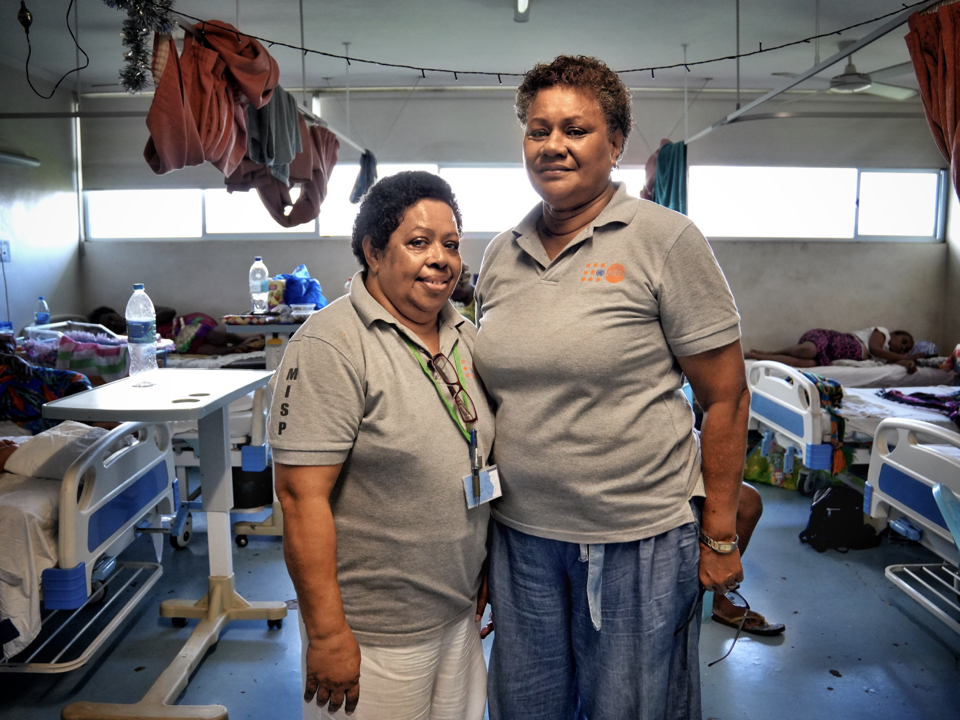
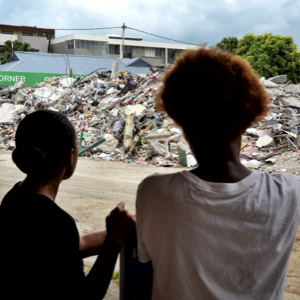
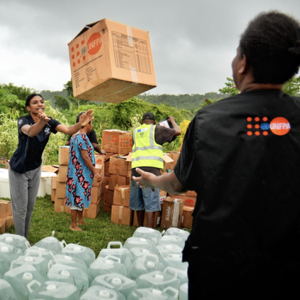
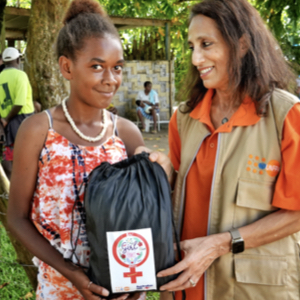
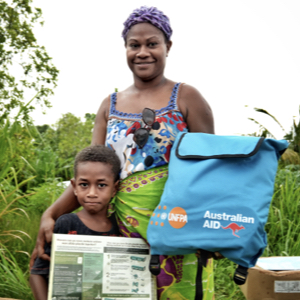
Vanuatu: On December 17, 2024, a powerful 7.4 magnitude earthquake struck the Pacific island nation of Vanuatu, devastating lives and livelihoods. The disaster exacerbated an existing shortage of midwives, creating a critical gap in vital maternal and reproductive healthcare for women and girls. In this urgent situation, UNFPA launched an emergency field mission, recognizing the immediate need for skilled healthcare professionals to ensure safe deliveries and ongoing maternal and newborn care.
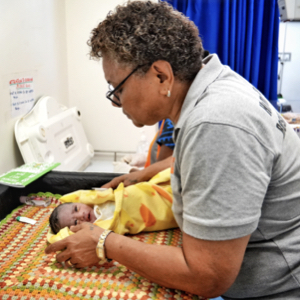
“The earthquake that hit this country in December destroyed lives and livelihoods and we know that in natural disasters women and girls are the most impacted,” Mereani says. “There has been a shortage of midwives in Vanuatu at this time and to address this shortage and ensure safe deliveries and maternal and newborn care UNFPA deployed four midwives from Fiji.”
UNFPA’s humanitarian response moves quickly to protect the health and protection needs of communities in crisis. This includes maintaining a roster of retired Fijian midwives trained for humanitarian response who can be quickly mobilized across the Pacific to reinforce the health workforce and strengthen lifesaving sexual and reproductive health services. UNFPA Pacific's swift deployment of midwives from Fiji, including Mereani, a 58-year-old retired midwife, was critical.
 |
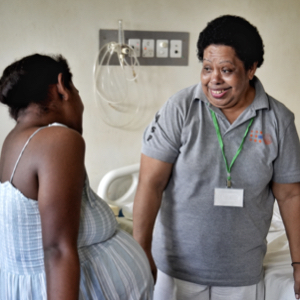 |
Disasters disproportionately affect women and girls, and the Vanuatu earthquake was no exception. The pre-existing shortage of midwives, compounded by the earthquake's impact, threatened the health and safety of pregnant women and new mothers. These midwives provided essential maternal and reproductive healthcare, assisting with deliveries, postnatal clinics, and family planning at Vila Central Hospital. This regional collaboration demonstrated a faster, more targeted humanitarian response, acting as pillars of support and strength on the frontline of the humanitarian effort, ensuring uninterrupted health services for the most vulnerable. ©UNFPA Pacific WATCH THE VIDEO
 |
 |
 |
 |
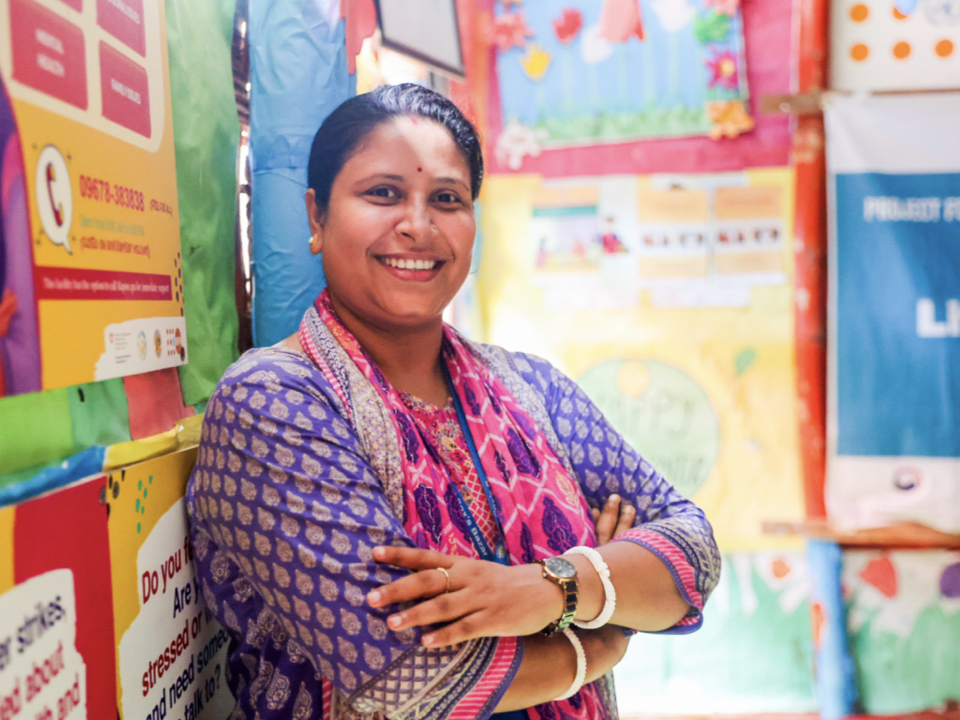
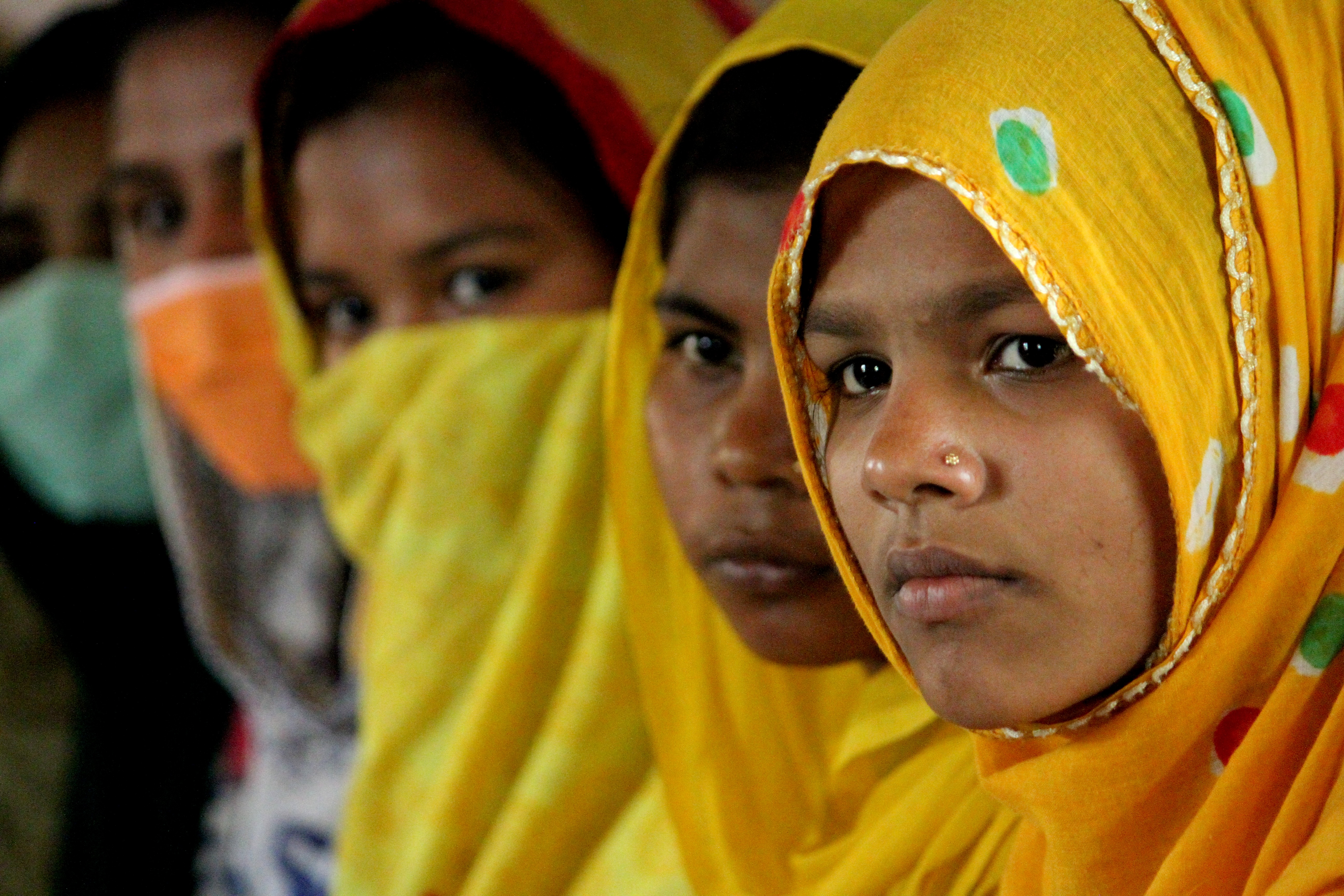
Bangladesh: Muktarani Devi—known to her community as Mukta— is a Community Mobilization Officer at a UNFPA-supported Adolescent and Youth Centre in Cox’s Bazar.
“Every day, I work to make sure girls here know their rights and have the courage to speak up,” she says. Mukta leads Girl Shine sessions three times a week. These safe spaces give girls a rare opportunity to talk openly about their health and dreams, while building practical skills to navigate life’s challenges.
She walks through the camp’s narrow lanes to visit girls who cannot attend sessions, organizes meetings with mothers to address harmful practices like child marriage. As a humanitarian, Mukta’s role is to mentor young peer leaders who carry messages of equality and prevention of violence into their neighbourhoods.
“Many girls here still face deep restrictions—they can’t move freely or make their own decisions,” she says. “That’s why we bring the sessions to their homes, and why we talk to mothers and families. Change must happen in the community, not just in the centre.”
Life in the camps is difficult and dangerous. Families struggle with overcrowded shelters, food shortages, scarce electricity and poor access to water and sanitation. Education is limited and opportunities for young people—especially girls—are rare. Early marriage remains a persistent risk. Through Girl Shine and other UNFPA-supported programmes, implemented with partners, eight youth centres across the camps are offering a different path.
For Mukta, success is measured in personal transformations. “When I see a girl choose learning and attaining life skills over marriage, when I hear her say she wants to build her own future, I know we’re making a difference,” she says. ©UNFPA Bangladesh READ MORE or WATCH THE VIDEO
 |
 |
Learn more
The Regional Prepositioning Initiative
Dignity & Disasters:
Gallery of Humanitarians
UNFPA in Emergencies