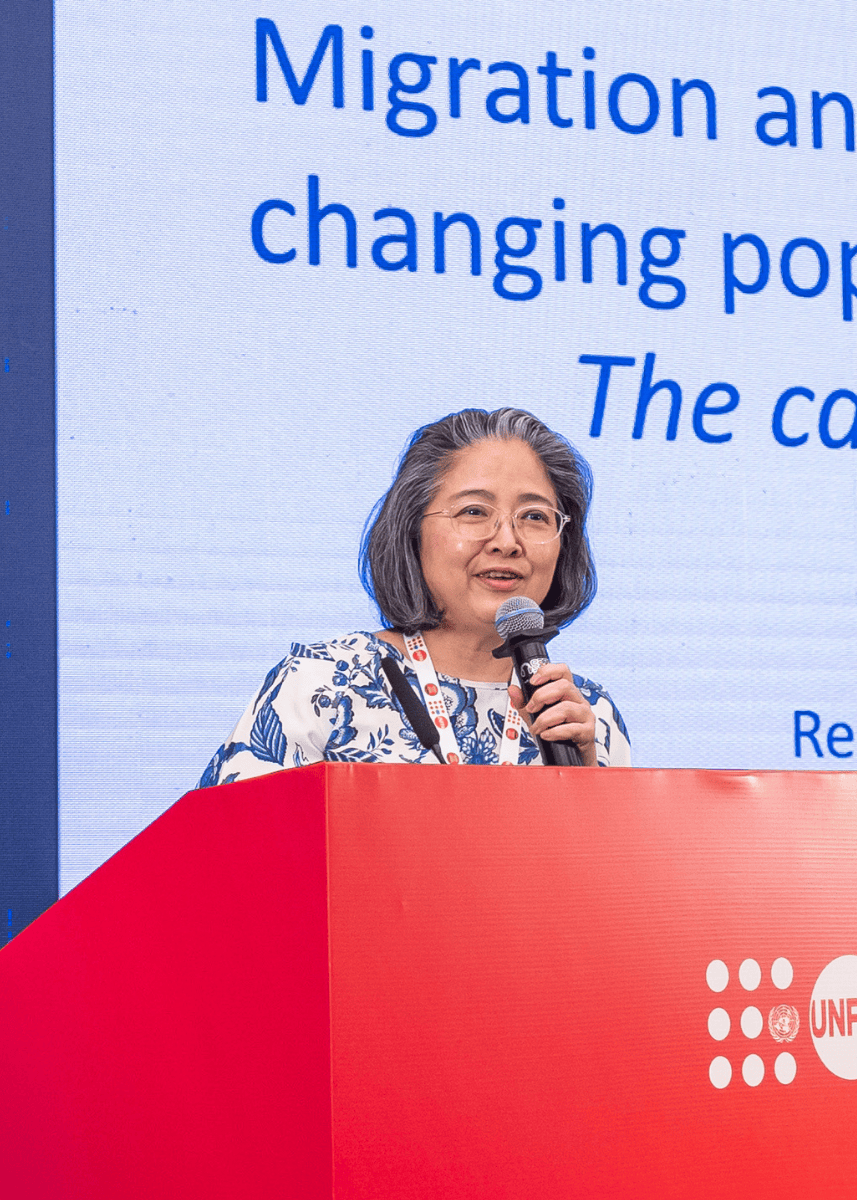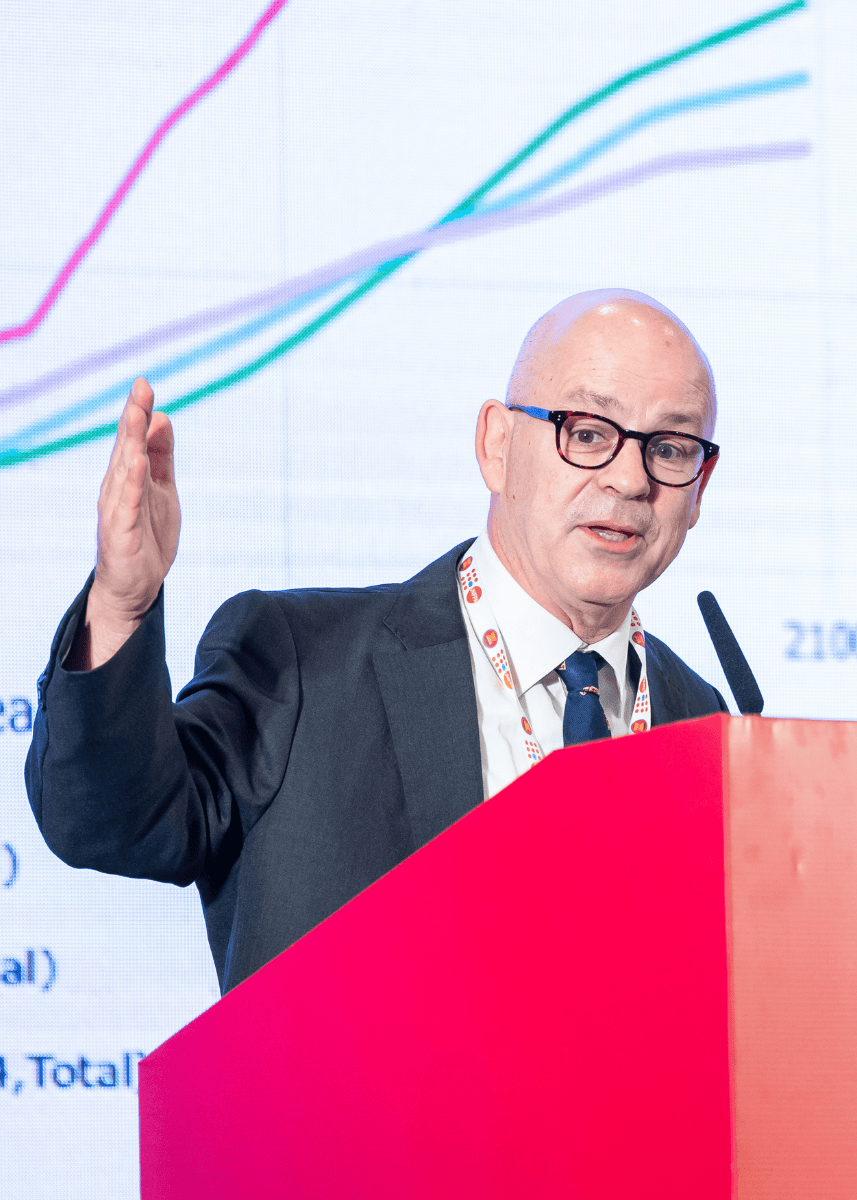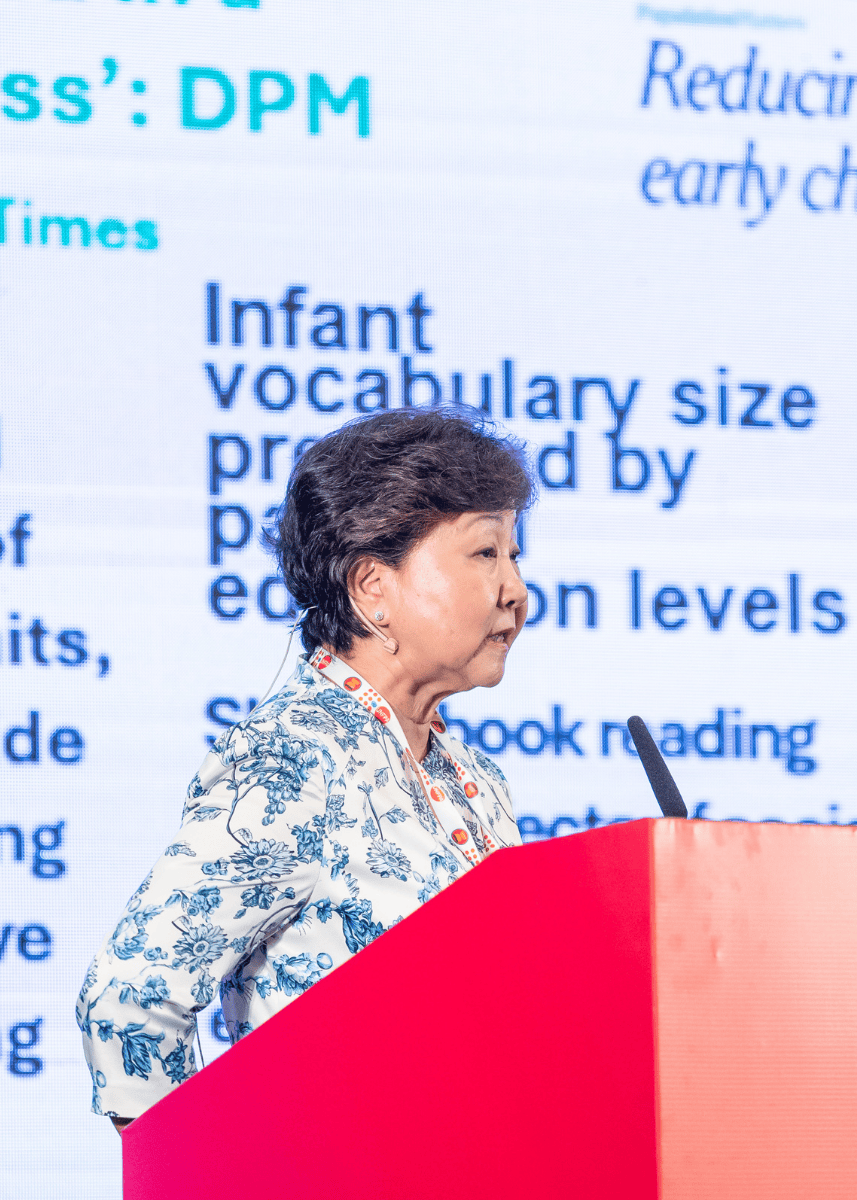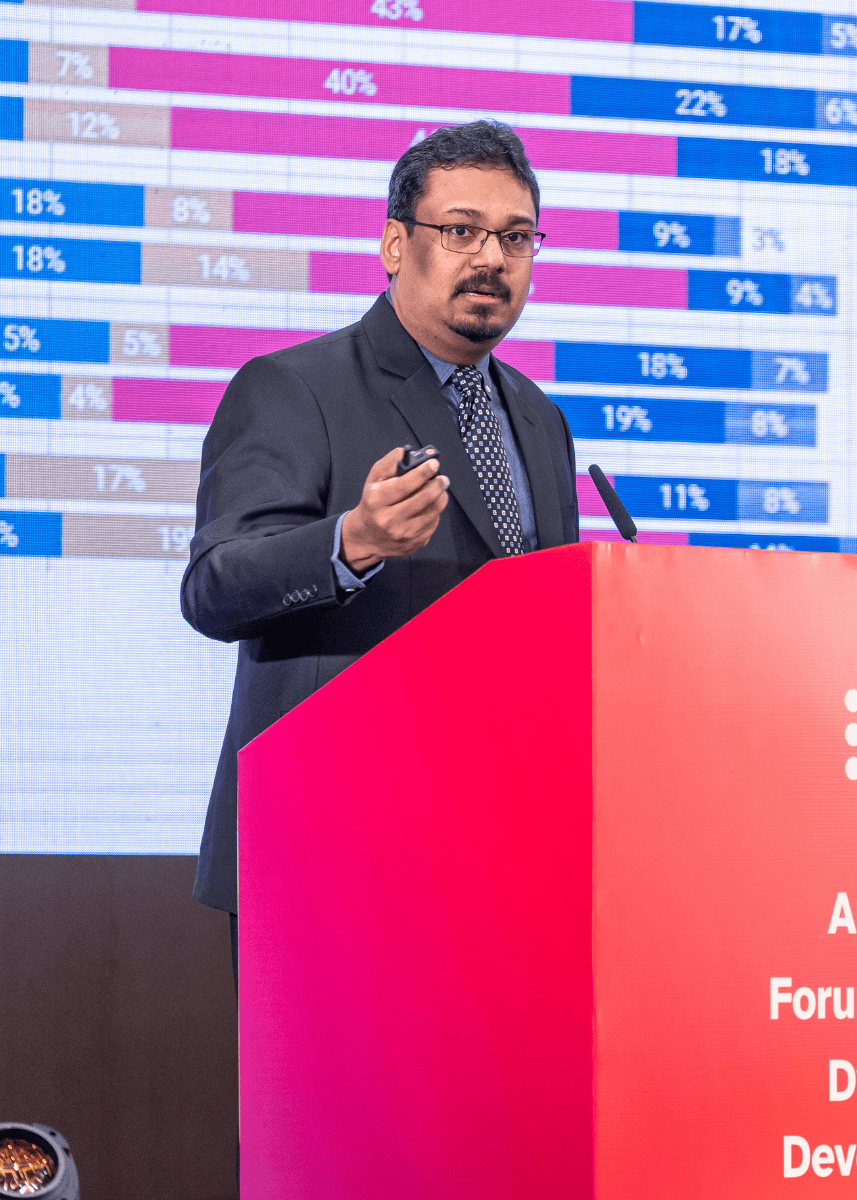


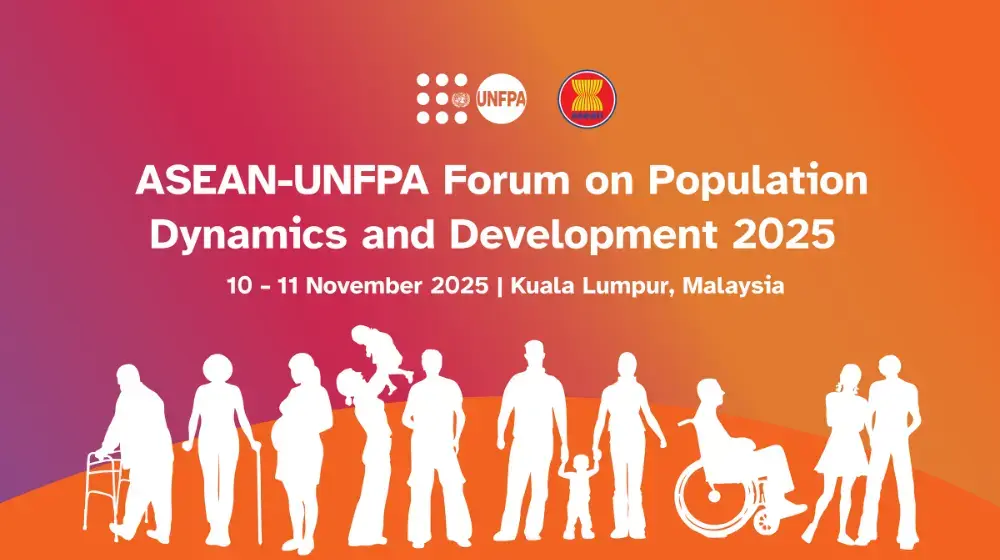
The ASEAN–UNFPA Forum on Population Dynamics and Development was held on 10–11 November 2025 in Kuala Lumpur, Malaysia. The Forum brought together government leaders, policy experts, and regional institutions to examine Southeast Asia’s rapidly changing population trends and their implications for development. Organised jointly by the ASEAN Socio-Cultural Community Department (SOCA) of the ASEAN Secretariat and the UNFPA Asia and the Pacific Regional Office, the forum aimed to exchange comparative insights, explore policy approaches, and strengthen national and regional planning on demographic change.
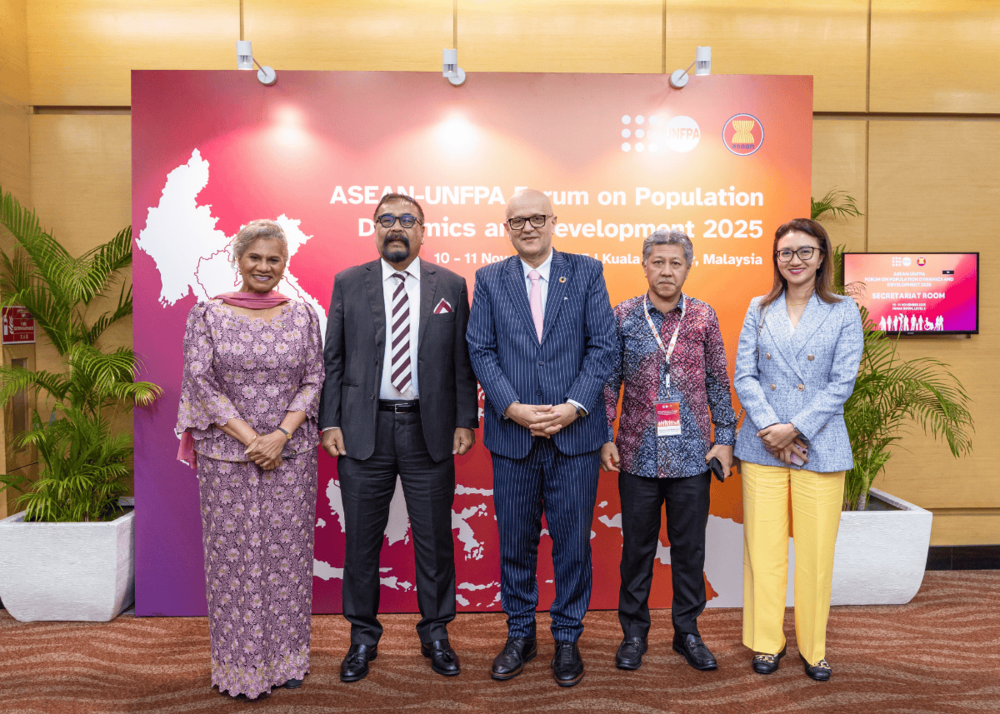 The Forum opened with remarks from senior government officials, H.E. Dr Kao Kim Hourn, Secretary-General of ASEAN; The Honourable Dato’ Shaharuddin bin Abu Sohot, Secretary-General of Malaysia’s Ministry of Tourism, Arts, and Culture and Chair of SOCA; and The Honourable Dato' Dr Ramli bin Dato' Mohd Nor, Deputy Speaker of Malaysia’s House of Representatives.
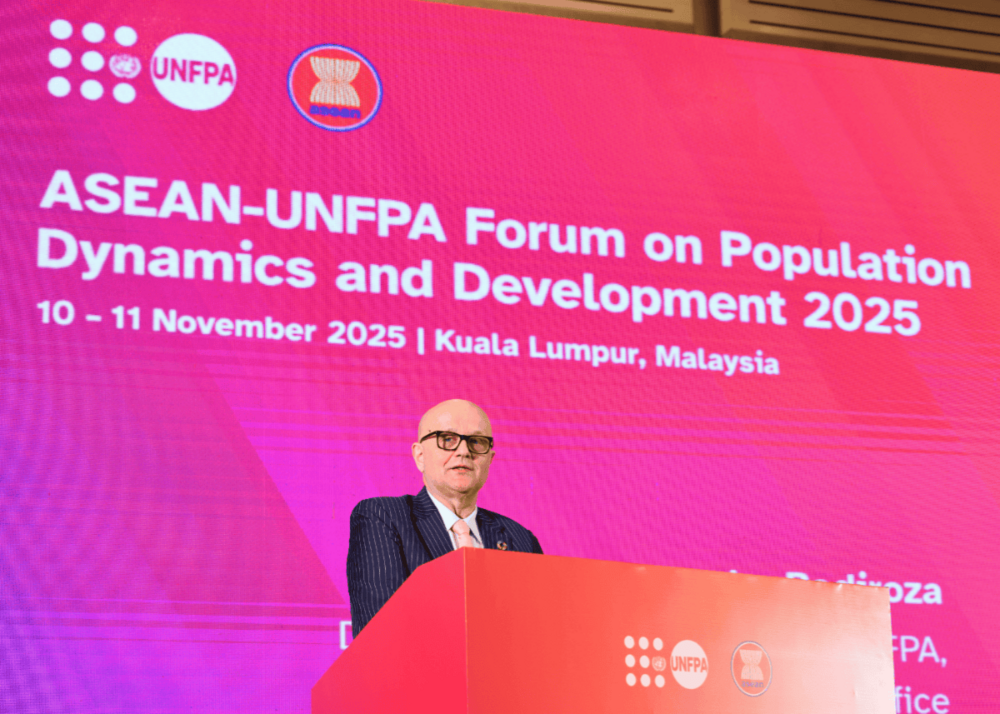
Dr Aleksandar Bodiroza, Deputy Regional Director for UNFPA Asia and the Pacific, delivered the keynote address, highlighting new UNFPA research showing that every dollar invested in the health and education of girls yields nearly ten dollars in return.
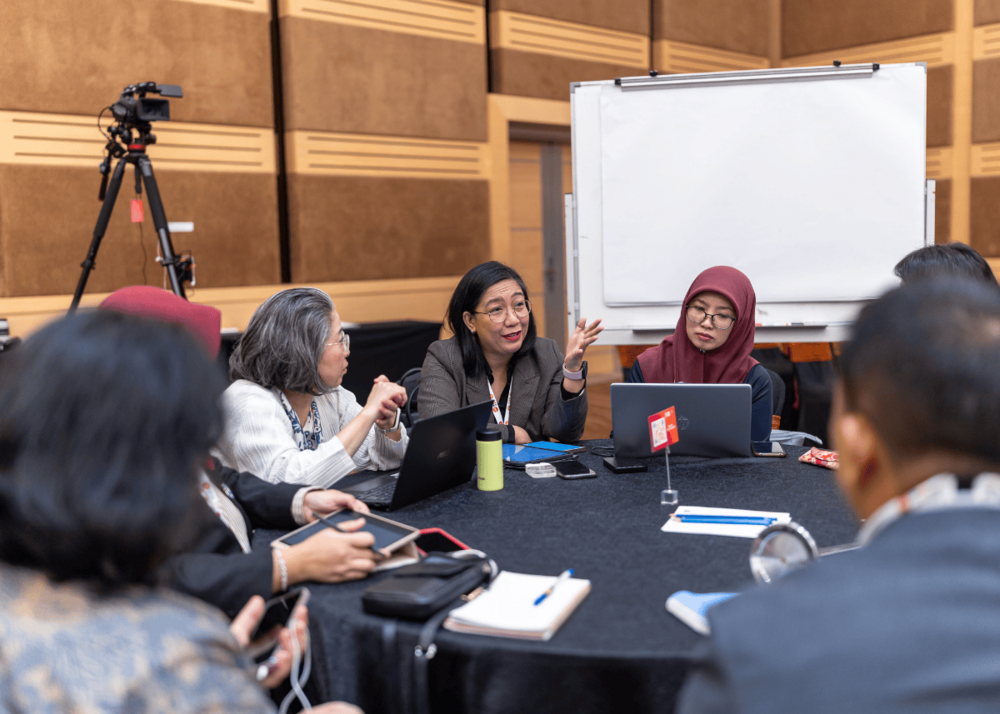
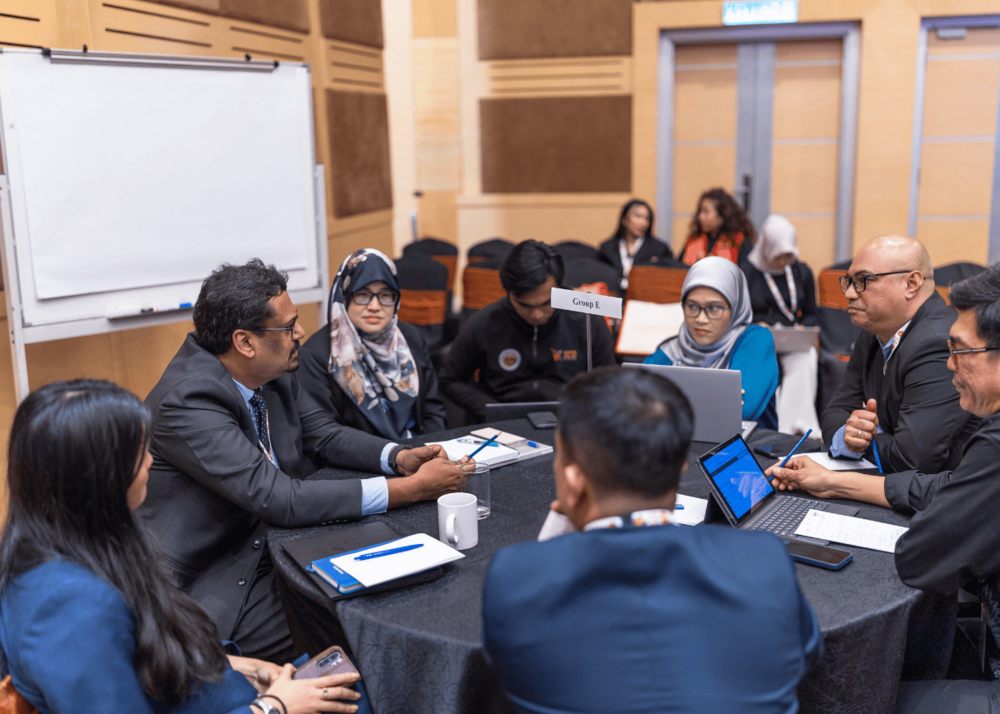
Over two days, participants discussed ageing, youth, fertility, families, and migration, with sessions inviting contributions from all participants on policy priorities within ASEAN member states and reflections on national experiences and current and emerging needs. These discussion groups were designed to be highly participatory, enabling delegates from government, academia, and civil society organisations to also discuss which policy innovations or experiences from other countries could offer practical models or inspiration for accelerating progress on these priority areas.
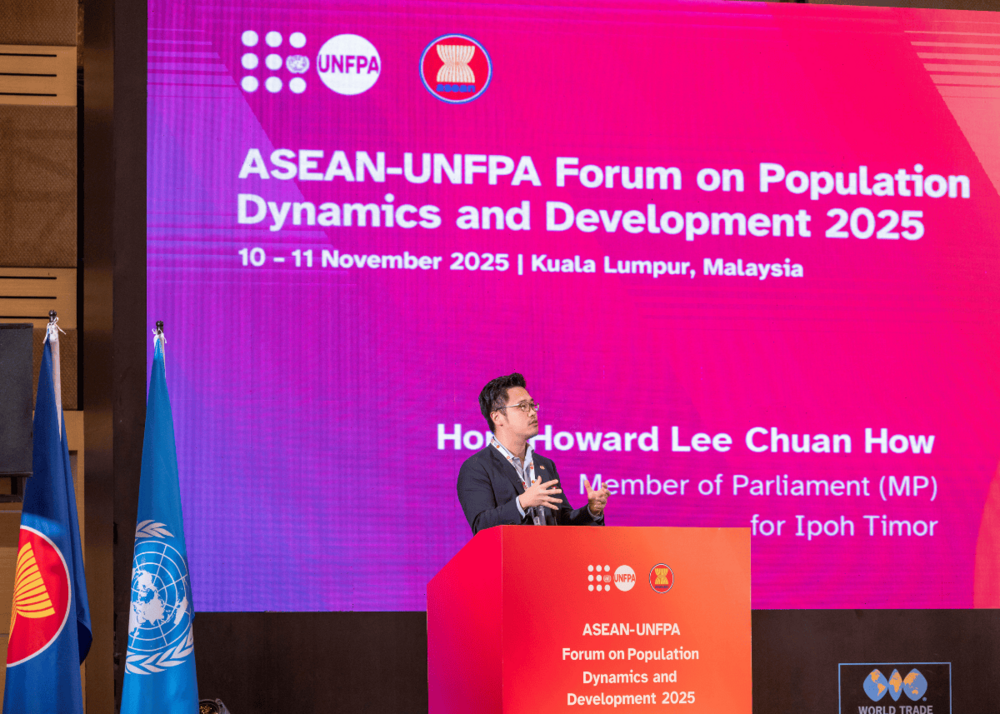
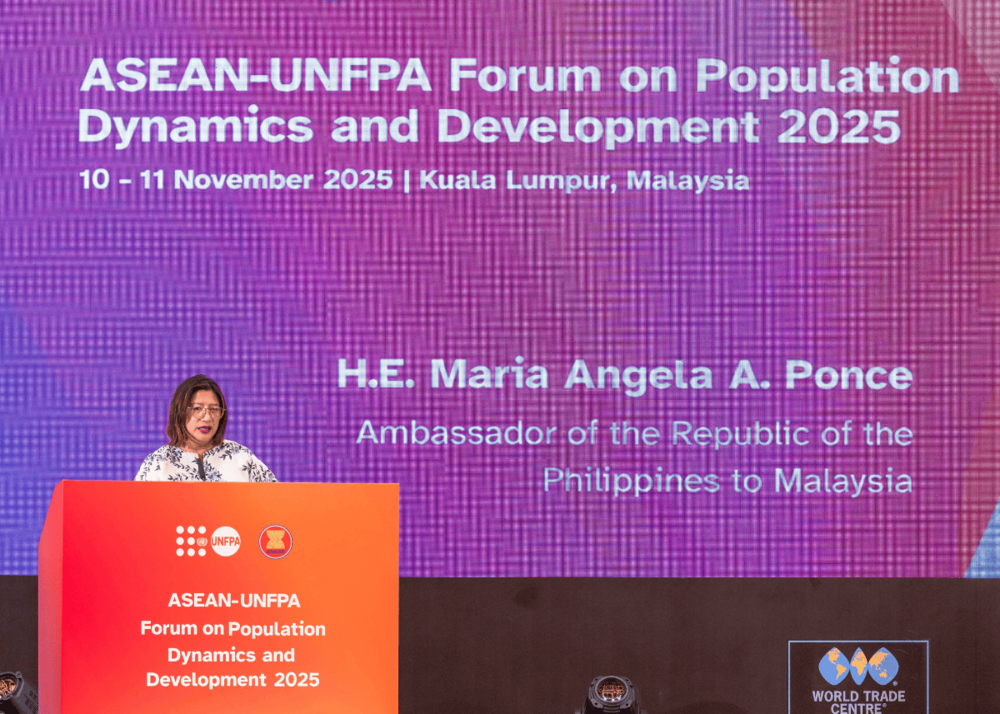
The Forum was also addressed by YB Howard Lee Chuan How, Member of Parliament for Ipoh Timur, Parliament of Malaysia, and Secretary-General of the Asian Forum of Parliamentarians on Population and Development, and H.E. Maria Angela A. Ponce, Ambassador of the Republic of the Philippines to Malaysia.
The Forum affirmed ASEAN’s commitment to rights-based, inclusive strategies for adapting to demographic shifts, and UNFPA’s continued support in strengthening data, policy analysis, and technical capacity across the region.
DOWNLOAD RESOURCES: